



How Jordan Gresham Went From
0 to 12 Weddings Booked in Three Months (While Working a Full-Time Sales Job)
After relocating to Denver, Jordan spent a year paying for workshops and posting on Instagram, but he was still getting only one or two leads a month. Then he started running his photography business the way he runs his day job: build a pipeline and follow up every day.
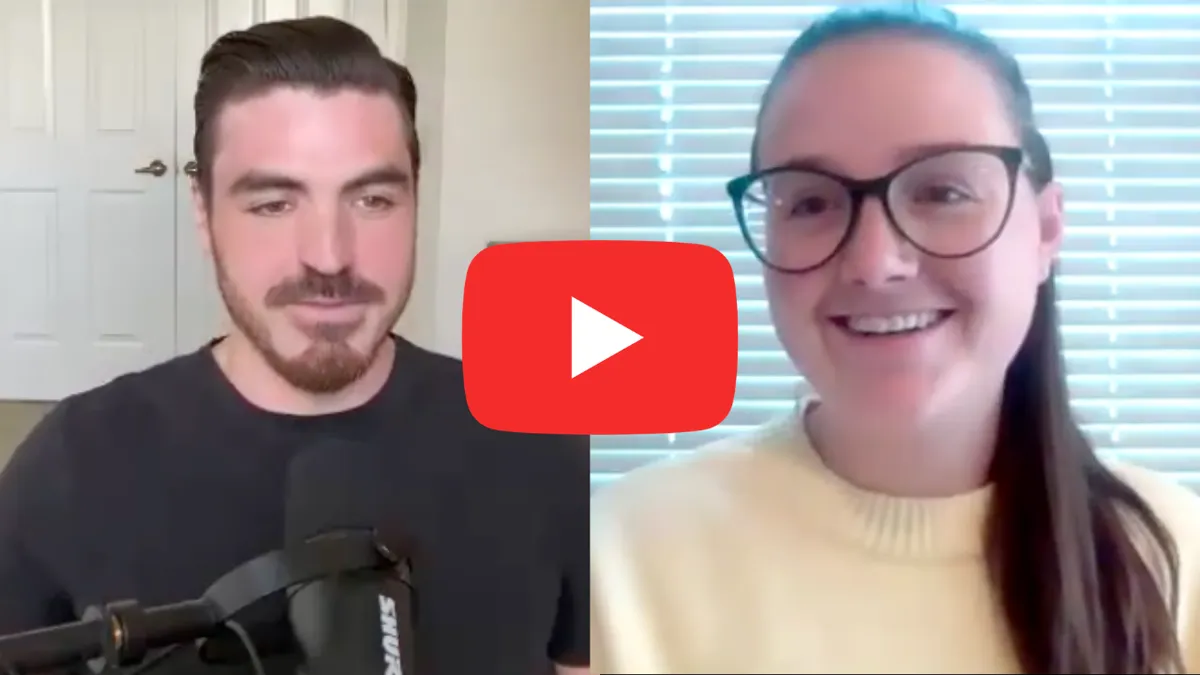
Interview by Peter Byram, Founder of The Icon Agency
Published Date: September 29, 2026

Interview by Peter Byram
Founder, The Icon Agency

Jordan's Background and Building a Referral Business in St. Louis (00:00)
Peter: All right, what's going on, everyone? Peter here, and I'm back today with another incredible client. We're joined by Jordan Gresham of JKG Photography. Jordan has an awesome story, and he's an incredible photographer. We're going to get into all of that. But Jordan, before we do, kick us off with a little intro. How long have you been in the industry?
Jordan: My name is Jordan, and I'm based in Denver, Colorado. I've been in the industry for about four to five years now. Before I got into weddings, I started as a hobbyist, finding joy in photography like most people do. Like a lot of people, I was hustling and shooting everything from family photos to engagement photos, really just trying to find my niche. It wasn't until 2019 that I was asked to shoot my first wedding. After that, I did some second shooting, and then I launched my business in 2020, the best year to start.
Honestly, I saw it as a learning experience, because I was matched with a mentor in the industry who was at a much higher tier than me. She was the one who taught me how to approach and run a business. She would send me referrals, brides she wasn't a good fit for, and I would end up booking them. By 2021, I had a full stack of weddings, mostly from referrals. That's how I got most of my business when I was in St. Louis.
The Real Problem: No Lead Generation After Moving to Denver (02:29)
Peter: So you relocated to Denver in 2022, when COVID was sort of dying off. What was going on in the business when you moved?
Jordan: Business was really slow. I was still going back to St. Louis for weddings, but I only had maybe four or five booked there, because I knew I was moving and didn't want to take on too much. I was anxious and excited to get into the Colorado market, but I really didn't know how. I'd met a few wedding friends, like John Mueller, who's been on here, but beyond that, I was trying to figure out how to get in front of people. I thought posting on Instagram and using hashtags could work, but I slowly learned there's more to it than posting all the time and relying on hashtags.
Peter: I usually say Instagram isn't a great lead generation tool. It's a great lead nurture tool. When people use it for lead generation, they tend to run into the same problem: they get frustrated because they're posting all the time without seeing results. Wedding photography is such a niche service that you're unlikely to attract the exact type of person you want to work with through organic content. Instagram is really a pay-to-play platform.
Jordan: That's exactly what I experienced. Every so often a bride would find me through a hashtag, but it wasn't consistent, maybe once every few months. That wasn't getting me anywhere.
Walking Away from Workshops That Offered Education but No Leads (06:14)
Peter: Why did you finally decide to pull the trigger and sign up? You knew John, which is awesome, but you were on the fence. I think you and I talked about a year earlier, and it just wasn't the right time. What was going on when you decided, "I have to do this now"?
Jordan: In 2023, I invested in several workshops and courses, and I wasn't seeing the ROI. I'd go to a workshop geared toward the luxury space that taught you how to enter the luxury market and get luxury clients. It was a lot of good information, but I had no one to apply it to, because I wasn't getting the leads I needed. After my last workshop, which I paid for in January 2024, I left with a sour taste in my mouth. I felt like I was throwing money away and still not getting enough leads to book jobs.
John had told me a lot about the program and said it's a place where you get a lot of leads. In sales, that's how you find success. You need a healthy pipeline, a large number of leads to talk to, because your average close rate might be 30% or even less. I was getting one or two leads a month, and I wasn't closing those. That wasn't enough to build a good talk track or work out the kinks through trial and error, the way you do in a normal sales cycle. So I decided to give this a shot. If it didn't work, photography would always be part of me, but I'd stop investing in courses and workshops, maybe stop marketing altogether, keep my website up, and pivot to something else.
Applying 7 Years of B2B Sales Experience to Wedding Photography (10:09)
Peter: You also have an interesting background. When we started working together, you were working a sales job for a tech company, and I believe you still are.
Jordan: I have seven years of sales experience, and I'm currently an account executive. My job is to take a deal through the full sales process, from discovery to close, and then make sure my client is happy. It lines up with my photography business, but honestly, I wasn't thinking of it that way until I joined your program.
Peter: And you're selling high-ticket deals in that job, right?
Jordan: I'm on the senior account executive team, so I sell to everything from mid-market companies up to enterprise level.
Peter: So these could be $50,000 deals, give or take?
Jordan: Way more than that. My threshold starts at a million and goes up to $50 million, sometimes higher.
The Result: From 0 to 12 Weddings Booked in Months (13:56)
Peter: Let's cut to the chase. What have the results been over the last few months?
Jordan: I pulled the trigger, and the timing was a little weird because I was about to go on vacation. After I came back, the beginning was some trial and error. I was finding my voice and figuring out how to make the system work for me. By the end of month one and into month two, I found my mojo and thought, "Okay, I can do this now." The first month, I booked four weddings. The next month it was four, and the month after that it was four again. I thought, "Wow, this is consistent now."
I'm talking to a lot of brides, and I can tweak my messaging if something isn't working. Going back to sales, that's the biggest thing. You can be given a script or the tools, but in sales you constantly have to tweak and figure out what works, and what works today won't necessarily keep working down the road. You have to keep refining. That's been really powerful, because I keep getting better now that I'm talking to so many brides and have a good system in place.
Peter: So when we started, how many weddings did you have booked for 2025?
Jordan: I don't think I had any.
Peter: And now you have 12?
Jordan: Yes.
Nurturing Leads Who Aren't Ready Yet, Using Seasonal Urgency (19:59)
Jordan: Some brides aren't ready to book today. Maybe they got engaged four days ago and they're suddenly in front of me. That's sales too. You nurture them by sending more information, like a view book or something that tells them more about me. Going back to my sales roots, we take advantage of the seasons. Fall is huge for engagement photos right now, so I'll say, "It doesn't sound like you're quite ready yet, but do you want to get engagement photos this fall, or wait an entire year?" And they say, "Actually, yes, I do want photos now." So asking a few questions creates another source of income, which may eventually lead to a full wedding booking.
Peter: That's massive. People listening, take note, especially clients who are actively generating leads. Use what's happening right now to get clients. There's always a reason for people to act now. Think about all the holiday promotions car companies run, or how Apple leverages back-to-school. If you ask yourself what advantage your couple gets from booking now, you can really capitalize on that.
Peter: For the photographer who's getting leads but struggling because those couples don't always have a date, a venue, or a budget figured out, how do you handle that?
Jordan: Build a relationship with them. While they're finding a venue and a date, you can be a good resource. You can create resources to send them, like, "I know this venue. I've shot there. If you're touring it, here's a gallery you can look through." If you keep building those relationships, they'll think of you when they're finally ready to buy. The same thing happens in my sales career. I had a business that wasn't a good fit last year, and suddenly I got an email saying, "We're ready to move forward." I'd done all the work a year earlier, and now they were finally ready. So put in the work now, build the relationship, and follow up.
Peter: How do you do that tactically? Do you manage leads in a CRM, set reminders, schedule time for it?
Jordan: A CRM for sure. I keep going back through my CRM for brides who haven't responded in a few days. For brides who told me they're getting married in 2026, I keep a separate list, and I follow up every couple of weeks to see where they're at, whether they want engagement photos or just need more support and advice. I want to be an advocate for them and help however I can.
Reframing Sales as Listening, Not Pitching (23:51)
Peter: What do you say to the creative who says, "I don't want to sell. I just don't like sales"?
Jordan: Sales is everywhere in your life, whether you like it or not. At the end of the day, we're business owners, and we need to generate income to survive. But something I learned in my sales career is to think of yourself as a consultant, because we really are. Your job is to educate the prospect and see whether it's a good fit. Listen to what they're looking for and what their needs are. All we're doing is trying to solve a problem, whether that's photo or video for their wedding or whatever you're selling.
Then go deeper so you can pick up on the important details during the call. The biggest part is listening. When a bride says, "I don't want to feel stressed out," or "I have a big family," your job is to say, "Okay, my job is to make sure your day is stress-free, and here's how I do that." You're not doing a hard sell of "Here are my packages, here are my services." Just listen to them, stop talking, and figure out whether you're a good fit. Throughout this program, I've told several brides, "I don't think we'd be a good fit, but I still want to help you in some way."
Peter: When you honestly take the approach of trying to find a fit rather than trying to close someone or get them to do something, it takes so much pressure off. It's a skill you have to practice, which you might not expect, but that's what I've seen. And when you don't pitch everyone or assume you're the right fit for everyone, you're in integrity. So when you do make an offer, it's genuine, and your words carry more weight because you don't say them to everyone. The active listening piece is massive too. Everyone has this cartoonish image of sales in their mind, when really it's about relationships and listening.
Jordan: And if you can help someone, you just say, "I think I can help you." People see the value in you, and that makes it easier to get them to book. Yesterday, for example, I talked to a bride from the program, and we had a really good conversation. When it came to budget, I was a little over what she'd planned, but she said, "You know what? I think we can stretch to it." We have a follow-up call next week, and I feel really good that she'll choose me as her photographer.
Why "You're Worth It" Pricing Advice Misses the Market Reality (31:37)
Jordan: I'll be transparent: I was the artist who thinks, "If I build it, they will come," but that's because so many people were telling me that. They'd say, "Your work is so beautiful. How are you not getting leads? You should be charging more." I fell for all of it. I thought, "You're right. I have a great website and a great portfolio. I'm worth it." But then it was crickets.
Your program helped me see that I need to run a business. I know I'm a good artist, but if I want to make a living from this, I need to follow some simple practices, like following up, sending people resources, or posting helpful information on social media and pointing people to it. For example, "I just posted something educational on Instagram, go check it out," or "I have a blog post on the top five venues, here it is." I wasn't doing any of that. I was stuck in a world where everyone gives you fluff: "You're worth it, charge more." Now I realize I have to put in the effort. I can't just sit here and expect people to come to me.
Peter: Where do you think that mindset comes from? "You're worth it, raise your prices, you should be charging three times as much," when you're not even booking at your current price?
Jordan: I still go to networking events, and I heard it at the last one. Someone told a planner, "Bookings are slow. Should I change my pricing?" And the planner said, "I think you're worth it. Stick to your pricing. Go for it, girl." At the end of the day, we have to put food on the table, and if we want a good life where we're not thinking about work all the time, we have to make money somehow. I think it's an industry thing where everyone repeats the same advice, and it's a loop we all need to get out of.
Now that I've been booking weddings at a certain price point, I'm testing whether I can raise it by 10%. If it doesn't work, I can go back. That approach has really helped me, instead of jumping to a big number.
Peter: "You're worth it" is a nice sentiment, and of course you're intrinsically worth it as a human being. But there's another variable, which is the market, and people in our space don't think about it. Imagine Apple saying, "We sell iPhones for $1,000, but we're worth it, so we're charging $10,000." The market might say, "We don't want to pay that," and suddenly the $1,000 Samsung looks pretty good. If you're charging $6,000 to $10,000 and Susie down the street is 24, grateful to shoot anything, really good at what she does, and charging $4,000, the market is going to weigh the two. You can say, "I don't care, I'm worth it," but that's like being mad at the rain. You're still going to get wet.
That doesn't mean you can't charge those prices. I want everyone to hear that. It just means you have to consider all the variables, including the market itself. And I agree with being strategic about price increases. If you're closing one out of three consultations, does that conversion rate hold after a 10% increase? Be scientific about it instead of doing what sounds good.
Balancing a Full-Time Sales Job with Building the Business (39:15)
Peter: So what's next for you? Are you going to quit your job?
Jordan: It's definitely coming. I want to book more, of course. Right now, I'm finally getting some support and hiring a virtual assistant, because so many leads are coming through and I'm still working my sales job, so it's been a lot to balance. That extra support will give me some time back. I feel confident that within the next three months, I'll be saying goodbye to my sales career and doing this full throttle.
Peter: That's the dream for so many photographers and videographers I talk to. And we haven't even touched on the fact that you've done this while working a full-time job.
Jordan: Yes, and then some. There have been lots of long nights. Sometimes you have to put in the work if you're really hungry and want to take the next step in your life. In the beginning, I was looking for shortcuts. I didn't want to be doing all this. Now my mindset is, "This is my goal, and to reach it, I have to make some sacrifices, but it won't be forever." You might be in a season of grinding for four or six months, and you'll be a little more tired. Is that worth it to be your own boss for the rest of your life? Having that light at the end of the tunnel is what helps me push through.
Peter: What hours are you working at your job right now?
Jordan: Typically 7:30 to 4:30, but some days are longer.
Peter: So how do you fit in messaging brides?
Jordan: I keep my personal laptop open right next to me and message throughout the day. Then I do consults in the evenings. I tell couples, "I'm free in the evenings. Let's talk on a call."
His Advice for Photographers on the Fence (44:14)
Peter: What would you say has been the most transformative thing since working with us?
Jordan: Being able to talk to so many brides, and being able to keep learning through trial and error in an iterative process.
Peter: Now, say someone watching is on the fence. They've been watching these interviews for a while and they're thinking about doing this, but they've spent money on other things before. What would you say to them?
Jordan: Just do it. But also figure out what you can control. A lot of people have had hardships because of the presidential election or the economy, but ask yourself, "What can I do today? What can I control today?" This program showed me that getting in front of people through marketing is something I can control. Everyone is still on Instagram and Facebook. So figure out what you can control and what you can do to get to the next step toward your goal.
My last piece of advice is not to fall into the negative thought loop we all go through. There's a new idea going around the wedding industry that fewer people are getting married, and that's a big concern for people. But it doesn't feel that way to me, because I'm getting lead after lead after lead.
12
weddings booked in about three months
0
weddings booked for 2025 when he joined
4
weddings booked every month, three months in a row
1-2
leads a month before joining
Jordan Gresham is a wedding photographer based in Denver, Colorado. He launched JKG Photography in St. Louis in 2020 and quickly filled his calendar with referrals from a mentor.
When he moved to Colorado in 2022, those referrals stopped. He posted on Instagram, used hashtags, and spent money on workshops, but he was still getting only one or two leads a month, and he wasn't booking them.
Tried workshops and Instagram, and still waiting on leads?
We run the ads and teach you the booking process Jordan used, so you always have couples to talk to, even with a full-time job.
When he joined The Icon Agency in 2024, he had no weddings booked for 2025. He booked four weddings in his first month, four in his second and four in his third, for a total of 12. He did all of it while working full time as a senior account executive at a tech company, messaging brides throughout his workday and taking consultation calls in the evenings.
In this interview, Jordan explains what seven years in tech sales taught him about booking weddings, how he follows up with couples who aren't ready yet, and why he raises his prices 10% at a time.
In this story
Starting over in a new market
Workshops without the leads
From zero to 12 weddings
How Jordan books couples, tech sales style
From artist to business owner
Jordan's advice for other photographers
Key Takeaways
Frequently Asked Questions
Starting over in a new market
Jordan started out like a lot of photographers, as a hobbyist shooting family and engagement photos. He shot his first wedding in 2019 and launched his business in 2020. In St. Louis, a more established photographer took him under her wing. She taught him how to run a business and sent him the brides she couldn't take on. By 2021, his calendar was full, almost entirely from referrals.
In 2022, he moved to Denver for the mountains and a change of pace. Without his referral source, business slowed down fast. He tried to grow on Instagram with regular posts and hashtags.

"There'd be maybe a bride here and there that found me through a hashtag, but it was not consistent. Maybe once every few months." — Jordan Gresham, JKG Photography
Peter hears this a lot. Instagram is a great way to nurture leads, but it's a poor way to generate them. Weddings are a niche service, and organic content rarely reaches the couples you want to book.
Workshop without leads
Jordan spent 2023 and early 2024 investing in workshops and courses, including one focused on breaking into the luxury market. The information was good. The problem was that he didn't have enough couples to use it on.
When he asked one instructor how to get his name out there, the answer was grassroots networking. Networking is valuable, Jordan says, but it's a long game. The work you put in today may not pay off for 12 to 18 months.
"After my last workshop in January, I just left with a sour taste in my mouth. I was throwing money away, and I still wasn't getting the leads I needed to book jobs." — Jordan Gresham
A friend and fellow photographer who was already an Icon Agency client kept telling him about the program. Jordan had talked with Peter about a year earlier, but the timing hadn't been right. This time he decided to give it one more shot. If it didn't work, he would stop investing in marketing altogether.
From 0 to 12 weddings
Jordan signed up just before a vacation. The first few weeks were trial and error while he found his voice and learned the system. By the end of his first month, it clicked.
"First month I booked four weddings, then the next it was four, and the next it was four, and I'm like, wow, this is consistent now." — Jordan Gresham
Here's where things stood about three months in:
12 weddings booked, up from zero for 2025
Four weddings booked every month, three months in a row
A steady flow of leads, up from one or two a month
New engagement-session bookings from couples who weren't ready to book a wedding yet
His prices already going up, 10% at a time
A virtual assistant being hired to help with leads
Plans to leave his tech sales job within three months
He also had momentum heading into engagement season, which runs roughly from October through Valentine's Day.
How Jordan books couples, tech sales style
Jordan sells software deals worth $1 million to $50 million in his day job. He doesn't fit the pushy salesman stereotype, and he doesn't try to. He treats every call like a consultation. Here's his process:
Build a pipeline first. In tech sales, even a good close rate is around 30%. With only one or two leads a month, Jordan never had enough conversations to learn what worked. More leads meant more chances to practice and improve.
Listen more than you talk. If a bride says she doesn't want to feel stressed or that she has a big family, he explains how he'll handle it on the day.
Tell couples when you're not the right fit. Jordan has told several brides they wouldn't be a good match and still found a way to help them. That honesty makes his recommendation carry more weight when he does think he's the right photographer.
Be a resource for couples who are still planning. Many couples from ads haven't picked a venue or date yet. He sends them galleries from venues they're touring, his view book, or his blog post on the top five venues.
Offer engagement photos now. When a couple isn't ready to book a wedding, he asks if they'd like engagement photos this fall instead of waiting a year. Many say yes, and some of those sessions turn into wedding bookings.
Follow up every day, in a CRM. He goes through his CRM daily, keeps a separate list for 2026 couples, and checks in every couple of weeks.
"Sales is in your life everywhere, regardless of whether you like it or not. Think of yourself as a consultant. Your job is to educate and see if it's a good fit." — Jordan Gresham
Tried workshops and Instagram, and still waiting on leads?
We run the ads and teach you the booking process Jordan used, so you always have couples to talk to, even with a full-time job.
From artist to business owner
Jordan admits he used to be the kind of photographer who believes great work speaks for itself. People kept telling him his portfolio was beautiful and he should charge more.
"I was that artist. People were like, 'Your work is so beautiful, how are you not getting leads? You should be charging X amount.' And I fell for all of it. But then it was crickets." — Jordan Gresham
He still hears the same advice at networking events: "You're worth it. Don't lower your prices." Peter calls it an echo chamber. Your value as a person isn't the same as what the market will pay. The couples who pay top prices and the best venues come with time and reputation. You can't skip straight to them.
Jordan now raises his prices by 10% at a time and watches whether his close rate holds. If it doesn't, he can go back.
He's been doing all of this around a full-time job. He works 7:30 to 4:30, keeps his personal laptop open next to his work computer to message brides during the day, and takes consultation calls in the evening. He recorded this interview on his lunch break.
"It's a season of life. You might be grinding for four or six months and a little more tired. Is that worth it to then have the rest of your life to be your own boss?" — Jordan Gresham
Jordan's advice for other photographers
If you're on the fence: "Just do it." Then focus on what you can control. You can't control the economy or an election, but you can control how many couples see your work.
If you've heard "fewer people are getting married": Don't get stuck in that negative loop. "It doesn't feel like it for me. I'm getting lead after lead after lead."
If you're grinding around another job: Find your "why" and remind yourself of it every day. For Jordan, it's the goal of being his own boss.
If you're already a client: "Put in the work, and you can do it." It's taken a lot of long nights, but he says he's happier and more successful than he ever expected.
Key Takeaways
Workshops and courses can't help much if you don't have couples to talk to.
Instagram is better for nurturing leads than for generating them.
Treat sales calls like consultations: listen, solve the couple's problem, and be honest when you're not a fit.
Couples who aren't ready yet can still book engagement sessions.
Raise prices in small steps and keep an eye on your close rate.
Frequently Asked Questions:
How do you sell wedding photography without feeling salesy?
Treat the consultation like a conversation, not a pitch. Jordan listens for what the couple is worried about, like stress or a big family, and explains how he'll handle it. He's also willing to tell couples when he isn't the right fit, which makes his offers more genuine.
Are wedding photography workshops worth it?
They can be, if you already have enough couples to apply what you learn. Jordan spent years on workshops and courses, but with only one or two leads a month, he couldn't put the information to use. Once he had a steady flow of leads, his sales skills improved quickly.
How do you get wedding clients after moving to a new city?
Referrals usually don't follow you to a new market, and organic Instagram posts are slow to bring in couples. Jordan used paid ads to reach engaged couples in Denver and booked 12 weddings in about three months.
Can you run a wedding photography business while working a full-time job?
Jordan does. He messages leads throughout the workday, schedules consultations in the evenings, and is hiring a virtual assistant to help with lead volume as he prepares to go full-time.
What should you do with wedding leads who don't have a venue or date yet?
Stay in touch and be useful. Send galleries from venues they're considering, follow up every couple of weeks through your CRM, and offer an engagement session if they want photos before they're ready to book the wedding.
How much should wedding photographers raise their prices?
Jordan raises his prices about 10% at a time and watches whether his close rate holds. If it does, he keeps the new price. If bookings drop too much, he can adjust.
More Client Stories

"$55K in Wedding Sales in 3 Months"
"We've booked more weddings in three months than I have all year."
Katrina Kubicina
The Kubicinas
"From full-time teacher to $500k/year in 1.5 years"
“I went from struggling to fill my calendar… to being fully booked for 2025, making over $500K in wedding revenue—with systems that keep growing.”
Sara Haines
Sara Haines Photography
"$75K in 4 Months While Working As A Full-Time Mom With 3 Kids"
“I went from only 2 bookings for next year to being fully booked within a month—and finally have the stability I was missing for years.”

Danielle Don
Abbey Raine Photography
Trusted by 400+ more successful wedding photographers


Step Into the Future of Bookings
Join hundreds of wedding photographers using Icon to attract premium couples and fill their calendars with high-paying clients—months in advance.

© 2026 The Icon Agency
Ready to scale your wedding photography business?
Book a call with our team or start with the free training to see how we can help you fill your calendar with high-paying clients.