



How Julian Built a $150K Wedding Photography Team With Just 300 Instagram Followers
Julian lost his brand name in a business split, rebuilt through the worst years the wedding industry has seen, and now runs a 10-person photo and video team in Oregon. He has fewer than 300 Instagram followers.
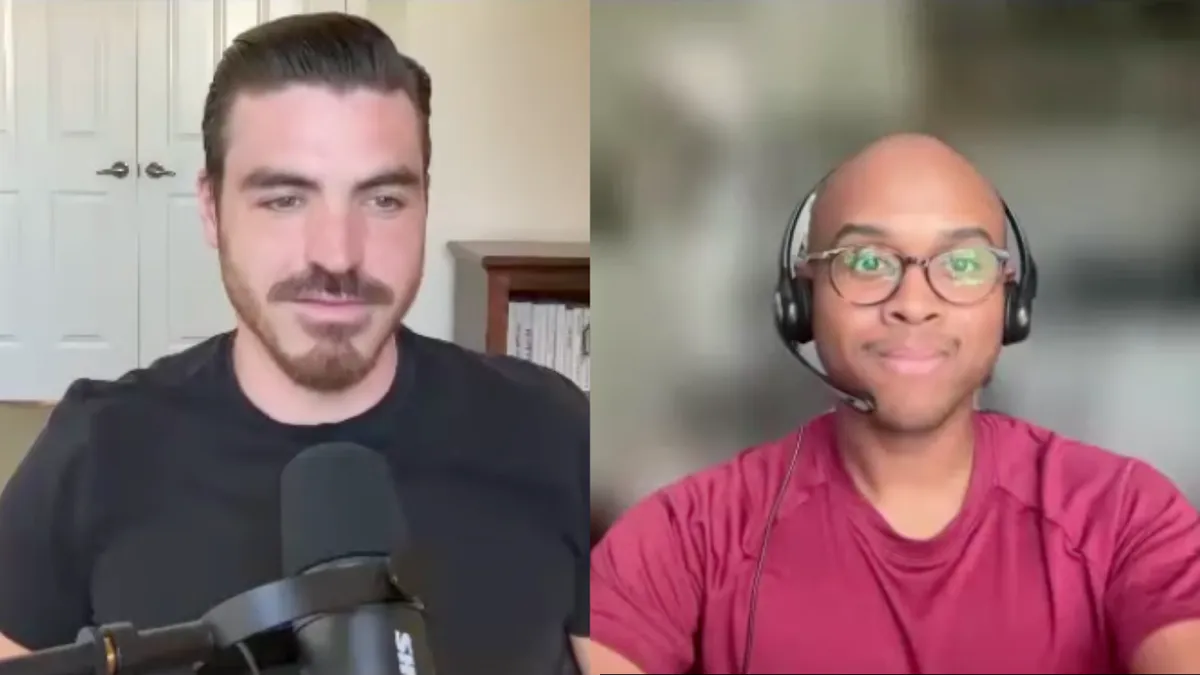
Interview by Peter Byram, Founder of The Icon Agency
Published Date: September 29, 2026

Interview by Peter Byram
Founder, The Icon Agency

Published:
September 29, 2026
Julian's Background and Rebuilding His Business from Scratch (00:00)
Peter: Alright, what's going on, guys? Peter here, and today I'm joined by the incredible Julian McFadden of J.M. Weddings. Julian is an incredible client. We've been working together since 2020.
Julian: It's been a minute. Great time to meet each other, by the way.
Peter: Right when the world changed forever. It'll be cool to tell your story of where things were back in 2020. How long have you been in the industry? When did you start shooting weddings?
Julian: I started professionally in 2016. When I was in college, my professor really liked my work, and he had me second shoot weddings with him that summer.
Honestly, I fell in love with the craft. Everybody has such a great time, and it's such a great environment to be around. I think a lot of college students can relate to that "what am I doing with my life" feeling. I was working at a hot dog stand at the time, making maybe $12 an hour. I've always been good at photography, but when you're in college, your parents don't tell you that art is the career to go into. It's always about business. I have military parents, so that was a hard sell too, though they've always been supportive. So I hit the ground running in 2016, when I graduated.
I launched my first business in 2016 with my partner, Josh. We did wedding photography together, and he was actually better than me at that point. He taught me a lot of what I know today. Over time, we realized our businesses were heading in different directions. He now runs his own crystal-selling business, which I think is great for him. We split in 2018, and that's when I started my own business from the ground up. We'd had a brand name together, and after our falling out, I tried to buy it from him, but he was asking for a very large amount of money. I was only two years in and didn't have that kind of capital. So I said, "Never mind. I'll start over." I already had the knowledge. I'm not a gambling man, but I always believe in betting on yourself. If you're going to put money into something, put your heart and soul into something you're passionate about.
Peter: A lot of people whose business ceased to exist would move on to something else, but you started from scratch. New name, new website, and you didn't have the shooters you'd been working with.
Julian: And then COVID hit. People couldn't host their weddings, and the government was shutting everything down. That really sucked, but it didn't stop me. I lost a lot of my workers because I couldn't afford to pay them, and I told them to do what they needed to do to survive. It takes a lot to rebuild, especially in weddings, because you need second shooters and associates you trust. You don't want to mess up a couple's wedding. So I vetted people hard and built a lot of connections. Some people from my old team still shoot for me once in a while, even though they have salaried jobs now. It's all about making those connections and having a good team behind you, even if you're a solo artist.
The Real Problem: No Real Sales Process, Just Direct Outreach (07:36)
Peter: We connected because you basically needed clients. What was going on at that time?
Julian: Peter, you were super helpful to me. I'll say that right off the bat. At the time, I thought I knew what I was doing. I had a good number of clients, but I also had a really low price point. When I started in 2016, I was charging about $1,500 for a whole wedding day with two photographers and a photo booth. I'd never do that today, but that's how it goes when you're starting out. I had around 50 weddings back then. By the time I met you, things had died down, people couldn't afford as much, and I'd raised my prices, so people were hesitant. What you taught me was that I didn't have a good sales process. That's what I was missing. It wasn't my work, and it wasn't my prices. It was how I was getting clients and nurturing leads so they'd trust me enough to pay a higher price, even during a pandemic.
Peter: What were you doing to get clients before that, back in 2020?
Julian: A lot of reaching out. I'm based in Oregon, and there are tons of wedding Facebook groups, like Oregon weddings on a budget. When someone posted that they were looking for a vendor, I'd add them and message them directly. That was my big direct-sales approach, and it worked well. Getting your foot in the door helps a lot more than waiting for people to reach out, especially when you're starting out with no brand. But by then I already had a portfolio and a brand. The outreach worked. What I needed was a way to nurture leads over a long period of time.
Why He Reaches Out to Couples the Moment They Get Engaged (09:05)
Julian: What I've learned is that it's really important to catch couples early, maybe two weeks after they get engaged. I just say, "Hey, I'm Julian. What's up?" I try to be a friendly face, more than just a photographer telling them what to do for photos. I want to be the person they feel they can come to for help. It's not technically my job, but being available to chat has really worked for me, and eventually that nurtures them into trusting me and my work.
Peter: That's interesting, because so many people in the industry are used to booking referrals. When someone gets referred by a venue or another vendor, they already have a lot of the logistics figured out and are just choosing between a few photographers. But you actually prefer couples who just got engaged and don't have that figured out. Why?
Julian: Because they haven't talked to anybody else yet, so I get to be their first go-to person. When you're newly engaged, you have no idea which vendors or venues to look at or what a good deal is. Everything is unknown. But those of us in the wedding industry have been doing this a while. I've been to a lot of the venues in our area, and I know the tea on them. I know who does good work. I can say, "Which venue are you looking at? I'd avoid that one, but if you want something similar, here's another option." That builds rapport right away. That's the whole point of catching them early: building trust. We might do an engagement session right away, and once they see the photos, they trust me even more. Even if their wedding is a year or a year and a half out and they don't have the money today, they keep me high on their list.
Peter: You're getting your foot in the door before they've talked to anyone else, so you get to shape the whole wedding experience. That's a huge advantage. It's a mindset shift, because people are used to focusing on couples who already have the logistics figured out, and there just aren't as many of those.
The Result: $150K a Year, Consistently, with a 10-Person Team (14:02)
Peter: Where are you at today in terms of revenue? What does your team look like? Paint a picture for people.
Julian: Revenue is about $150,000 a year, and I have a team of about 10 photographers and videographers.
Most couples come in wanting photography more than video, at least at first. Usually I talk to them about photography, we do an engagement session, they love it, and they book the wedding for photography. Then on a call, I'm often able to convince them to add video. When they're on the fence and say video is expensive, I say, "I totally understand, but even just a recording of your ceremony, something really simple, I promise you won't regret it." A lot of couples I talk to after their wedding regret not having any video. That usually gets my foot in the door for video.
This summer, I have about 40 weddings booked. Bookings average about $4,000 to $7,000. My highest was about $8,000, unless it's a three-day Indian wedding, which might be $15,000. I send the whole schedule to my team, ask what dates they want to work, and assign everybody. They love it, because I give them work that fills their own calendars. I teach the team the process too, but not everybody has the drive to do all the outreach I do. I handle all the logistics, they do the shooting, and I outsource the editing.
Peter: That's always been what fulfills you, having this team.
Julian: We're good friends, and we hang out. At weddings, we joke around and have fun. I've seen certain partnerships form within the team, and when two people love shooting together, I pair them up more. It creates camaraderie, makes the weddings more fun, and everybody loves the work. It's a wedding, not a regular nine-to-five job. You're there to have fun and do the work.
Peter: So the business is doing $150K a year, you've got about 40 events on the books, and the average client is spending $4,000 to $7,000, not including album upsells, right? So really it's more like $5,000 to $8,000.
Julian: Pretty much, yes.
Why 300 Instagram Followers Doesn't Matter When Leads Convert (21:03)
Peter: Social media is a beautiful tool, and I'm not anti-social media. But it's made it so people present an image, and you can end up chasing that instead of what actually drives results. Those are two different games. Often, the people doing the best aren't the biggest on social media, because they're focused on growing their business, getting clients, and making money. The people who are really big on social media are focused on getting big on social media.
Julian: You've known me a long time. I have not been the guy who posts on Instagram consistently. My main business page only has about 300 followers. It's kind of embarrassing to say out loud, but it doesn't really matter in the grand scheme of the business. What matters is that my clients are happy, I'm generating the revenue I need to pay my team and take care of them, and I'm living my life in a carefree way. If I posted more, I'd probably be even further ahead. Everybody has strengths and weaknesses, and social media is definitely my weakness. But I'm very communicative. I'm good at building friendships, texting people, and nurturing leads in my own way rather than through social media. It can work however you set it up.
Peter: Some people need to hear that. You have 300 followers, and you're making $150,000 a year.
Julian: Don't remind me.
Peter: It shows that the two aren't necessarily connected. Social media just hasn't been your focus. You've focused on generating leads, working those leads, and booking weddings.
Asking Couples Directly Why They Didn't Book, and Acting on It (23:56)
Peter: Some people watching aren't booked this year, even though they're talented photographers. What allowed you to go from the $50K level to consistently doing $150,000 a year?
Julian: I've heard it from people in my area, and I've seen Reddit posts and Facebook groups saying everyone's booking late in 2025 and bookings are down. I've always found that interesting, because I haven't really had that problem. You mentioned consistency, and that's the secret for me: staying on it all the time and keeping those leads nurtured. Not every lead will be a winner, but the more work you do, the more bookings you'll have. That's how it goes in any business.
If you're struggling, I get it. I've been there. Step back and look at what you could improve. Why didn't that couple book you? Did you actually ask them? I do that even when they don't work with me. Sometimes they don't reach back out, so I follow up, and when they say they booked someone else, I ask why. The answers might surprise you. It could be the way you talked to them on the call, your pricing, or what you offer. Maybe you need to switch things up. Every area is different in what people can afford and what they're looking for. You have to take all of that into consideration, find the patterns, and actually write it down.
Peter: You're talking about working on your business rather than in it. It's easy to get caught up in the day-to-day grind, focusing on things that seem important but don't move the needle. You're saying, "Let me find out what couples are actually telling me, and solve that."
Julian: A big problem I notice is influencers and mentors who run styled shoots. People get wowed: "This person charges $9,000 for weddings, so I can too." It's a kind of false hope. It's not that you can't do it, but not everybody can. A lot of photographers get the mindset of "I'm worth $9K" and stop listening to their clients. They only listen to the people above them. In any business, the most important people are your customers. What are their wants and needs? If you don't listen to them, you're not really listening.
The "Are You the CEO" Mindset Check for Staying Consistent (29:41)
Peter: Looking from the outside, one reason you've been so consistent is that you never stop marketing. Some people market aggressively in bursts, then stop, slow down, and have to get back on it. They seesaw between feast and famine. For the last five years, you just haven't stopped.
Julian: My biggest dip since 2020 was the year I had my own wedding. Wedding planning is hard, and I slacked on nurturing leads. I wasn't consistent, and instead of 40 to 45 weddings that summer, I only had about 28. It wasn't a big deal, because it was my wedding year and things happen. But now that we're married and want to buy a house, I kicked it back into gear, and lo and behold, the weddings came back. I'll say it again: consistency. Put yourself out there and actually run the business.
Peter: Why do you think some people hear that but don't want it to be the answer?
Julian: Whenever I notice myself slacking, maybe playing too many video games or going to the bar with friends too much, I ask myself, "Are you the CEO or not? Are you just one of the grunt workers, or are you the owner of this business? If you're the owner, act like it." I tell myself, "I'm not being a CEO right now. I need to be that guy." That helps me. It won't be everyone's mantra, and you might need something else in your own life to build your habits. I've built habits like working out, drinking water in the morning, and journaling, but everybody has to find their own path.
Peter: That's a great one. Another question people could ask themselves, which probably won't be as popular, is, "Am I the salesperson for this business or not?" If you look around and you're the only person in your business, you are the salesperson. You have to go out, get clients, and bring in revenue so you can eventually bring someone in to do it. But your perspective is that it's not really sales. It's connecting with couples and building relationships.
Flexible, Customized Packages Instead of Rigid Pricing (34:06)
Peter: People can tell when you're not trying to sell them something and are just trying to help. When you say, "I could offer you my biggest package, but I won't if it's not the right fit," I imagine their shoulders relax.
Julian: Say my average eight-hour photo package is $5,000, but a couple is doing a simple backyard wedding and only needs four hours of coverage. How can I still make that $5,000 worth it for them? I could add video, a photo booth, or more for the album. What can I do to maximize the value with the time they have, while making it feel right for them? You have to be flexible. Your package can't be one-size-fits-all. It has to fit different people, and you have to flex it so it feels like the couple picked it themselves.
The great thing about having a team is that I can be flexible. If it's a $5,000 package and they only have $4,000, that's okay. We can work out a deal. I'll send one of my team members, or if I'm not booked that day, I'll be there personally. I can give discounts because it gives my team more work, and overall it maximizes revenue. You could target one type of client, but that type of client isn't everybody. There's a reason some people shop at Walmart and others shop at Whole Foods. People have different incomes and different things they're comfortable with.
I'll still give deals. Say a couple is getting married at a church on a Wednesday, and I'm not booked that day. They only have $1,500, which is $4,000 under what I usually book for, but I'll do it, because I'm a go-getter. If I can't fit it in, I'll send somebody else, and even if I only earn $800 on it, that's not a big deal. It's worth my time, and I believe everybody deserves really good photos. Within reason, of course. If someone offers $100, that's not happening.
Peter: It's that mindset of trying to help people regardless. And it's not a peak-season Saturday, so it makes a lot of sense.
Hiring an Appointment Setter and Doubling Bookings Overnight (38:47)
Peter: You recently brought in a studio manager and salesperson. How's that going?
Julian: She's amazing, and it's been a huge game changer for me. I had a giant list of leads and couldn't keep up with it, which is a weird thing to say. Not every lead becomes a booking. Maybe 10% do, but it could have been 20% if I'd nurtured them properly. For example, we'd run ads and get 150 leads in a month. I could only reach out to 50 of them, and of those, I could only keep up with 25, because the next 150 were already coming in. It gets overwhelming. Now I have someone dedicated to that. During the summer, we're busy with shoots, I'm managing the team, and I'm shooting myself, because I love this with all my heart and don't want to give it up. She takes care of the leads and keeps me informed, like, "The couple is thinking about this. How do you want to respond?" Over time, she learns to handle it without asking me. Training someone is still a process, but once you find the right person, it clicks.
Peter: If you go from 10% of leads booking to 20% because you have a dedicated person, that doubles your business without a single additional lead, because you already have the volume. Growth really feels like a choice at this point.
Julian: She's already booked six weddings this month. Last time we talked, she hadn't booked anything yet, and then they all kicked in within two weeks. It's a slow process of nurturing them, and then boom, boom, boom. The great thing about her is that she doesn't just wait for me to tell her what to do. She brings ideas, and I encourage everybody on my team to do that. And these are legit bookings. None of them are super cheap.
The crazy thing is that I actually cut back what's included in my packages. I used to include two photographers on every package, and now it's one. I used to offer a photo booth and free album pages, and I don't anymore. I cut a lot, and I'm still getting the same number of bookings. The real key isn't the packages. It's that she's on top of the leads even more than I was. A lead comes in, and she messages them that day, or the next day at the latest. There's hardly any wait. She only works weekdays, which is fine. I can see all her messages, and I've only had to suggest a couple of small fixes.
Peter: That's huge. You bought back your time, she's doing an excellent job, and she's already paid for herself.
Julian: Now we just enjoy the shoots.
His Advice for Photographers Stuck Doing Everything Themselves (41:31)
Peter: Any final words of wisdom for the wedding photographer or videographer who wants to be booked out, stop doing all the grunt work, get more leads, and make $150,000 a year consistently?
Julian: I'll talk to my younger self here. You can't give up. You have to keep pushing. You might not want to do the grunt work, but think about the CEOs who built their companies. Most of the good ones did the work themselves. To build a business and hire people into roles like manager, you have to know what makes a good manager, because you've done the job yourself. Now you're teaching them. You have to hold yourself accountable to get it done, because nobody's going to do it for you. You might be a really great photographer, but it's not just about the art. It's a lot of work, I know, and it's hard. But if you want to get to the next level, you have to become the next level.
Peter: There's a big difference between being a good photographer and being a good photography business owner. You need the skill of shooting, but also all the other skills you laid out today.
$150K
in revenue a year, consistently since COVID
40
weddings booked for this summer
10
photographers and videographers on his team
6
weddings booked in two weeks by his new studio manager
Julian McFadden runs [J.M. Weddings], a photography and videography studio in Oregon. He started shooting weddings in 2016, co-founded a business that fell apart two years later, and had to rebuild from nothing, with a new name, a new website and no team. Then COVID hit.
Great work, but bookings still feel like feast or famine?
We run the ads and teach you the sales process Julian has used since 2020, so a steady stream of new couples keeps coming in, whatever season it is.
He started working with The Icon Agency in 2020. Since then, his business has brought in $120,000 to $150,000 every year, through the pandemic and every slow season since. Today he has a team of about 10 shooters, around 40 weddings booked for this summer, and a studio manager who booked six weddings in her first two weeks.
He's done it all with fewer than 300 followers on his main Instagram account.
In this interview, Julian explains why he wants to reach couples right after they get engaged, how he tailors packages to what each couple actually needs, and the one question he asks himself when he starts slacking.
In this story
Starting over from scratch
The missing piece was sales
$150K a year, every year
How Julian books couples
Buying back his time
Julian's advice for other photographers
Key Takeaways
Frequently Asked Questions
Starting over from scratch
Julian was in college, working at a hot dog stand for about $12 an hour, when a professor asked him to second shoot weddings for the summer. He fell in love with the work. After graduating in 2016, he launched a wedding photography business with a partner.
By 2018, the two had grown apart. To keep the brand, Julian would have had to buy out his partner's share, and the price was far more than a two-year-old business could afford. So he let it go and started over from scratch.

"I'm not a gambling man by any means, but I always believe in gambling on yourself." — Julian McFadden, J.M. Weddings
Back then he charged about $1,500 for a full wedding day with two photographers and a photo booth. At that price, he booked around 50 weddings a year.
The missing piece was sales
By 2020, Julian had raised his prices, and then the pandemic arrived. Weddings were postponed or canceled, couples were nervous about spending money, and he had to let most of his shooters go. He had been finding clients by messaging couples in Oregon wedding groups on Facebook. His work was good and his prices were fair. What he was missing was a sales process.
"It wasn't my work that was bad. It wasn't my prices that were bad. It was how I was going about getting the clients and nurturing those leads to make them trust me enough to pay that higher price, even during a pandemic." — Julian McFadden
He spent his first six months with Peter learning that process from start to finish. It turned out to be the foundation of everything that came after.
$150K a year, every year
Many talented photographers are saying 2025 is their slowest year yet. Julian says he hasn't felt that. For him, the key has been consistency.
Here's where his business stands today:
About $150,000 in revenue a year, with $120,000 to $150,000 every year since COVID
Around 40 weddings booked for this summer
Most couples spend $4,000 to $7,000, closer to $5,000 to $8,000 with albums
A team of about 10 photographers and videographers who get regular work from him
An outside video editor at about $300 per project, plus AI editing tools that handle roughly 90% of photo edits
A new studio manager who booked six weddings in two weeks
A goal of 60 weddings a year, while keeping the team small and close-knit
Julian's slowest year came when he was planning his own wedding and stopped following up with leads. He booked 28 weddings instead of his usual 40 to 45. As soon as he started nurturing leads again, his calendar filled back up.
"The secret to me is consistency. The more work you do, the more bookings you're going to have. That's how it goes in any business." — Julian McFadden
How Julian books couples
Julian's approach is simple: become the couple's friend. He jokes with couples that he'll be their bridesmaid. Here's his process:
Reach couples early. Julian likes to connect in the first few weeks after an engagement, before a couple has talked to any other vendor. Being their first point of contact builds trust.
Share what you know about the venue. He's shot at most venues in his area. He tells couples which ones are great, which to avoid, and what similar options they might like.
Start with an engagement session. Even if the wedding is a year or more away, an engagement shoot builds trust. Once couples see their photos, Julian is at the top of their list.
Plan the day with them on the call. He asks about the ceremony time and when sunset is, then sketches out a photo timeline with them. It shows he knows what he's doing without a sales pitch.
Recommend what fits, not your biggest package. A backyard wedding doesn't need eight hours and three shooters. For a smaller day, he'll add video, a photo booth, or album pages to make the package fit their plans.
Suggest video. Many couples start out only wanting photos. Julian tells them that even a simple ceremony recording is worth having, because many couples later regret not having any video.
Ask couples who didn't book why. When a couple picks someone else, he asks why. Their answers show him what to change in his calls, pricing or packages.
"Nobody wants a car salesman to be their friend. I just become friends with the couple." — Julian McFadden
Ready to build a business that's steady year after year?
Julian rebuilt his studio from scratch just before the pandemic. Since 2020, he's brought in $120,000 to $150,000 every year, with a team of 10 and a studio manager handling his leads. If your bookings rise and fall with the season, let's look at where your studio is now and whether the program is the right fit.
Buying back his time
For years, Julian handled nearly everything behind the scenes: finding clients, following up, scheduling, managing the team and planning timelines. When his ads started bringing in around 150 leads a month, he could only reach about 50 of them and keep up with half of those.
So he hired a studio manager. She messages every new lead the same day or the next, and she's already booked six weddings, all at full price. Julian believes that faster follow-up could double his booking rate, from about 10% of leads to 20%, without adding a single lead.
He's also found he can include less in his packages. Most packages now come with one photographer instead of two, no photo booth and no free album pages. His bookings haven't dropped.
"The real key isn't necessarily the packages. It's that she's on top of it, even more than me." — Julian McFadden
When he catches himself slacking, Julian asks himself one question: "Am I the CEO or not?"
Julian's advice for other photographers
If your bookings have slowed down: Step back and look at what you could improve. Ask the couples who didn't book you why they chose someone else. Their answers may surprise you.
If you're chasing someone else's prices: Listen to your clients, not influencers. "The most important people are your customers. If you don't listen to them, you're not really listening."
If you're tempted to ease off: Don't stop following up with leads. That one change cost Julian about 15 weddings in his slowest year.
If you don't want to do the grunt work: "If you want to get to the next level, you have to be the next level."
Key Takeaways
Reach couples early, before they talk to other vendors.
Be their friend and guide, not a salesperson.
Suggest what fits each couple, not just your most expensive package.
Keep marketing and following up, even when you're busy.
Hiring someone to follow up with leads can grow bookings without adding a single new lead.
Frequently Asked Questions:
How do you build a wedding photography team?
Julian built a team of about 10 photographers and videographers by vetting people carefully, keeping in touch with past shooters, and pairing people who work well together. He handles scheduling and logistics, assigns weddings to his team, and brought in a studio manager to follow up with leads.
Should a wedding photographer hire a studio manager or salesperson?
If you're getting more leads than you can follow up with, it can pay off quickly. Julian's studio manager messages new leads the same day or next weekday, and she booked six weddings in her first two weeks.
Do you need a big Instagram following to succeed as a wedding photographer?
No. Julian's business Instagram has about 300 followers, and his business brings in about $150,000 a year. His bookings come from paid ads, fast follow-up, and personal relationships with couples.
Can AI help wedding photographers with editing?
Yes. Julian uses AI editing tools like Aftershoot and Imagen, which have learned his editing style. He says they do about 90% of the work, and he finishes the last 10% himself.
How much does it cost to outsource wedding video editing?
Julian's outside video editor charges about $300 per project and delivers in two to three weeks. Rates vary by editor and project length.
When is the best time to reach engaged couples?
Julian prefers to reach couples within a couple of weeks of their engagement, before they've talked to other vendors. Being the first helpful contact builds trust early, even if the wedding is a year or more away.a
More Client Stories

"$55K in Wedding Sales in 3 Months"
"We've booked more weddings in three months than I have all year."
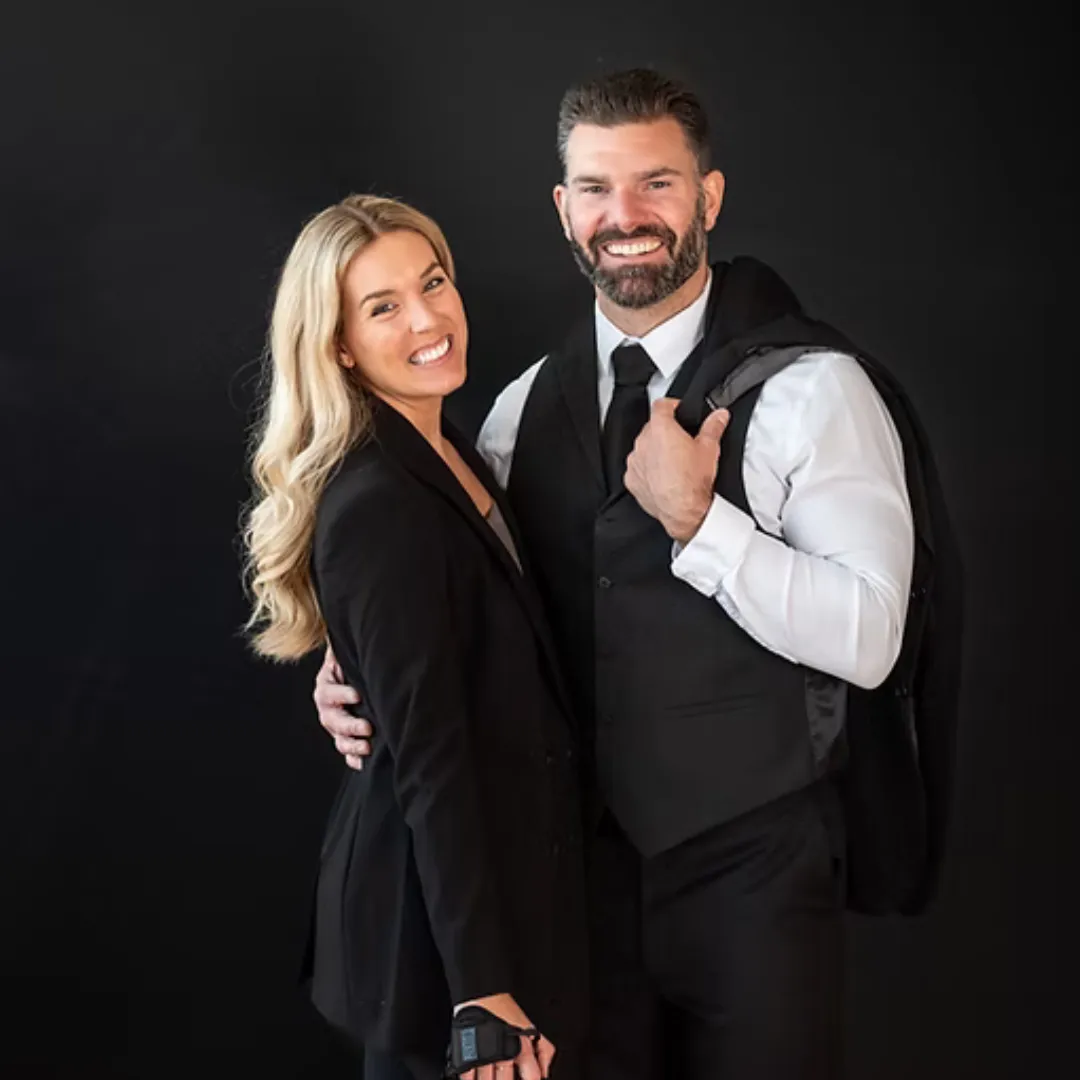
Katrina Kubicina
The Kubicinas
"From full-time teacher to $500k/year in 1.5 years"
“I went from struggling to fill my calendar… to being fully booked for 2025, making over $500K in wedding revenue—with systems that keep growing.”
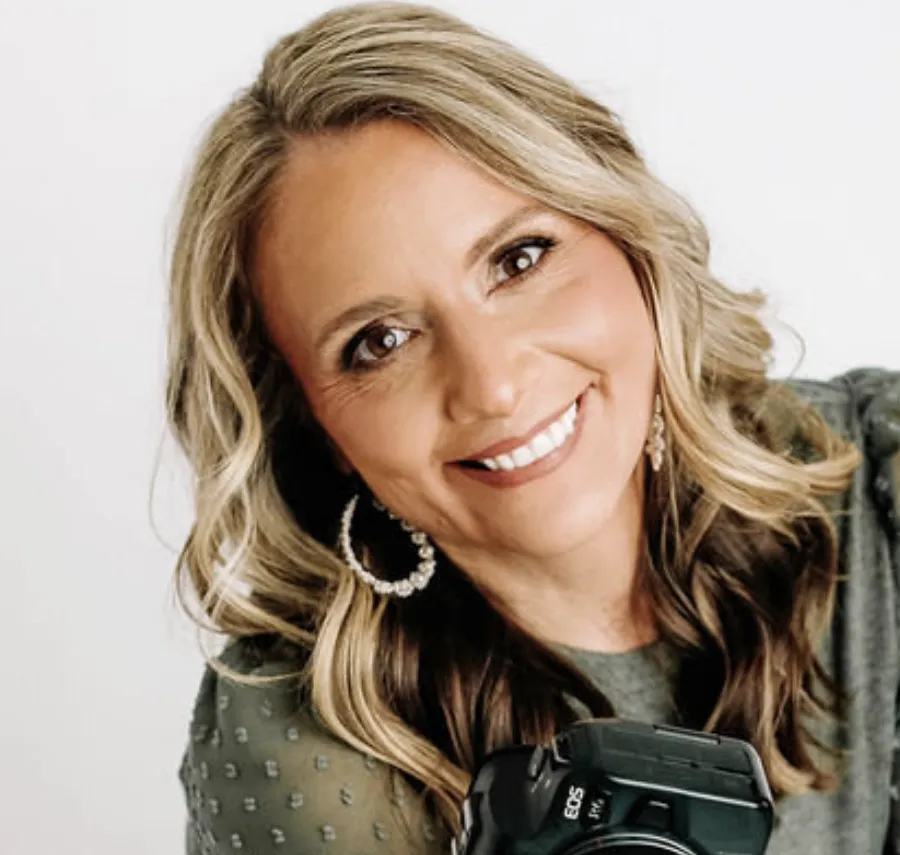
Sara Haines
Sara Haines Photography
"Booked 12 Weddings in 3 Months After Years of Nothing"
“I did workshops, mentorships—nothing delivered leads. Then I booked 12 weddings in just a few months. This was the first system that finally worked.”
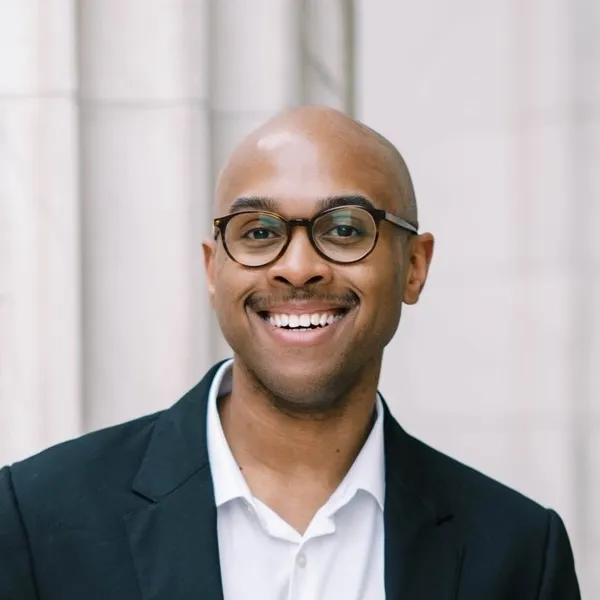
Jordan Gresham
JKG Photography
Trusted by 400+ more successful wedding photographers


Step Into the Future of Bookings
Join hundreds of wedding photographers using Icon to attract premium couples and fill their calendars with high-paying clients—months in advance.

© 2026 The Icon Agency
Ready to scale your wedding photography business?
Book a call with our team or start with the free training to see how we can help you fill your calendar with high-paying clients.