



How Wedding DJ Trent "DJ Blnce" Went From 10 Weddings to 40 and Past Six Figures in Under a Year
Trent was an EDM DJ who'd been doing weddings on the side and working shifts as a server. He found out that Gen Z couples in Colorado want real mixing and remixes at their weddings. Ten months later, he's booked for a wedding every week from June through November.
Interview by Peter Byram, Founder of The Icon Agency
Published Date: October 5, 2026

Interview by Peter Byram
Founder, The Icon Agency

Published:
October 5, 2026
Trent's Background: From Dancer to DJ (00:00)
Peter: I'm joined by Trent McFadden, aka DJ Balance, an amazing wedding DJ out of Colorado with an incredible story. Trent, how did you get started?
Trent: I started DJing in 2023, after a bunch of my friends took it up as a hobby. I used to be a semi-professional dancer, so I already understood the timing, the eight counts, and the phrasing, which DJing relies on heavily. I caught on really quickly. I've always been meticulous about music, and as a dancer, I'd go to shows thinking about melodies and basslines I wanted to hear. It feels like something I was born to do. At first I wanted it to be a hobby, but crowds responded really well, and I was enjoying it so much.
Cold Calling 300 Breweries (02:24)
Trent: I was 25 and having a mini midlife crisis. The startup I worked for failed, but I'd learned so much about business: how to operate one, how to create content, and the sales grind. So I told myself, "Let me go all in on DJing for a year. If nothing happens, I'm 26, and I can figure something else out." I applied that business grind to DJing. I cold called 300 breweries and restaurants and got one gig. A woman in the crowd at that gig owns a brewery, and two years later she texted me out of the blue: "To this day, you're the only DJ who's impressed me. I want you to play at my brewery." I'm playing there this Saturday.
Why Gen Z Couples Want EDM at Their Weddings (03:53)
Trent: I was hesitant to do weddings at first. In the Denver EDM community, DJs don't want to play weddings, because it's all Bruno Mars and "Don't Stop Believin'," which makes us cringe. But it's 2026, Gen Z is getting married, and in Colorado, couples in their mid- to late 20s are ravers. They love house and bass remixes of pop songs, old hip-hop, and Michael Jackson. Weddings aren't what they were 10 or 20 years ago. People want more substance and less cliché.
I brought my standards to weddings. I mix two, three, or four songs at once to create mashups and fun lyric and beat plays. Venues still tell me, "You're one of the best we've ever had. You're actually mixing." A lot of wedding DJs play a song all the way through, let it die, and press play again, or just play from a playlist. My first wedding, I played a bunch of house remixes of songs people knew, like Ozzy Osbourne and AC/DC, and it went so well that I thought, "Okay, this is the sauce."
Peter: When we first talked, there was a question mark about whether people really wanted this. Different is better than better, and it has totally resonated.
Trent: Last weekend, I played a bass-music wedding and a house-music wedding. About half my couples are huge EDM fans. But I can also crush a standard wedding and sneak in remixes they didn't know they wanted until they heard them. I believe that's a DJ's job: to play music people didn't think they wanted to hear, and then they say, "Can you do more of that?"
The Real Problem: 10 Weddings and No Path to Full-Time (09:13)
Peter: When we started working together last August, what was going on in your business?
Trent: I'd just launched my profile on The Knot with a fun sample mix video, and I'd done about 10 weddings from it. My goal was to do weddings full-time, but I didn't know how to get there. I'd been serving at restaurants for nine years, and my relationship with my restaurant job was getting rocky. The business was growing, but very slowly. I knew that once I got in front of a couple, I could connect and sell. I really care about every couple. I just needed help with marketing and leads.
Peter: I had a sense that you could be successful if you just had more at-bats. The Knot was getting you some leads, but it was slow going.
The Result: From 10 to 40 Weddings in 10 Months (12:04)
Peter: So now, about 10 months in, what is business like?
Trent: Incredible. Sometimes it's still hard to believe, and it's consistent and growing. I've made more money than I ever have in my life, and I'm still enjoying every bit of it. I have at least one wedding a week from June to November, and that's by choice, because I'm moving in November and want to travel to Europe or Japan this winter. I can book as many as I want, but I need rest. I have a December wedding and a January one booked, three in May, and next June is already full. Today I messaged all my leads, and I have four calls tomorrow.
Peter: You've booked about 40 weddings in the last seven or eight months. You went from 10 weddings a year to booking a wedding a week, and you're over six figures, at a time when a lot of people in the industry feel bookings are down.
The Fortune Is in the Follow-Up (15:45)
Peter: What changed that let you go from A to B?
Trent: Consistency is number one. That doesn't mean working from 6 a.m. to midnight. It's a routine. Every day, I go through my messages one by one. You told me the fortune is in the follow-up. If it's Thursday, I skip yesterday's messages, because it's been less than 24 hours, and I follow up with Tuesday's. When couples sign up for the giveaway, they're interested, but that engagement can be lost quickly, because we scroll through 200 videos a day. People get busy and forget. When you follow up 24 hours later, it's still fresh. I can't tell you how many people thank me for following up. I also go back a few days. On Fridays, I'm locked in on the weekend, so on Monday morning, I look at the previous Thursday and Friday.
I message about 10 to 20 people a day. Just sending the follow-ups takes about 30 minutes. If people start replying, I have the conversation right then, because back-and-forth is where most of my bookings come from. Coming off a long weekend, I did three hours today, but tomorrow will be 30 minutes to an hour. And don't stress if it's been 30 minutes or a day since a lead messaged. Timing matters, but not as much as you might think.
Peter: It's not a marathon. Can you do this for 30 minutes every day? If you can, you could easily make six figures from that amount of work.
Lead Them, but Be Human (18:38)
Trent: What it really comes down to is leading the conversation while being a human. Use exclamation marks and emojis. Respond to their "ha ha" and "We went on vacation last week" with "Oh, sick, where'd you go?" But still lead them to the next step. People want to be guided: "Here's how the giveaway works, here's the next step, and after that you can qualify for the discount." Weave in dreaming with them: "What do you love? What do you see for your wedding?" Don't lead with "How many hours of coverage? We charge a dollar a mile over 30 miles." Get into that later.
Couples need to be confident you can do your job, so you need the professional side: reminders, showing up on time, backup equipment, and organized music. But if they don't feel emotionally connected to you, they won't trust you with one of the most emotionally vulnerable days of their life. I joke with couples that we're having a little pseudo-marriage, because I hold the vibes in my hands. With a caterer, maybe you just need to like the food. With a DJ or photographer, it has to feel good.
Booking Couples Who Don't Have a Venue Yet (26:47)
Peter: What's working best for you on calls?
Trent: Being myself. I've had a lot of sales jobs, and this one is the most fun. People want to have fun at their wedding. I send them a mix related to the music we've been texting about. I've pre-recorded almost every wedding I've done and posted it on SoundCloud. If they listen to it, they know I can technically DJ. My reviews, process, and brand show I'm professional, not a bedroom DJ you pay on Venmo. So the only question left is: do we like this person?
I always start with, "How long have you been together? Is there a fun proposal story we could all enjoy?" Instant smiles, and their guard comes down. We talk about the deposit and contract only at the end, after we've built an emotional connection. One groom was cooking steaks, and I said, "Dude, I get my steaks from Costco and cut them up myself." He ran up to the camera: "Dude, that's what I do!" That was the first two minutes, and it had nothing to do with the wedding.
You can't have one without the other, though. I'm also very confident in my service and my ability. And as vendors, we want to work with fun people too. That's how we avoid burnout. If we're not laughing and having a good time on a call, I don't necessarily want to do their wedding.
Peter: It's easy to gloss over this and ask, "What's the real secret?" But this is the secret. There's no pretense, just instant rapport. Business is just relationships. And when you're having fun, you want to do the work. It's not "I have to do this," it's "I get to do this." When you're in that place, you do a lot of it, and you get a lot of results.
Trent: When you're grateful for your life, your job, and your couples, that energy comes right through the screen. Gratitude is infectious. Couples tell me, "I see your reviews and your content, but you're just really easy to talk to, and this feels really good." Nobody spends a lot of money when they're uptight. When people say "I need to think about it," they're really saying, "I don't feel safe."
Peter: That's the 80/20 of sales: make people relax.
His Advice for DJs Ready to Go Full-Time (42:05)
Peter: What's been the most transformational part of working together?
Trent: The support and guidance, especially being able to bring my questions to the coaching calls three times a week. And the humanity of your team. It isn't a big corporation where I met Peter for five minutes and never saw him again. I feel safe in this community. If I hadn't felt your genuineness, I wouldn't have signed up. I got scripts written for photographers and adapted them for a DJ, which I enjoyed, and the call reviews were huge. You get the leads to the table, but if I'm not selling them, there's a problem, and you offer that support. Joe and Augie are crushing it and are really good people.
Peter: Say there's a DJ watching who does 5 or 10 weddings a year part-time and dreams of making six figures doing this full-time. What would you tell them?
Trent: Find the help you need in whatever area you're lacking. Going from 5 weddings to 40 isn't easy, but it's so worth it. It's scary, and it's a lot of money. Now that money looks like pennies compared to what I've made from the investment, but at the time, I was scared. So first, ask yourself how confident you are in your ability to do a great job at a wedding. If you're not, figure out why and work on it. Then get the help you need, whether that's leads or content.
Be yourself. We're the party, so have fun with it. You can still find your own music taste within weddings. And playing a few hours of music that isn't your favorite is way better than working a nine-to-five you hate. When people are having a great time, you feel that energy too. It all starts with you, and then you have to buckle up and take the leap. I used to watch these videos thinking how cool it would be to be one of these people, and now I'm here.
10 → 40
weddings booked in about eight months
$100K+
in revenue, the most he has ever made
1
wedding every week from June through November
~5
weddings booked each month from about 20 calls
Trent, known as DJ Balance, is a wedding DJ in Denver, Colorado. He started DJing in 2023, after years as a semi-professional dancer had trained his ear for timing and phrasing. He was 25, a startup he'd worked at had just failed, and he gave himself one year to go all in. His first gig came from cold-calling 300 breweries and restaurants.
He held off on weddings at first. In the EDM scene, wedding sets are known for songs DJs groan about. Then he noticed that the couples getting married in Colorado were in their mid to late twenties, and many were ravers who wanted house and bass remixes and real mixing at their weddings.
Great at what you do, but not getting enough leads?
We run the ads and teach you the follow-up routine Trent used to go from 10 weddings to 40 in under a year.
When Trent joined The Icon Agency in August 2025, he'd done about 10 weddings, mostly booked through The Knot, and was still working as a server. About ten months later, he has booked around 40 more weddings and passed six figures, the most money he's ever made. He's booked for a wedding every week from June to November, and his June 2027 calendar is already full.
In this story
An EDM DJ who almost skipped weddings
Ten weddings and a restaurant job
From 10 weddings to 40
Trent's daily follow-up routine
What actually books the wedding
Trent's advice for other DJs
Key Takeaways
Frequently Asked Questions
An EDM DJ who almost skipped weddings
Trent's first year of DJing was all hustle. He cold-called 300 breweries and restaurants and landed one gig. Two years later, a brewery owner who had been in that crowd texted him out of the blue. She said he was still the only DJ who had ever impressed her, and she booked him.
When he started playing weddings, he brought club-level skills with him: playing several tracks at once, building mashups, and transitioning smoothly between songs. Venue staff kept telling him he was one of the best DJs they'd ever had.

"They're like, 'You're actually mixing. You're actually DJing.' I had no idea that bunch of DJs just play a song all the way through, let it die, and press play again." — Trent, DJ Balance
About half his couples are EDM fans. In one recent weekend, he played a bass-music wedding and a house-music wedding. For couples who want a classic party, he plays the usual hits and mixes in remixes they don't know yet but end up loving.
"I believe it's the job of a DJ to play music you didn't think you wanted to hear, until you hear it and you're like, 'I like that.'" — Trent
Ten weddings and a restaurant job
When Trent and Peter first talked in August 2025, Trent had put real effort into his profile on The Knot, including a fun sample mix video. It had brought in about 10 weddings. He was splitting his time between weddings and serving, which he'd done for nine years, and he was ready to leave the restaurant.
He wasn't worried about selling once he was talking with a couple. What he needed was more couples to talk to.
"I knew once I was in front of a couple, I was selling them. It was a matter of needing help with marketing, needing to be presented with leads. Then I knew I could bet on myself." — Trent
From 10 weddings to 40
Once The Icon Agency started running Meta ads for him, Trent finally had enough conversations to fill his calendar.
About 40 weddings booked in roughly seven to eight months, up from about 10 total
Over six figures in revenue, the most he's ever made
About 20 calls a month, booking roughly five weddings
One wedding a week, every week, from June through November, a pace he chose
A December and a January wedding booked, three in May, and June 2027 already full
Time set aside for a move in November and a trip to Europe or Japan this winter
"I made more money than I ever have in my whole life, and I'm still enjoying every bit of it." — Trent
Trent's daily follow-up routine
Trent credits his results to one simple habit he repeats every day: following up.
Look back every day. Each day, he goes back through messages from the day before and two days before. He gives new leads about 24 hours to reply, then follows up.
Message 10 to 20 people a day. The follow-ups themselves take about 30 minutes. When couples reply, conversations can run as long as three hours. One of those sessions can book three or four calls.
Reply while they're there. If a couple writes back while he's going through his messages, he stops and replies right away. He says a few minutes' delay doesn't matter, but a back-and-forth conversation is where most bookings happen.
Be human, and lead. He uses exclamation points and emojis, asks about their vacation, and gets excited about their plans. He also guides them through each step: how the giveaway works, what comes next, and how they qualify for the discount.
Keep couples who aren't ready yet. If a couple doesn't have a venue yet, he still gets on a call to talk about their vision and their music. They can put down a small, refundable deposit to lock in the giveaway discount. Then he checks in with them every week or two.
"I can't tell you how many thank-yous I get for the follow-up. People are interested, but life happens, and then they lose track of it." — Trent
Ready to fill your calendar?
In August 2025, Trent had about 10 weddings under his belt, most from The Knot, and was still waiting tables. Ten months later, he has booked around 40 weddings, passed six figures, and plays a wedding every week. If you're a DJ or wedding pro ready to go full time, let's look at where your business is now and whether the program is the right fit.
What actually books the wedding
Trent mostly books in a single call. By the time a couple is on the phone, most of their practical questions have been answered:
Can he DJ? Before the call, he sends a recorded SoundCloud mix that matches the music they've talked about.
Is he reliable? His reviews, branding and clear process show he's a professional, not someone you pay over Venmo.
That leaves one question: do they like him?
"I always start off with, 'Tell me about your story. Is there a fun proposal story we can all enjoy?' Boom, instant smiles. Their guard is down." — Trent
He saves the contract and deposit for the end, once they've connected. One groom mentioned he cuts his own steaks, and two minutes into the call they were planning a cookout. He jokes that he and the couple are "having a little marriage of our own," because they need to trust the person who controls the vibe at their wedding.
"People want to have fun at their wedding. If you're having fun with your vendor right off the bat, the rest falls into place." — Trent
He also looks for couples he enjoys working with. Being choosy keeps him from burning out.
Trent's advice for other wedding DJs
Start with confidence in your skills: Before you think about $100,000, ask whether you can do an amazing job at a wedding. If not, work on that first.
Get help where you're stuck: For Trent, the problem was leads. Find out what's holding you back and get help with it.
Follow up every day: "The fortune is in the follow-up." Even 30 minutes a day adds up.
Have fun and be yourself: "We're the music, we're the party." Couples book the DJ they enjoy talking to.
You can still play what you love: There's room for your own taste at weddings. Even when the music isn't your favorite, a packed dance floor beats a nine-to-five you hate.
Key Takeaways
Gen Z couples want weddings that feel like them, including EDM and real mixing.
Being different works better than trying to be a slightly better version of everyone else.
A daily follow-up routine, looking back one and two days, keeps leads from going cold.
A recorded mix that matches the couple's taste answers "Can he DJ?" before the call.
Rapport and fun on the call help couples feel relaxed enough to book.
Frequently Asked Questions:
Do Instagram and Facebook ads work for wedding DJs?
They did for Trent. He went from about 10 weddings to around 40 in less than a year, and he passed six figures.
Do couples want EDM at their wedding?
Many do. About half of Trent's couples are EDM fans, and even traditional couples love remixes of songs they already know.
How often should a wedding DJ follow up with leads?
Every day. Trent reviews the past one to two days of messages daily and messages 10 to 20 people.
How do I book wedding DJ clients on the first call?
Answer the technical and reliability questions before the call with a sample mix, reviews and a clear process. Then use the call to connect.
What if a couple doesn't have a venue yet?
Trent still gets on a call to talk about their vision. Couples can put down a small, refundable deposit to hold their discount, and he checks in every week or two.
Can a wedding DJ go full time?
Yes. Trent was splitting his time between weddings and a restaurant job when he started. Now he books a wedding every week from June through November.
More Client Stories

Built a $150K Wedding Business With 40 Bookings
“I started from scratch in 2018. Now I’ve got 40 weddings booked, a team of 10, and we’re pulling in $150K+ a year consistently—even through the chaos.”

Julian McFadden
JM Weddings
"From full-time teacher to $500k/year in 1.5 years"
“I went from struggling to fill my calendar… to being fully booked for 2025, making over $500K in wedding revenue—with systems that keep growing.”
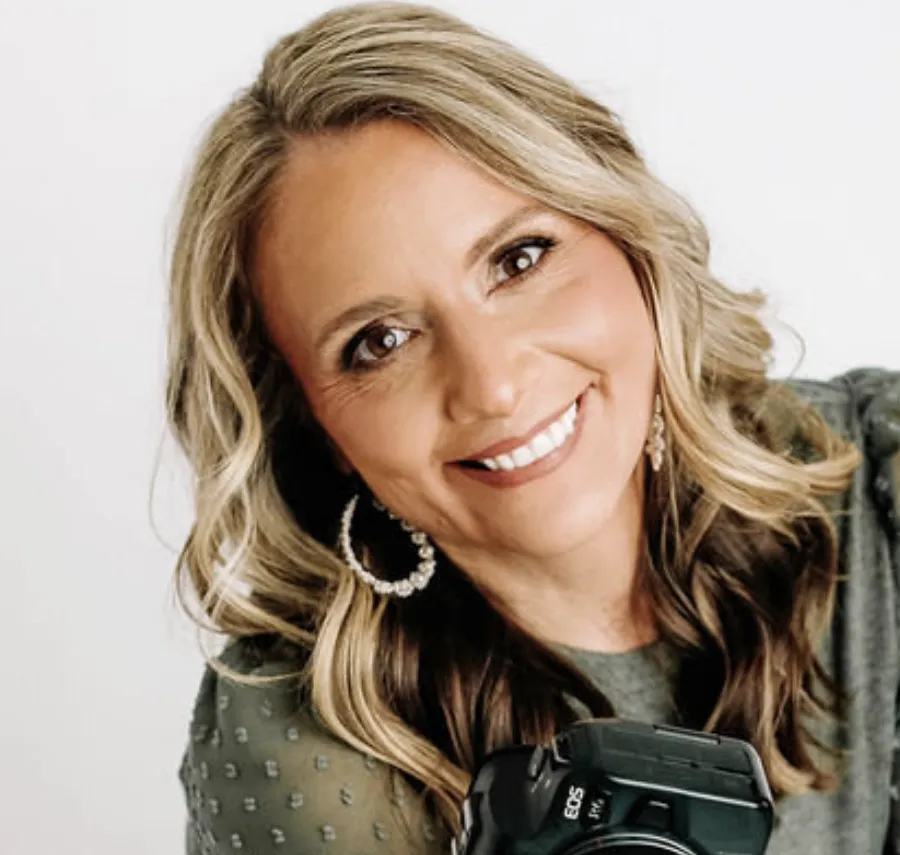
Sara Haines
Sara Haines Photography
"Booked 12 Weddings in 3 Months After Years of Nothing"
“I did workshops, mentorships—nothing delivered leads. Then I booked 12 weddings in just a few months. This was the first system that finally worked.”
Jordan Gresham
JKG Photography
Trusted by 400+ more successful wedding photographers


Step Into the Future of Bookings
Join hundreds of wedding photographers using Icon to attract premium couples and fill their calendars with high-paying clients—months in advance.

© 2026 The Icon Agency
Ready to scale your wedding photography business?
Book a call with our team or start with the free training to see how we can help you fill your calendar with high-paying clients.