



From Lab Tech to $115K: How Ibrahim Hayek Built Hayek Studios in Two Years, With 40 Weddings Already Booked for 2025
Ibrahim was a lab tech who second shot weddings on the side and had never sold anything. He learned ads, sales and how to track his numbers, then grew from about $20,000 to $115,000 a year. Now he has associate shooters, his first VA and a goal of $500,000.
Interview by Peter Byram, Founder of The Icon Agency
Published Date: October 8, 2026

Interview by Peter Byram
Founder, The Icon Agency

Published:
October 8, 2026
Ibrahim’s Background: From Lab Tech to Wedding Photographer (00:00)
Peter: I’m joined by Ibrahim Hayek of Hayek Studios. Ibrahim has an amazing story. Give us a quick intro.
Ibrahim: We’re located in New Jersey, but we shoot all over, including destination weddings. I started wedding photography around 2021, mostly second shooting, and I got a lot of help from Peter along the way. When we first connected at the end of 2021, I was about 95% second shooting, and I was working full-time as a lab tech. I studied biology. I’d always been a hobbyist photographer, and getting married sparked the idea that I could do this. Then I really started hating my nine-to-five. It felt like jail, like I was wasting my life. If I’m not mistaken, wedding photography alone is a $30 billion industry in the U.S. Get just 1% of that, and you’re set. So I started calling studios in my area to second shoot for them. But I wanted to work more with couples and make more income, because my goal was to quit my nine-to-five.
The Result: Over Six Figures in Two Years (03:16)
Peter: We started working together in 2022. It’s now 2024. What does business look like today?
Ibrahim: Over six figures, full-time. We have associate shooters, and I just hired my first virtual assistant, who starts next week.
Peter: A few days ago, you told me you have no doubt this business will be doing $500,000 a year within the next few years. Just a few years ago, this was only an idea.
Overcoming the Fear of Investing in Himself (05:26)
Peter: We went back and forth for a while before you decided. What was the hesitation?
Ibrahim: Leaving a nine-to-five is scary, because it’s comfortable and secure. But as an employee, you’re just as likely to lose your job tomorrow, so it’s best to earn for yourself. I have a family, and I don’t like relying on someone else to pay me. I knew I had to do this, but I didn’t know how. You can be the world’s best photographer, but if you don’t know business, how to get clients, and how to market, you won’t succeed. I’d been in your group watching everyone’s success, so I almost had no doubt it would work. My biggest hesitation was whether I could make it happen. It was also my first time ever investing money in myself. My wife and I had a baby on the way, and I didn’t want to fail.
What finally pulled the trigger was telling myself, “If this works so consistently for everyone else, there must be a simple process anyone can implement. I just need to sit down and do the work.” Looking back, it’s funny, because I spent money on stupid stuff that gave me zero return. After investing in myself and seeing the return, I’ve kept investing in bridal shows, equipment, and now a VA to buy back my time. Before, I would have said I couldn’t hire anybody. What I learned with you and your team is still the core of what I do today. It’s simple and straightforward.
Peter: Once you’ve invested in yourself and had success with it, you realize there’s a whole economy of paying money to acquire skills. You have to turn that corner to thinking like an entrepreneur, and it’s not an intellectual thing. It has to click.
Learning Business from Zero (12:42)
Peter: You were basically a brand-new business owner. What was that like?
Ibrahim: I had zero experience in sales or talking to people about what we offer. I was learning something new every day. Sometimes it takes a month or two to learn one thing because you have to test it. But once you learn even a small thing, it can 2x or 3x your results. It’s a patience game. Two years later, it feels like yesterday that I sat down to talk with you. Now it’s about tweaking and adjusting. A lot of the process is automated now, too. When I started, everything was manual, and the workload was huge. Now half of it’s automated, so it’s easier and I make more money.
Peter: The greatest gift we can give photographers and videographers is knowing you have dials and levers you can pull to drum up business. So many people in this industry operate by the seat of their pants. I’ve talked to big names in the industry this year who have no clients booked for next year, because they rely on word of mouth and have no real system.
Advice for Getting to Six Figures (17:14)
Peter: What would you tell someone in your shoes two or three years ago who wants to get to six figures and quit their job?
Ibrahim: First, and this is non-negotiable, you have to put in the work. Scrolling social media gets nothing done. Second, if you’re new, nobody knows about you. People have looked at my website and said, “You look like you’d charge $10,000-plus,” but I wasn’t making any money, because nobody knew I existed. You can’t sell to people who don’t know you exist. So learn to advertise. Once they inquire, you have to show them your value, why you’re different and how you can help. If you’re good at sales, that’s a big plus. I learned both advertising and sales from you guys.
Peter: There’s no other problem to solve before six figures except client acquisition: a repeatable process to get two, three, or five clients a month. People overcomplicate it because they don’t want to do the boring work, like talking to another couple or creating another post. You didn’t have a fancy logo, the perfect Instagram feed, or elite gear. It was Facebook ads, texting every lead, and getting them on the phone.
Why Tracking KPIs Changed Everything (21:07)
Ibrahim: When you first showed me the KPI spreadsheet, I thought, “This looks boring.” I neglected it for a long time. On follow-up calls you’d ask, “Are you keeping your KPIs?” and I’d say, “I kind of have an idea.” But ideas don’t work. Numbers don’t lie. Now I update it every month and compare it with previous months: how many leads we got, how many we converted, and how many booked. If we’re slacking somewhere, I figure out why, test a change for a month or two, and see whether it improves.
Peter: You can’t optimize a system you have no data for. Once you can see that this much money brings in this many leads, which turn into this many calls and bookings, it becomes predictable. You’re not guessing, refreshing your inbox, or throwing marketing spaghetti at the wall, like jumping on Zola because everyone’s talking about it.
The Numbers: $600 in Ads, $12K in Bookings (24:40)
Ibrahim: Next is building relationships with venues and other vendors, which can be a very good stream of income. Now that we’re shooting more weddings and doing a great job, referrals are coming in on their own. Managing the team is also very important. I’m strict about it. If a shooter is on their phone or not present for more than five minutes, I won’t have them shoot for me. I want the couple, the guests, and the bridal party to see us working hard. I won’t think about big internal changes until we hit $200K or $300K a year. Then we’ll look at scaling to new areas.
I don’t want to depend on big-time planners, because they’d want me specifically. I want Hayek Studios to be the Apple of wedding photography, so when someone thinks, “I need a photographer,” they think of Hayek Studios. That’s a marketing and branding game. I just need to scale the team and the area.
Peter: People ask how to get in with big-shot planners. First, be so good they can’t ignore you. Planners want to work with someone who’s winning and building a name, not someone who shows up in their inbox asking to buy them coffee.
Ibrahim: My first year before working with you, I did maybe $20K, mostly second shooting. My first year working together, I did $50K to $60K. Then I decided to sit down, do the dirty work, and actually read my KPIs, and this year we’re at $115K, with 40 weddings booked for next year.
Selling Yourself Before Your Team (37:02)
Peter: What’s your biggest advice for newer clients who are getting leads and learning the process?
Ibrahim: Nurture your leads. If they’re not ready yet, don’t be afraid to keep touching base. And if you’re not selling your team yet, sell yourself. Make couples feel like they’d die to have you at their wedding. The photography or videography is almost a byproduct. On calls, we have fun. I get to know them, understand their vision and what’s important to them, and ask “why” questions and “tell me more.” They want to feel taken care of, not like you’re counting dollars. So many couples tell me after a call, “We really felt like you weren’t just trying to book us for money.” I never bring that up. They say it on their own.
Peter: People can tell when you’re just there to book them. You can get away with going through the motions with referrals, because the trust is already there. But with someone who clicked on an ad and maybe clicked on two others, you have to slow down, nurture, build rapport, and understand them. I listen to so many surface-level sales calls where photographers only talk about deliverables and coverage. Ask why this venue, why this vibe, what it means to them, and then tell the story around what matters to them.
Why Learning Ads from Experts Saves Money (40:48)
Peter: What’s been the most transformative thing we’ve worked on together?
Ibrahim: Learning to run ads. My new VA also does photo and video on the side and told me he wants to run ads but doesn’t want to waste money. I told him, “If you don’t do it right, you’ll waste a lot of money, and you’re going to do it wrong.” Without someone teaching you or showing you a winning campaign, you’ll test a million versions and waste thousands of dollars. The biggest waste is time, and you’ll probably give up. When I joined you, you already had a winning campaign and the whole system around it, so I never lost money on my ads. I always got my money back, and it’s given me the experience to run other campaigns that make money too.
Peter: Working with an expert collapses time and actually saves you money. A lot of people never spend enough on ads to make them work. They run an ad for five days at $10 a day and give up. You need at least $600 a month, and probably more in a market like New York and New Jersey.
Ibrahim: We’re lucky to sell a high-ticket service. One wedding, or even one engagement session, covers that.
The Overlooked Value of Community (45:48)
Peter: Anything you want to add for someone who’s where you were?
Ibrahim: There are so many people and companies you can invest in, like SEO or video courses. What I really enjoyed about working with you were the one-on-ones and, honestly, the community, which goes so overlooked. I didn’t join to talk to people. I just wanted to learn. But I learned so much from the people in the community, like how to book couples as their photo and video team when they don’t have a date or venue yet. If this is in your heart, join. I guarantee that if you put in a little of the work, you’ll see a return. They say you’re the average of the five people you spend the most time with, so surround yourself with winners.
Peter: People come for the promise of making money and stay for the community. Going from quitting your job and learning sales and marketing to six figures and well on your way to multiple six figures has been amazing to be part of.
$115K
in revenue in 2024, up from about $20K before he joined
40
weddings already booked for 2025
3-5
bookings a month from ads alone
$600
a month in ad spend, about $20 a day
Ibrahim Hayek owns Hayek Studios, a wedding photography and video studio based in New Jersey that also shoots destination weddings. He studied biology and worked full time as a lab tech. He had always done photography as a hobby. After he got married, he started thinking it could be more than that.
In 2021, he called studios in his area and asked them to give him a chance as a second shooter. About 95% of his work was second shooting for other studios, and he made about $20,000 a year from freelance work. He wanted to work with his own couples and earn enough to leave a job he'd come to hate.
Ready to stop second shooting and build your own studio?
We run the ads and teach you the sales process and the KPI tracking Ibrahim used to grow from about $20K to $115K.
He started working with The Icon Agency in 2022. His first year brought in about $50,000 to $60,000. His second year passed $100,000. In 2024, Hayek Studios brought in $115,000. He has associate shooters, just hired his first virtual assistant, and has almost 40 weddings booked for 2025. He says he has no doubt the business will reach $500,000 a year within a few years.
In this story
"I didn't know how"
Starting from zero
The numbers don't lie
Building a team
Sell yourself, then the photos
Ibrahim's advice for other photographers
Key Takeaways
Frequently Asked Questions
"I didn't know how"
Ibrahim's job felt like a trap.

"It was just a jail. I felt like I was literally wasting my life." — Ibrahim Hayek, Hayek Studios
He knew he wanted to work for himself. He has a family, and he didn't want to rely on someone else to pay him. An employer could let him go any day. What he didn't know was how to build a business.
"You could be the best photographer in the world, but if you don't know business, how to get clients, how to market, how to advertise, you're not going to succeed. It's really that simple." — Ibrahim Hayek
He'd been in the Icon community group for a while and saw other photographers getting results. He believed the process worked. His biggest worry was whether he could do it himself. It was also the first time he'd ever invested money in himself.
"If this is so consistent with everybody, logically there should be a process. Something simple that everybody can implement. I just need to sit down and do the work." — Ibrahim Hayek
Looking back, he says he'd spent money on plenty of things that gave him nothing back. This one paid off, and since then he's kept investing in his business: bridal shows, equipment, new services and now a VA.
Starting from zero
Ibrahim came in with no business experience at all.
"I had zero experience in sales. Zero experience talking to people about what we offer. Zero everything. Just starting fresh." — Ibrahim Hayek
Every day, he learned something new. Some lessons took a month or two of trial and error. But once he figured out a small change, it could double or triple his results.
He's still using the same core process he learned from The Icon Agency two years ago. Now about half of it is automated, so it takes much less work than when he was handling every lead by hand.
His first year with The Icon Agency brought in about $50,000 to $60,000. Then he decided to fully commit to the work and track his numbers. His second year passed $100,000.
"After I was like, you know what, let me sit down and actually do the dirty work." — Ibrahim Hayek
The numbers don't lie
At first, Ibrahim ignored the KPI tracking The Icon Agency asked him to do. It looked boring, and on calls with the team he'd admit he only had a rough idea of his numbers.
"Ideas don't work. The numbers don't lie." — Ibrahim Hayek
Now he updates his KPIs every month and compares each month to the ones before. He tracks how many leads come in, how many turn into calls and how many book, and looks for the step where couples drop off. When a number slips, he figures out why, tries a fix, and checks a month or two later to see if it worked.
His goal is three to five bookings a month from ads alone. He spends about $20 a day on ads. His photo packages typically run about [$2,500] to $5,000, and photo and video about $4,500 to $5,000.
"You can't optimize a system that you have no data for." — Peter Byram
Building a team
As bookings grew, Ibrahim started bringing on associate shooters a few at a time so he didn't have to turn couples away. On the day of this interview, he had just asked one of his second photographers which of 15 weddings in 2025 they could cover.
He holds his team to a high standard. If a photographer or videographer is on their phone or disappears during a wedding for more than five minutes, they won't shoot for him again.
"I need to make sure not just the bride and groom, but more importantly the people around them, the guests and the bridal party, see us working hard and doing great work." — Ibrahim Hayek
That's starting to pay off. Because his team is shooting more weddings and doing great work, referrals have started coming in on their own. He also just hired his first virtual assistant to take on lead follow-up and other tasks, so he can focus on growing the business.
Ready to build a studio, not just a side job?
Two years ago, Ibrahim was a lab tech who second shot weddings on weekends. In 2024, Hayek Studios brought in $115,000, and he's heading into 2025 with almost 40 weddings booked and a team behind him. If you're ready to learn ads and sales and build something of your own, let's look at where your business is now and whether the program is the right fit.
Sell yourself, then the photos
For new clients just starting to get leads, Ibrahim has one main piece of advice: if you don't have a team to sell yet, sell yourself.
"Show them that they would die to have you at their wedding. The photography and videography is a byproduct." — Ibrahim Hayek
On his calls, he does the following:
Have fun and get to know them. He chats with couples like he's getting to know a friend.
Ask why. He asks about their vision, what matters to them and why. "Tell me more" is one of his most-used phrases.
Don't talk like a salesperson. Couples often tell him after the call that they felt he wasn't just trying to book them for the money. He doesn't bring it up. They say it on their own.
Nurture leads who aren't ready. If a couple isn't ready yet, keep in touch. Don't be shy about following up.
He also learned from other photographers in The Icon Agency's community how to book couples as their photo and video team before they've chosen a date or a venue.
Ibrahim's advice for other photographers
Put in the work: "You're not getting anything done just scrolling social media. Sit down and do the work."
Learn to advertise: Ibrahim's website impressed people, but early on, nobody knew he existed. "You can't sell to people who don't know you exist."
Learn ads from someone who's done it: He watched his own VA consider running ads alone and told him he'd lose thousands on trial and error. "The biggest waste is time."
Track your numbers every month: Compare each month to the last, find where couples drop off, and test fixes.
If you're on the fence: "If it's in your heart that you want to do this, join. I guarantee if you put in a little bit of the work, you'll see a return."
Key Takeaways
Before six figures, the main problem to solve is getting clients: marketing, sales and consistent work.
A beautiful website doesn't book weddings if no one sees it.
Monthly KPI tracking shows exactly where leads drop off.
In weddings, one booking can pay for a month of ads.
Doing great work at every wedding leads to referrals on their own.
Frequently Asked Questions:
Can I go from second shooting to running my own wedding studio?
Ibrahim did. He was mostly second shooting in 2021. By 2024, Hayek Studios brought in $115,000, with associate shooters and nearly 40 weddings booked for 2025.
How much should a wedding photographer spend on ads?
Ibrahim spends about $20 a day. Peter recommends at least $600 a month, and more in a market like New York and New Jersey.
What KPIs should a wedding photographer track?
Ibrahim tracks leads, calls, bookings and where couples drop off, every month, and compares each month to the last.
How do I sell wedding photography without being pushy?
Ibrahim focuses on getting to know the couple, asking about their vision and why it matters. Couples often tell him he doesn't feel like he's just trying to book them.
When should I hire associate shooters?
Ibrahim started adding them a few at a time once he had more bookings than he could take himself.
Is a wedding photography community worth it?
Ibrahim didn't expect it to be, but he learned from other photographers how to book couples before they had a date or a venue.
More Client Stories

Built a $150K Wedding Business With 40 Bookings
“I started from scratch in 2018. Now I’ve got 40 weddings booked, a team of 10, and we’re pulling in $150K+ a year consistently—even through the chaos.”

Julian McFadden
JM Weddings
"From full-time teacher to $500k/year in 1.5 years"
“I went from struggling to fill my calendar… to being fully booked for 2025, making over $500K in wedding revenue—with systems that keep growing.”
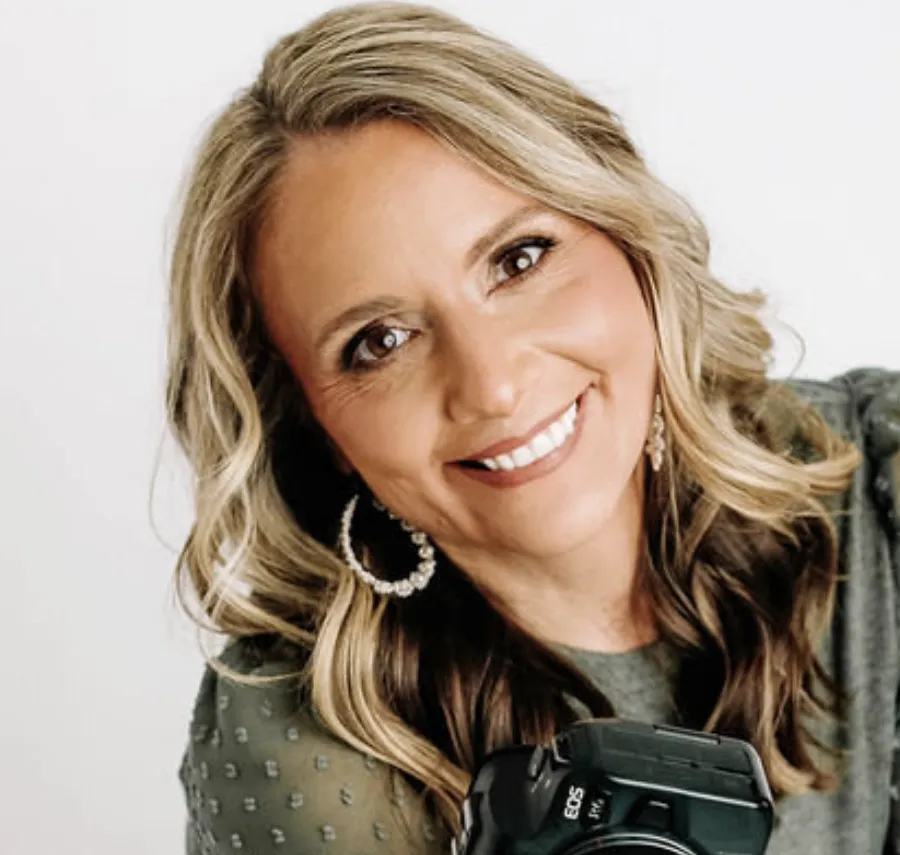
Sara Haines
Sara Haines Photography
"Booked 12 Weddings in 3 Months After Years of Nothing"
“I did workshops, mentorships—nothing delivered leads. Then I booked 12 weddings in just a few months. This was the first system that finally worked.”
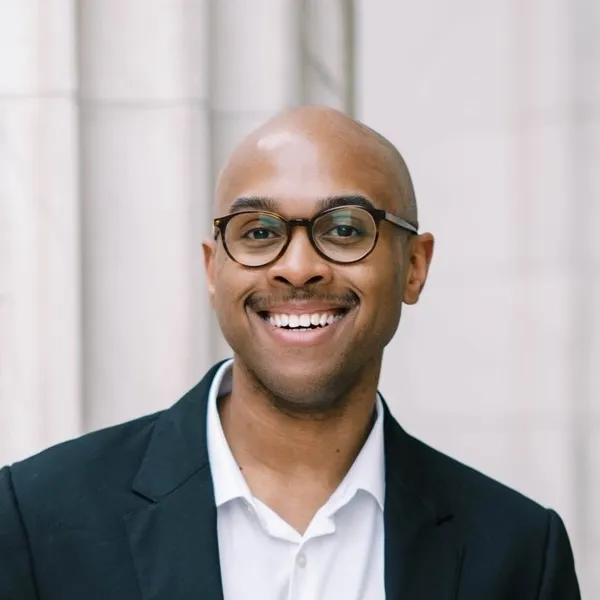
Jordan Gresham
JKG Photography
Trusted by 400+ more successful wedding photographers


Step Into the Future of Bookings
Join hundreds of wedding photographers using Icon to attract premium couples and fill their calendars with high-paying clients—months in advance.

© 2026 The Icon Agency
Ready to scale your wedding photography business?
Book a call with our team or start with the free training to see how we can help you fill your calendar with high-paying clients.