



How Megan Went From Almost Quitting to Booking Wedding Clients Above Their Budget
In fall 2022, Megan wasn't booking anyone and was close to giving up on her photography business. About six months after joining The Icon Agency, she had made $103,000 in sales. Her average booking had gone from under $4,000 to about $5,000, and one couple with a firm $4,000 budget booked her $6,000 package.
Interview by Peter Byram, Founder of The Icon Agency
Published Date: October 12, 2026

Interview by Peter Byram
Founder, The Icon Agency

Published:
October 12, 2026
Meet Megan (00:01)
Peter: We're back with another client, Megan of Megan LaChance Photography. Megan has an awesome story, and I'm excited to dig into it. Megan, introduce yourself and tell us how long you've been doing this.
Megan: I've been into photography pretty much since I was small enough to hold a camera. My dad was always the one taking pictures of our family, birthday parties and things like that, so I was always interested. I got my own camera in high school, and it started as a hobby, taking pictures of family and friends. I didn't really know what I wanted to do with school. Sitting in a normal classroom isn't really my thing. I have a creative brain. When COVID hit and I lost my job, my fiancé pushed me to pursue photography. He said, "Why don't you go into it slowly?" and I said, "No, that's not the type of person I am." I dove right in. This is about my second year full-time. The year before that, I shadowed a lot of photographers to learn how weddings work before I took on my own, because it's a big responsibility. Now I photograph about 15 to 25 weddings a year, closer to 25, plus couples. No families, just weddings and couples.
From Nanny to Full-Time During COVID (02:11)
Peter: What were you doing before you went full-time with photography?
Megan: I was a professional nanny for about 10 years.
Peter: Au pair or nanny? What's the difference?
Megan: An au pair is from another country. You live with the family, and they essentially pay for your living there, plus a small amount for working. It's great if you're into travel, but I'm a homebody, except when I travel for photography, and then I bring my fiancé with me.
Peter: Did you lose the job during COVID because the family was home?
Megan: Yes. The families I worked for lost their jobs, so they had to stay home, and if they're not making an income, they can't pay me. Luckily my fiancé was still able to work from home. I didn't really know what I was going to do, so I decided to make this work. It's been up and down ever since, but I'm learning as I go. There's always more to learn with photography.
Almost Giving Up (04:10)
Peter: Let's fast forward. We first talked in late 2022, right?
Megan: I think it was closer to October.
Peter: What was going on that made you want to talk with me?
Megan: I felt like I'd hit a roadblock. I was doing pretty well, but I didn't know where to go from there. There are a lot of resources out there, but not necessarily good ones. I wasn't really booking people, and I didn't have anyone coming in. I was panicking. I was this close to giving up, which is kind of sad. You're in a sea of people, and it's hard not to take that personally. I saw everyone else talking about how they were succeeding, and I wasn't. A friend of mine in Florida told me about you, and that was my saving grace. I was desperate and willing to do anything, and she told me to try it. So I did, and I haven't looked back. I'm so grateful.
When the COVID Overflow Dried Up (05:51)
Peter: You started during COVID, and you'd picked up another nanny job part-time while building the business. But 2022 was rocky. You were getting some clients, but not consistently?
Megan: When I started, I think around 2021, a lot of photographers had to reschedule weddings because of COVID. Photographers open their books a year in advance, so they were already booked for the next year, and then they had to move all these weddings into it. They were doing double the work for half the pay. It was a horrible time for them. But that's when I started, so my business took off pretty quickly. I think that's what confused me when it slowed down. I was getting people, and they were booking me, because everyone else was booked. Then that stopped, time caught up for everyone else, and I was back to competing with everyone.
Peter: There was all this pent-up demand, and a lot of the overflow trickled down. Then that ended, and you were left asking, "Now what?"
Megan: When things started to slow down, I panicked. I had to really figure out what sets me apart from everyone else.
Why She Took the Leap (08:19)
Peter: You knew your friend, but you were still a little on the fence. What made you take the leap?
Megan: A ton of people message me to add me to groups that do similar things. It can feel salesy. You get weird vibes, like they just want your money. Thankfully, that wasn't the case. It felt different talking with you. I liked getting your voice messages and texting back and forth. And having a friend push me helped. She showed me the boost in sales she'd had since working with you, and that pushed me over the edge.
Peter: She was in a similar spot to you, at the end of her rope, wondering whether to keep going. Then she took off. So what happened after you joined?
Megan: I was super excited and dove right in, listening to the videos and doing everything. Then things fizzled a little. I lost my train of thought.
Almost $30K in Her First Month (10:45)
Peter: What I remember is that you had a lot of success quickly. I think you had a $23,000 month right away?
Megan: It was almost $30,000, actually.
Peter: So in a very short time, you went from "I might have to shut my business down" to almost $30,000 in your first month working with us. But then it dropped off.
Megan: Things slowed down, and that was before I understood that business has ups and downs. I printed a visual. It's like a staircase, and it shows that even when you dip, you're still way above where you were. That's nice to look at. But the drop-off really freaked me out. I wondered what I was doing wrong. I kept working at it, though. I didn't give up. It's pretty easy to give up.
Peter: What gave you the initial success?
Megan: I think the excitement of starting everything. I'm also a Capricorn, so I'm driven and hardworking. I wanted to do even better than $30,000 the next month. But setting unrealistic goals really hurt me. When someone said, "Do even better next month," I took it literally, because I'm very black and white. Halfway through the month, if I was still at zero dollars, I felt like I was failing. It's hard not to get into that.
Peter: Someone on our team was trying to keep that fire lit, and sometimes pressure has the opposite effect. It's a fine line. So you came out of the gate hot and made almost $30,000 in your first month or so.
Megan: In December, I think, which is usually a slower month because everyone's paying for Christmas presents. I was shocked.
Laughed at Over Her Prices (13:46)
Peter: Then you started getting people on the phone, and they weren't saying yes.
Megan: A lot of people told me my pricing was too high. Hearing that over and over really defeats your positive outlook. I actually had one person laugh at me on the phone. I knew it wasn't going to work out because she said she didn't even want to spend $400 on video. I don't know where she was getting her information. Being laughed at made me think I was doing something wrong. But I stuck with it.
Peter: I remember that. You had a big month and then a drop, and I wondered what you'd do. And for context, you were working as a nanny, running your business and planning your own wedding, coming home from work and working on your business. Then a bride laughs at your price, and you're in your head about it. How did you recover?
Megan: Talking with my fiancé helped a lot. I'm a very emotional person. I cry when I'm happy, sad or mad. That's just how I am. Talking it through with him, and hearing from my close friends who are photographers, "It's happening to us too, it's not just you," was huge. Community over competition is really great. I cry about it, and then I get over it pretty quickly. So I kept going back to what I was doing: texting people and trying different first messages to see what they responded to. I was sending pictures of myself, and that wasn't getting anything, so I stopped. It was trial and error, figuring out what works and pushing through the negative moments.
From Under $4K to a $5K Average (20:12)
Peter: You're booking some high-end packages now. What have your results been since starting with us?
Megan: I was under $4,000 before I started, and I moved to around the $4,000 to $6,000 range. On average, people book about $5,000 with me. It's crazy to see that change. I've noticed I'm confident with my pricing, and I can communicate my value. I can say, "This is a big investment, but it's so worth it." I have a much easier time booking people now.
Peter: You said the shift in how you talk to people has been instrumental. Can you unpack that?
Megan: I have a bride getting married in the Dominican Republic next year. She hasn't booked me yet, but we've talked a lot. She has a lot going on in her life, and most of our phone call was her telling me about everything she's dealing with. I think she appreciated having someone who would listen and not try to sell her a package. It was about an hour of her venting and me saying, "I'm so sorry you're going through all of this." Having that connection and compassion, and listening, has helped people form trust more quickly than they normally would.
Peter: And in turn, they invest more with you.
Selling $2K Over a Firm Budget (22:36)
Megan: Last night, a couple told me their budget was $4,000 max, firm. I said, "Let's talk about my process and my style and see if we match. If everything feels good, we can dive into my pricing guide and go over it together." Before I show the pricing guide, I listen to what they want and recommend a package that works for them. They wanted eight hours, which starts at $4,800, already $800 over their budget. Once I showed them all my packages, they chose my $6,000 one, $2,000 over their firm budget. It blew my mind that I'm able to do that, and that people trust me. I never used to be able to do that. My first Zoom call with a couple was so awkward. I never heard from them, by the way.
Peter: A lot of people take a budget very literally: "This person won't spend more than this." You go through it anyway and help them understand, and the budget doesn't matter as much.
Megan: I give helpful budgeting tips, like ways to save on flowers instead of using a florist with a $5,000 minimum, or getting a cake from Sam's Club. The tip I give every couple before we start is to figure out their top one or two vendors and spend most of their money there. A lot of people say photography, because it's so important. Then they can allocate what's left to everything else. It sets a bar.
Peter: People who really crush it lean into the budget conversation instead of shying away from it. You're planning a wedding yourself, so you get it. Most people don't want to spend $100,000 and would rather put money toward a house. But they want an awesome day. So you help them figure out what matters most, and then get creative about saving elsewhere.
Megan: Here's something interesting. We run ads with a gift certificate offer, $100 or $500 or whatever it is. I haven't had to tell anyone they're a winner. The people I've booked recently don't even ask about it.
Peter: People think about ads so linearly: run a free engagement session giveaway, wait 30 days, pick three winners. But it's just a lead magnet, a way to bring couples into your world. Then you're just talking to someone about their wedding.
Megan: And when people come to me asking, "Did you pick a winner? Can I have a discount? Do you offer a military discount?", I find they're not really there for me. It doesn't matter how much we talk about value. Some people just won't be my couples.
Peter: Focus on the diamonds in the rough instead of getting bogged down. You're selling to consumers, not businesses with marketing budgets. Most couples have no idea what things cost, and you'll get all walks of life. Focus on your people, and you'll book.
Megan: A few weeks ago, a couple said they needed the weekend to think about it. I said, "Okay, I'll put a soft hold on your date, and if anyone else inquires, I'll let you know." About 10 minutes later, she messaged me: "I actually don't need the weekend. I'm going with you." Those are the couples everyone needs, the ones who say, "I don't need to see anyone else. I like you."
Peter: I can tell you have a confidence in how you communicate now. You're not wondering if they'll book. You're just telling them how it is, and because it's relaxed, people come back.
$103K Since Joining (30:07)
Peter: Can we get a number for what you've done since you started?
Megan: I didn't check since we started, but since the start of the year, I'm at about $65,000.
Peter: So about $65K in a little over three months, just Q1. You're on track to blow through $100K this year.
Megan: That's my big number. At minimum, I want to make at least $100,000. I want to hit six figures. Ideally, I'd be around $200,000.
Peter: You can totally do that, as long as you keep going. There will be more ups and downs, but you get more solid in knowing it's all part of it. So much of life is just being able to keep going. You've probably made close to $100,000 with us, since you did about $28,000 that first month.
Megan: Let me check. QuickBooks is pretty easy. It's $103,000.
Peter: So you've made about $100,000 in less than half a year.
Her Advice (32:17)
Peter: What's been the most transformative thing from working with us?
Megan: Learning how to talk to people, communicate my value and not get bogged down overthinking how I said something or getting distracted by the smaller things. The communication piece has been huge. In high school I was a very quiet introvert. I kept to myself. My parents and my fiancé say, "You're a whole different person, and we love this side of you." Learning how to talk to couples and pushing myself really brought me out. I used to feel very small, like I was brand new and didn't have much to offer. Now I go to a venue for the first time, and they say, "Oh, I've heard your name. I know who you are." It's like, what? People have heard of me in this state?
Peter: Most people think their problem is marketing, and often it is. But sales and marketing are two sides of the same coin. You can have great marketing, but if you can't communicate, nobody will book you. And you're on the high end for photo only.
Megan: Learning to communicate has taken a lot of self-work and trial and error, figuring out how to talk to people on calls. I have a system I follow now, so I don't feel panicked, because people can tell when you're panicked. If you don't know what you're going to say, write it out in bullet points and keep it in front of you on phone calls. You can't really do that on Zoom, but if it works for you, do it. It becomes second nature. It has for me. If I can do it, you can do it.
Peter: Everybody wants high-end clients. What would you say to someone who wants to book higher-end couples, but people don't always see the value?
Megan: That's a hard question. I think the turning point for me was when I stopped viewing myself as less than everyone else. I still have moments where I think about more experienced photographers in Maine charging $10,000 or more for a wedding. But I stopped viewing it as money. Obviously it is a lot of money, but in the spectrum of a wedding, it's a smaller part of everything else going on. I try to see it more as a connection with people, more like a friendship than a transaction.
Peter: Relational over transactional. I actually have that written down.
Megan: At some weddings I'm the most expensive vendor. If couples truly see the value and care about the experience, money isn't what they're thinking about. They can use a payment plan or figure it out down the line.
Peter: A couple of rapid-fire questions. What's your number one piece of advice for other clients of ours?
Megan: If you feel like it's not working, or the videos aren't your learning style, which is how I feel sometimes, break them into chunks. Listen to them while you're doing dishes. They're full of important information. And use trial and error. If something doesn't work, don't stick with it. Try something else. For example, put your starting price on your website for a month, then remove it the next month, and keep track of the difference. Just don't give up. Keep trying.
Peter: Keep iterating. Say another photographer is watching who feels like you did. She's thinking about giving up but doesn't want to, and doesn't know what else to do. What would you say?
Megan: I'm always available to answer questions. It's really easy to feel stuck and compare yourself to others and get into a horrible headspace, like I did. You're not alone. Comparing yourself is human nature. Put the blinders on and focus on yourself. Plug away at little pieces. Don't take on more than you can do. Little accomplishments are better than no accomplishments. Keep focusing on that and the end goal.
Peter: Thanks for hopping on, Megan. This will be inspiring for a lot of people who feel down and out. You can turn things around, and you're going to have your best year ever.
Megan: I'm so excited. I'm also launching my new website this Friday, so check it out. It's going to be a good year.
$103K
in sales in about six months
Almost $30K
in her first month, in December
$5K
average booking, up from under $4,000
$2K
over one couple's "firm" budget
Megan of Megan LaChance Photography has loved photography since she was small enough to hold a camera. For about 10 years, she worked as a professional nanny. When COVID hit, the families she worked for lost their jobs, and so did she. With her fiancé's encouragement, she went all in on photography.
Her timing was good at first. Established photographers were overloaded with rescheduled COVID weddings, so couples found Megan and booked her. Then that overflow dried up. By fall 2022, she wasn't booking anyone and was close to giving up.
Hearing "You're too expensive"?
We run the ads and teach you the sales process Megan used to go from almost quitting to $103,000 in sales in about six months.
A friend who had grown her own business with The Icon Agency told her to try it. Megan joined in the fall of 2022. Within about six months, she had made $103,000 in sales, including about $65,000 in the first three months of 2023. She learned to talk with couples about money in a way that builds trust, and now couples regularly book above the budget they first give her.
In this story
When the COVID overflow dried up
Almost $30K, then a drop
How Megan books wedding clients above their budget
Listening first, and letting the right couples come to her
From quiet introvert to confident on calls
Megan's advice for other photographers
Key Takeaways
Frequently Asked Questions
When the COVID overflow dried up
When Megan started, couples came to her because so many other photographers were booked.

"My business took off pretty quick, and I think that's what confused me when it started to slow down. I was getting people, and they were booking me, because everyone else was booked. Then that stopped." — Megan, Megan LaChance Photography
By fall 2022, she was back to competing with everyone.
"I wasn't really booking people, and I didn't really have anyone coming in. I was panicking. I was this close to giving up." — Megan
She'd been wary of the many programs that messaged her, but talking with Peter felt different, and her friend showed her the sales she'd made since joining.
Almost $30K, then a drop
Megan came out of the gate fast. In December, usually a slow month, she made almost $30,000. Then bookings slowed. Couples told her she was too expensive, and one laughed at her on the phone.
"Hearing that over and over really defeats your positive outlook. I actually had one person laugh at me on the phone." — Megan
She leaned on her fiancé and her photographer friends, and kept going. She tested different first messages to see what couples responded to, and dropped what didn't work. She also printed a picture of a staircase, a reminder that a dip still leaves you higher than where you started.
"At this point, they're laughing, and I'm not. I just move on." — Megan
How Megan books wedding clients above their budget
Megan's prices used to be under $4,000. Now her packages range from about $4,000 to $6,000, and couples spend about $5,000 with her on average. Recently, a couple told her their firm maximum was $4,000.
Here's what he does now in the last few minutes of the call:
Hear them out before showing prices. "Let's talk about my process and my style and see if we match. If everything feels good, we can dive into my pricing guide."
Recommend a package based on what they want. They wanted eight hours, which started at $4,800, already above their budget.
Walk through every package. Once she showed them all her options, they chose her $6,000 package, $2,000 over their "firm" budget.
Give real budgeting help. She tells every couple to pick their top one or two vendors, put most of their budget there, and save elsewhere, like finding alternatives to florists with high minimums or getting a cake from a wholesale store.
"It blew my mind that I'm able to do that, and people are able to trust me. I'm able to communicate that value to them. I never used to be able to do that, honestly." — Megan
Listening first, and letting the right couples come to her
One bride getting married in the Dominican Republic spent most of an hour-long call telling Megan about everything going on in her life. Megan just listened.
"Having that connection and that compassion, and listening to people, has really helped people form trust quicker than they normally would." — Megan
She's also learned which conversations to let go. Couples who focus first on discounts usually aren't her couples. Her ads use a gift certificate offer, but the couples she's booked lately haven't even asked about it.
When one couple wanted the weekend to decide, Megan offered a soft hold on their date. Ten minutes later, the bride messaged: "I actually don't need the weekend. I'm going with you."
Ready to stop hearing "That's over our budget"?
In fall 2022, Megan wasn't booking anyone and was close to giving up. About six months later, she had made $103,000 in sales, with an average booking around $5,000. If you're stuck competing on price, let's look at where your business is now and whether the program is the right fit.
From quiet introvert to confident on calls
Megan says the biggest change from working with The Icon Agency has been how she communicates.
"I was a very quiet introvert. People who know me, my parents and my fiancé, are like, 'You're a whole different person.'" — Megan
Her first Zoom call with a couple was so awkward she never heard from them again. Now she has a system for her calls and keeps bullet points in front of her when she needs them. And she's starting to be known.
"I go to a venue for the first time, and they're like, 'Oh, I've heard your name. I know who you are.' It's like, what?" — Megan
She stopped seeing her price as a scary amount of money and started seeing it as one part of the whole wedding, and her work with couples as more of a friendship than a transaction.
Megan's advice for other photographers
Learn in small chunks: "If the videos aren't your learning style, break them up into chunks. Listen to them while you're doing dishes. They're very important pieces of information."
Test and keep track: "If something doesn't work, don't stay with it. Try having your starting price on your website for a month, then remove it the following month and see the difference."
Put the blinders on: "It's really easy to feel stuck and compare yourself to others. Just put the blinders on and focus on yourself."
Count the small wins: "Don't take on more than you can do. Little accomplishments are better than no accomplishments."
Key Takeaways
A slow stretch after a strong start doesn't mean the business isn't working.
A stated budget is a starting point, not always the final number.
Hearing what couples want before showing prices helps them see the value.
Real budgeting help builds trust before you talk about your own price.
Couples focused only on discounts usually aren't the right fit.
A simple call system makes sales conversations easier, even for introverts.
Frequently Asked Questions:
How do I book wedding clients above their budget?
Megan listens to what a couple wants before showing prices, recommends a package that fits, and then walks through every option. One couple with a firm $4,000 budget booked her $6,000 package.
What should I say when a couple tells me their budget?
Megan says, "Let's talk about my process and my style and see if we match." She also helps couples decide which one or two vendors matter most, so they can put most of their budget there.
What do I do when couples say I'm too expensive?
Megan heard it often after her first month, and one couple laughed at her. She kept refining her messages and calls, and her average booking rose to about $5,000.
I'm thinking about giving up on my photography business. What should I do?
Megan was close to giving up in fall 2022. About six months after joining, she had made $103,000 in sales. She suggests focusing on your own progress and counting small wins.
How do I get comfortable on sales calls if I'm an introvert?
Megan follows a simple system and keeps bullet points to look at during phone calls. She says it became second nature.
Should I list my starting price on my website?
Megan suggests testing it. Show it for a month, remove it the next month, and track the difference.
More Client Stories

Built a $150K Wedding Business With 40 Bookings
“I started from scratch in 2018. Now I’ve got 40 weddings booked, a team of 10, and we’re pulling in $150K+ a year consistently—even through the chaos.”

Julian McFadden
JM Weddings
"From full-time teacher to $500k/year in 1.5 years"
“I went from struggling to fill my calendar… to being fully booked for 2025, making over $500K in wedding revenue—with systems that keep growing.”
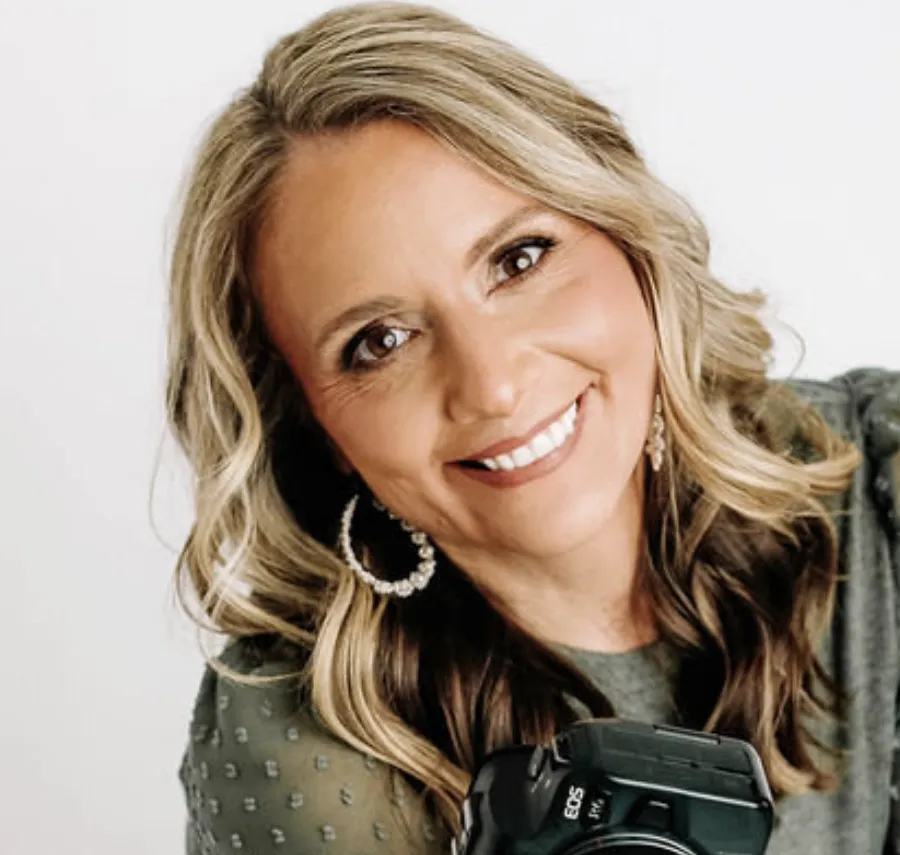
Sara Haines
Sara Haines Photography
"Booked 12 Weddings in 3 Months After Years of Nothing"
“I did workshops, mentorships—nothing delivered leads. Then I booked 12 weddings in just a few months. This was the first system that finally worked.”
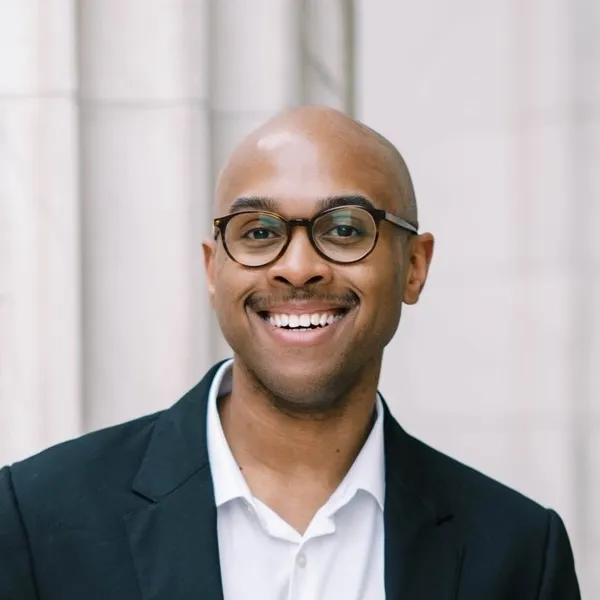
Jordan Gresham
JKG Photography
Trusted by 400+ more successful wedding photographers


Step Into the Future of Bookings
Join hundreds of wedding photographers using Icon to attract premium couples and fill their calendars with high-paying clients—months in advance.

© 2026 The Icon Agency
Ready to scale your wedding photography business?
Book a call with our team or start with the free training to see how we can help you fill your calendar with high-paying clients.