



How Jo Mahaney Went From
15 Weddings a Year to 80 Contracts and a Team, and Now Shoots Just 3 of 30
Jo was a corporate marketer shooting weddings on the side in Central Virginia. In her first year with The Icon Agency, she signed 80 contracts, tripled her close rate and built a team. Two years in, she decides which weddings she shoots and spends afternoons with her kids.
Interview by Peter Byram, Founder of The Icon Agency
Published Date: October 5, 2026

Interview by Peter Byram
Founder, The Icon Agency

Published:
October 5, 2026
Jo's Background: A Side Business Alongside a Corporate Career (00:00)
Peter: Today I'm joined by Jo Mahaney of Photography by Jo. Jo has an awesome story. Give everyone a quick intro.
Jo: I'm a wedding photographer based in Central Virginia. I've been behind the camera for about 10 years, but I've only been seriously running the business at this scale for two or three years. I opened the business when I was graduating college, and I stepped back when each of my two kids was born. I had a corporate marketing career and did weddings on the side. Some years I'd do 15, some years four. It was always a licensed professional business, but it wasn't the focus of my life. That shifted when we started working together.
Why Jo Wanted to Go All In (01:42)
Peter: What was going on two years ago that made you want to talk?
Jo: I was getting some organic traction and a few luxury bookings that made me excited to do more of that. There was also more friction at work. I realized I couldn't keep working a full-time corporate job and doing weddings on the side unless I was making substantially more from fewer weddings. I had a six-month-old, and I needed more time at home. What do we work for, if not to have a life? So the goal was to get enough visibility to book at a higher price point.
My organic leads, mostly from SEO, were also slowing down. In our first year together, leads were about 50% from Meta ads, 30% organic, and 20% referrals from planners and word of mouth. Over the last six months, it's shifted to about 80% to 85% Meta. Google has been less effective. Some of what I used to write would show up in Google snippets, and now it's an AI overview that doesn't link to people the same way.
The Result: 80 Contracts in the First Year and a New Team (04:43)
Peter: You were doing 10 to 15 weddings a year. Where were you a year later?
Jo: We signed 80 contracts in the first year. About four or five months in, I realized I was getting good at sales, and my colleagues were struggling to book weddings. With Meta leads, I'd sometimes be working three or four leads for the same date, so I'd be wasting effort. It became less about how many weddings I could book myself and more about pairing a lead with a great photographer who otherwise wouldn't have found them. So I started growing a team about four months in. It wasn't on the vision board, but it came from your team's encouragement and coaching.
When we rebranded, I got the whole team together for a photoshoot. One of my associates thanked me for putting food on their table during a slow season, because I'd given them some winter weddings. Everyone won.
How Jo Went from a 20% to 60% Close Rate (07:43)
Peter: You went from never running Meta ads to booking 80 weddings in 12 months, without being an experienced salesperson. How?
Jo: Most of those 80 came in the latter part of the year. A lot of the beginning was unlearning bad habits. I had misconceptions about red flags in leads and how to run a consultation. I learned that a lead I would have called unqualified often just isn't there yet, or I haven't shown them something yet. The group coaching was one of the best parts. You sit with other photographers and videographers who are struggling with the same things and go through lead conversations line by line.
And with the volume of leads from Meta, I didn't have a scarcity mindset, so I could boldly test and learn through trial and error. Once I started treating sales as a daily activity, with daily outreach, daily follow-ups, and tracking my conversion rate, everything changed. I tracked my close rate on consult calls, analyzed the ones that didn't close with your team, and went from a 20% close rate to 60% in the first couple of months.
I never thought of sales as such a big part of a photographer's role, but you have to treat it as almost the main job. If you let off the gas, you'll feel it 60 or 90 days later and wonder what happened.
Peter: People get into this industry because they're creatives who love cameras. But being good at your craft isn't the same as running a successful business. You need sales, marketing, and operations too.
Jo: At first, I struggled because the ads didn't sound like me or my brand. But I decided to trust a proven process that's been done hundreds of times, collect the data, and make changes based on it. Not many creatives use data to make decisions, and your team is great about pushing us on what to track.
Peter: If you're only having five consults in 90 days, you won't book 80 weddings. Getting to $300K, $500K, or seven figures comes down to having way more conversations. Your brand, word of mouth, and referrals will only take you so far.
Hitting a Wall: When Growth Breaks the Business (17:01)
Jo: In Virginia, we have two busy seasons: spring, from April to June, and fall. Last July, I was coming off spring, and I almost died from the editing. I went from shooting 10 to 15 weddings a year by myself to shooting almost 50 of the 80 we booked. I was doing all the editing, admin, wedding prep, and timeline prep, and I was managing people for the first time. It was a hot mess. My associates just showed up and shot. I had no day-to-day help. Something had to give, or I wouldn't survive the fall, and I couldn't keep bringing in consistent sales while shooting every other wedding.
So we looked at what help I needed. I brought in a VA, got help with social media, switched to an editor who could handle more volume with faster turnaround, and got help with album sales. Having someone else handle reviews and upsells added a whole new level of income without taking my time. We built SOPs so I wasn't doing low-value work like writing captions or answering questions about invoices.
Peter: You sort of have to break your business before you can fix it, because it doesn't make sense to solve problems that don't exist yet. It's about buying back your time so you can spend it on higher-leverage activities.
Buying Back Time with a VA (21:11)
Jo: My VA was instrumental. If you're not used to running ads, Meta leads mean a lot of people and a lot of follow-up, and you have to stay organized. Having someone else be the first point of contact made it systematic instead of emotion-driven. As the owner, I have days when I'm thrilled, days when I'm low, and days when I'm traveling and unavailable. Speed to lead is really important, and having someone handle daily touchpoints with leads has made us much less up and down with sales and income.
Last week, I went on vacation with my family, and it was chaotic. There was no time to check messages. My VA spent about an hour a day on lead follow-up for five business days, and I came back to 10 calls booked for this week. It took a lot of training, but it's by far the best investment I've made in a person. Instead of coming back to an empty calendar, I came back to couples who'd already received my view book and were excited to talk to me.
Peter: Lead management is the first thing to dial in, because it directly impacts revenue. If you get 20 hours a week back and book one more wedding with that time, it pays for itself.
What Jo's Business Looks Like Today (24:37)
Jo: This year, I decided I want to physically shoot fewer weddings. My team will be the first option, and I'll be the premium option that comes out more rarely. I'm still finishing the weddings I booked when I was the primary package, but next year, we have about 30 weddings booked so far, and I'm scheduled for only three. I got to hand-pick those, and one is a destination wedding.
This summer, with my kids off school, I spend the first couple of hours of the day in sales mode, then check in with my editor, and then we go to the pool or the caverns. I'm meeting with my team members to see who wants more weddings, and one told me they could probably double what they're doing for me. My VA handles everything that had me underwater last year, like contacting planners and clients for timelines and shot lists, on a scheduled task list linked to a Notion dashboard the whole team can see. I only step in for quality control or if something goes wrong.
Peter: That's nirvana for a lot of people. You have 30 weddings booked that cover your expenses, and you get to cherry-pick the ones you shoot. Your business makes money whether or not you shoot a wedding, and most people in this industry don't have that.
Why Hiring Experts Pays for Itself (28:07)
Peter: What would you say to someone doing around $100K who didn't know this was possible?
Jo: Pull the trigger sooner on hiring experts. Every time I've done that, it's bought back my time and been so worth it. Working with you on marketing, ads, and sales coaching has had a huge impact on our life. My VA does lead follow-up better than I did, because it's her job and she's systematic, rather than me as the owner dipping into 50 different roles. A lot of people are nervous because there's no guaranteed ROI, or they've had a bad experience with an editor. Managing people is an art. You have to meet with them often and give feedback. Good help is made more than found. But it's probably closer for most people than they think.
Peter: Growth costs money. It's about investing strategically, in the right order. Ask yourself: if I spend money to get back 20 to 40 hours a month, could I book one more client with that time? If so, that's how you scale. You're using money to create leverage, not just time.
Jo: It bought back time and made us more money very quickly. When I was doing everything myself, burnout happened so fast that I became a less effective salesperson, and I wasn't serving my clients or my family as well. You can't do anything at 100% when you're burned out.
Jo's Advice: Be a Salesperson Before a Photographer (34:40)
Peter: Say someone is doing about $100K a year and feels stale. They want to shoot less and charge more but don't know what to do. What's your number one piece of advice?
Jo: Get curious about why things are the way they are: what's working, what's not, and what you want next. Then relentlessly go after conversations with leads, and become a salesperson before a photographer. It won't change unless you change something massively. A lot of people stay stuck in attraction marketing, thinking their brand will bring the right people. When I shifted to proactively prospecting, everything changed. DM every follower who likes your stuff and start conversations constantly. There's a lot of gold in the leads that aren't ready yet.
Peter: And what would you say to someone on the fence about working with us?
Jo: It's transformed my whole life, and it's easily the best money I've ever spent. I remember being so nervous. I looked up the people in these interviews on Instagram to make sure they were real, because it felt too good to be true. I didn't expect to become a success story. I just wanted consistent income. It took me a little longer than most to book my first client from the Meta ads, but the coaching was effective right away, because I got better at selling to my organic leads too. I learned to sell in a way that isn't sleazy: get curious, meet people's needs, and show them why you're irresistible.
Peter: So much of the industry just sends a pricing guide. We focus on a consultative approach: learning what couples really want and need, and sometimes presenting different packages based on that. It's subtle, but it makes a big difference.
80
contracts signed in her first year, up from 4–15 weddings a year
20% → 60%
consultation close rate within her first few months
10
sales calls her VA booked while Jo was on vacation
3 of 30
2027 weddings Jo is shooting herself. Her team covers the rest.
Jo Mahaney, founder of Photography by Jo, has been behind the camera for about 10 years and runs her studio in Central Virginia. For most of that time, photography was a side business. She had a corporate marketing career and shot anywhere from 4 to 15 weddings a year, scaling back each time one of her two kids was born.
About two years ago, she'd booked a few luxury weddings that made her want more. She was also feeling friction at work and had a six-month-old at home, and she wanted to spend more time with her family. But her Google traffic was slowing, and she didn't have enough leads to make photography her main job.
Doing well but stuck doing everything yourself?
We run the ads and coach you on sales and systems, the same approach Jo used to go from shooting most of her weddings to shooting 3 of 30.
She joined The Icon Agency in the fall of 2024. In her first year, she signed 80 contracts. Her consultation close rate went from 20% to 60% in the first few months, and she built a team of associate photographers. After an exhausting summer, she hired help: a VA for lead follow-up, plus support for social media, editing and album sales. Now about 30 weddings are booked for 2027, and Jo is shooting three of them.
In this story
SEO slows, Meta takes over
Learning sales from scratch
80 contracts and a team
Buying back her time
Choosing which weddings she shoots
Jo's advice for other photographers
Key Takeaways
Frequently Asked Questions
SEO slows, Meta takes over
Jo had grown her business through Google. But Google is changing. Articles that used to land her in featured snippets now get summarized in AI overviews, and the overviews don't link to her site the way search results used to.
In her first year with The Icon Agency, about half her leads came from Meta ads, about 30% from organic search, and about 20% from referrals and planners. Over the last six months, ads have grown to 80% to 85% of her leads.

"I was starting to get some organic traction and had a few luxury bookings that made me really excited to do more of that. The main goal was to get visibility, so I'd have enough leads to book at that higher price point." — Jo Mahaney
Learning sales from scratch
Jo's first year wasn't quick. It took her longer than most clients to book her first wedding from the ads, and most of her 80 contracts came in the second half of the year. First, she had to unlearn some habits.
"I had a lot of misconceptions about lead red flags that no longer bother me. Something I thought made someone an unqualified lead often just means they're not there yet." — Jo Mahaney
Three things made the difference:
Group coaching. She sat with other photographers and videographers and went through real lead conversations line by line.
Volume. With plenty of leads coming in, she could try new approaches without worrying about losing every couple.
Tracking. She measured her close rate on consultations and reviewed the calls that didn't book with the team. Her close rate went from 20% to 60% in the first couple of months.
The coaching helped right away, even before the ads started booking. Her sales to couples who found her organically improved almost immediately.
"I never thought of sales as such a big part of a photographer's role. But you have to treat it like it's almost the main job. If you let off the gas, you're going to feel it 60 to 90 days from now." — Jo Mahaney
80 contracts and a team
About four or five months in, Jo noticed something. She was getting good at sales, while photographers she knew were struggling to book. Ads also brought her several couples for the same date. Instead of turning them away, she started matching those couples with other talented photographers, and a team took shape.
Here's how her first year went:
80 contracts signed, up from 4 to 15 weddings a year
A team of associate photographers built about four months in, which wasn't part of her original plan
A rebrand from "Photography by Jo" to a studio brand that features the whole team
Winter weddings handed to associates during the slow season
"One of my associates thanked me for putting food on their table during a slow season. It felt really good to be able to do that, and to know we made great photos for a fun couple. Everyone won." — Jo Mahaney
Buying back her time
The growth came at a cost. In 2025, Jo shot nearly 50 of the 80 weddings herself. She handled all the editing and admin, plus managing people for the first time. Her associates showed up, shot, and left. By midsummer, she was burned out.
"Something had to give, or I wasn't going to survive the fall. And how can I keep being a consistent salesperson and bringing in consistent cash if I'm at every other wedding?" — Jo Mahaney
So she started building systems and handing off work, one piece at a time:
A VA for lead follow-up. Couples who come in through ads need consistent follow-up. Jo's VA handles first contact, sends the view book, and books calls on a set schedule. Jo says her VA does it better than she did herself, because it's systematic and doesn't depend on mood.
Help with social media and admin. She stopped writing captions and answering invoice questions herself.
A faster editor. She switched to an editor who could handle more weddings with quicker turnaround.
Help with album sales. Someone else now handles reviews and album upgrades, which added a whole new source of income without taking her time.
Pre-wedding planning on a schedule. Her VA contacts planners, collects timelines and shot lists, and tracks it all in a Notion dashboard the whole team can see.
"I went on vacation with my family last week. There was no time to check messages. My VA spent about an hour a day on lead follow-up, and I logged in on Monday to 10 calls booked." — Jo Mahaney
Ready to build a studio, not just a schedule?
Two years ago, Jo was a corporate marketer shooting 4 to 15 weddings a year on the side. Today she leads a team, has about 30 weddings booked for 2027, and shoots just three of them. If you're around six figures and stuck doing everything yourself, let's look at where your business is now and whether the program is the right fit.
Choosing which weddings she shoots
Two years in, Jo's role has changed. She's finishing the last of the weddings she booked back when she sold herself as the main photographer. For 2027, about 30 weddings are booked so far, and she's shooting three of them, including a destination wedding. Her team handles the rest. She's now the premium option, so she gets to choose the weddings she takes.
Her work week is hers to design. She spends the first couple of hours each day on sales, checks in with her editor in the afternoon, and then takes her kids to the pool or the caverns. She's also talking with her associates about who wants more work. One associate told Jo she could double the number of weddings she shoots for the studio.
"Pull the trigger sooner on hiring experts. Every time I've done that, it's bought back my time, made my life better and been so worth it." — Jo Mahaney
Her one caution: good help has to be trained and coached. "Good help is made more than it's just available to hire."
Jo's advice for other photographers
Become a salesperson before a photographer: "It's not going to change unless you change something big." Talk with leads every day, message people who follow you, and start conversations all the time.
Don't write off leads who aren't ready: "There's a lot of gold in the leads that aren't ready yet." Many need a few weeks of follow-up and some guidance.
Track your numbers: Measure your consultation close rate and review the calls that don't book. Data should guide your decisions, not your mood.
Spend money to buy back time: Hiring help pays off faster than you'd think, especially when you're burned out and not doing your best work.
If you're on the fence: Jo was skeptical too. She looked up past clients from these interviews on Instagram to make sure they were real. "It's easily the best money I've ever spent."
Key Takeaways
As Google moves to AI overviews, organic search is bringing in fewer leads. Meta ads now bring in most of Jo's.
More leads let you try new approaches on calls without worrying about losing every couple.
Tracking and reviewing consultations took Jo's close rate from 20% to 60%.
Booking several couples for the same date can be how a team gets started.
Hire help for lead follow-up first, because it affects revenue directly.
Frequently Asked Questions:
How do wedding photographers build an associate team?
Jo started when she had several couples asking about the same date. She matched them with photographers she trusted and gave her associates winter weddings to keep them busy in the slow season.
Is SEO still working for wedding photographers?
Less than it used to for Jo. Google's AI overviews don't link to her site the way search results did, and Meta ads now bring in 80% to 85% of her leads.
How can I improve my consultation close rate?
Track it. Jo measured her close rate, reviewed the calls that didn't book in group coaching, and went from 20% to 60% in a few months.
Should a wedding photographer hire a VA?
Jo says it's been her best hire. Her VA handles lead follow-up and planning with couples before the wedding, and booked 10 calls while Jo was on vacation.
How many weddings can one photographer handle?
Jo shot almost 50 in one year and burned out. Now her team shoots most of her weddings, and she's shooting 3 of about 30 booked for 2027.
How long does it take to book from Meta ads?
It took Jo longer than most to book her first wedding from ads, but the coaching improved her organic sales right away. She signed 80 contracts in her first year.
More Client Stories

Built a $150K Wedding Business With 40 Bookings
“I started from scratch in 2018. Now I’ve got 40 weddings booked, a team of 10, and we’re pulling in $150K+ a year consistently—even through the chaos.”

Julian McFadden
JM Weddings
"From full-time teacher to $500k/year in 1.5 years"
“I went from struggling to fill my calendar… to being fully booked for 2025, making over $500K in wedding revenue—with systems that keep growing.”
Sara Haines
Sara Haines Photography
"Booked 12 Weddings in 3 Months After Years of Nothing"
“I did workshops, mentorships—nothing delivered leads. Then I booked 12 weddings in just a few months. This was the first system that finally worked.”
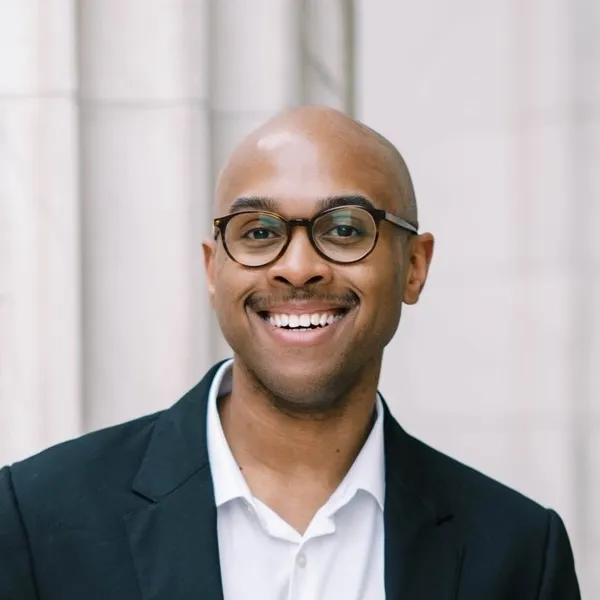
Jordan Gresham
JKG Photography
Trusted by 400+ more successful wedding photographers


Step Into the Future of Bookings
Join hundreds of wedding photographers using Icon to attract premium couples and fill their calendars with high-paying clients—months in advance.

© 2026 The Icon Agency
Ready to scale your wedding photography business?
Book a call with our team or start with the free training to see how we can help you fill your calendar with high-paying clients.