



How Running Wild Studio Went From $18K to $107K in Seven Months Booking Adventure Elopements
Two moms with full-time jobs, a thin portfolio and one lead every couple of months turned their side business into a studio booking elopements in Italy, Scotland and across the Pacific Northwest.

Interview by Peter Byram Founder, The Icon Agency

Published:
September 23, 2026
Sanne and Brooke's Background and Starting the Business (00:00)
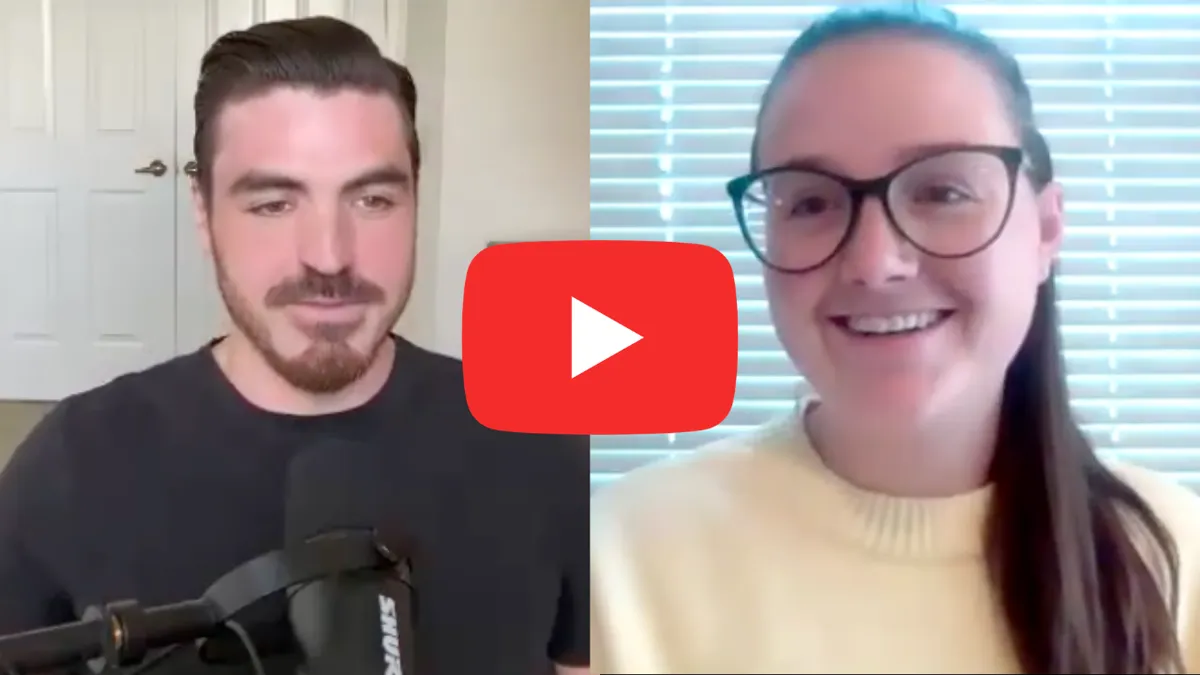
Peter: All right, what's going on, everyone? Peter Byram here, and I'm back today with two amazing clients of ours: Sanne and Brooke of Running Wild Studio, an adventure elopement brand out of the Seattle area. I'm genuinely excited to have you here. It feels so good to hop on, tell this story, and celebrate you. Before we go any further, tell us a little about yourselves and how you got into this business.
Sanne: It's kind of surreal for me, because a year ago I was watching these videos of other people, and now we're the ones sitting here. This is huge.
Peter: It is kind of trippy to be where you are. When did you start your business?
Brooke: Technically, we started about two or two and a half years ago, but we didn't really start doing elopements until last year. So it's crazy that we're here.
Sanne: When we reached out to you, I think we had four or five elopements for that summer season. That quickly turned into 10, and then it just kept going into the next year.
Peter: I remember now, Sanne, we'd been talking for a while. It was months before we actually got on a call.
Sanne: We talked for about half a year while you sent me stuff and inspiration. I thought, "This sounds kind of legit. I want to try it." Then I brought it to Brooke, and we were both freaking out: "What did we do?" But obviously it was the best decision ever.
The Real Problem: Not Enough Leads, No Way to Reach People (02:27)
Peter: What was going on in your business that made you want to talk to me?
Brooke: Honestly, we saw other people killing it when it came to making money, and we knew we could do it too, but we didn't know how to get there. And we didn't have time to run our own ads. Sanne had run our ads before, and they didn't do that well. That's not on Sanne. Running ads is a skill set. Sanne had been following you, and she was inspired by the return on investment your clients were getting. We saw other elopement photographers bringing home $300K, and one company made a million dollars. We knew we could do it, but we didn't know what we needed to do to get there.
Peter: So what was the problem? Was it needing more inquiries? What I'm hearing, Brooke, is that you wanted a cohesive blueprint of what to do.
Sanne: Yes. Inquiries were very irregular, because we'd just started the business. We didn't show up on Google, and our Instagram account had about 200 followers. We didn't know how to reach out to leads or engage with people. We had imposter syndrome and felt too scared and silly to reach out. Starting last January, I think we got maybe one lead every two months, and that's just not enough to make a living. We both wanted to go full-time as soon as possible, so how do we get there?
Peter: That was the other thing. When we first connected, you both had full-time jobs, and a big goal was to get out of them. That's probably coming up pretty soon now.
Brooke: Definitely. This will be our full-time job, probably starting in spring. My husband is really good with finances, and he made us a projection. In 2024, we'll actually bring home real money. This year, we're still building, but it's only going up from here.
Starting with Almost No Portfolio and Selling Anyway (09:03)
Peter: Just backing up, you'd been in our world for a bit, you were pretty new to this business, and you still had jobs. You knew you wanted to be in the adventure elopement niche. You had a website and a portfolio, but even with that, there weren't many leads coming in. You'd get a couple a month, and bookings were sporadic. Is that right?
Brooke: That's correct, except we didn't really have a portfolio. We had a few examples, but we'd only started elopements last year. Having work to show this year has helped, because before, we had maybe two styled shoots. It was really hard to sell last year: "Here are the two styled shoots we did." If I could give anyone advice, it's that a killer portfolio will help you sell. One of the main things we go over on our calls, and I'm giving away secrets here, is showing couples how we deliver a gallery. That really helps us sell, because it gets the couple inspired. They start picturing themselves doing it as they look through the gallery.
Sanne: We pick the gallery based on what they tell us they want for their day. If they say, "We want forests and trees and waterfalls," we show a gallery that has that. Sometimes we don't have one like that, but when we do, it helps them envision what's possible for their day. It also helps a lot with selling higher packages. Once they see what's possible, they forget about the four-hour package, which is our lowest.
Peter: If you show people what they want, whether it's mountains or whatever, they start to see themselves in it. But everybody has to start somewhere without that. In the beginning, you just had to keep pushing, getting people on calls, and getting them booked.
Brooke: If you're in the situation we were in last year, it's about having a good mindset, which Peter coaches on, and selling what you do have. It's easier for Sanne and me to sell now because we shot a bunch of elopements last year that we can show people. Last year we really didn't have anything to show, and we were still selling, just not as much. So it's all about mindset. If you want to get into elopements but don't have much content, doing styled shoots is a good way to get started.
Being Skeptical, and What Changed Their Mind (12:12)
Peter: Brooke, do you remember the first time we chatted? It's funny to look back on now, because you were kind of skeptical. Sanne was on board because she'd been following along, but you and I had never talked. Can you speak to that?
Brooke: I was very skeptical. Sanne and I are like this a lot in our business. She calls me Negative Nancy, because she says yes to everything, and I step back, look at it, and ask, "Is this legit?" Sanne said, "I saw this guy on Facebook, and he said he could make us six figures," and I said, "That sounds like a scheme, Sanne." It's not, guys. But I wanted to get you on the phone and do my homework, because I didn't want to throw money away. At that point, our business had only made about $18,000, so throwing money away wasn't an option. I was super skeptical, but we got Peter on the phone. You already had a contract, but I had you change it a little, because I wanted to cover us in case this wasn't real.
It worked out. At the end of the meeting, I told Sanne, "Okay, I'm trusting you." I think we agreed to do three months with you, and I said that if it didn't go well, we wouldn't renew. We did three months, it went well, and we asked, "Can we please keep working with you?" To everyone watching, I don't think being skeptical is a bad business strategy. Sanne and I make a good team because she gets really excited about things, and I make sure we're not getting ripped off. There's stuff out there you need to be cautious about, but Peter isn't one of them.
Peter: I totally get it, and doing your due diligence is smart. It's just funny looking back now.
The Result: $18K to $107K in 7 Months (15:14)
Peter: For everybody listening: when you came in, your business had made about $18,000. This was in May 2022, seven months ago. You weren't getting many inquiries, and bookings were inconsistent. Where are you now? What does the business look like today?
Sanne: A lot has happened. We're talking to people every day, whether it's leads from your ads, people who find us on Instagram, or people we follow and reach out to. In the beginning, we were very insecure and too scared to reach out and actually ask, "What do you need? What are you looking for?" Now if they say, "I'm not sure," we send them options, and we'll even say, "Even if you don't go with us, we're willing to help you figure it out." We noticed on all these calls that a lot of people don't know what they want. Thanks to you, we got better at selling them on our vision for their wedding while still making it their wedding.
For example, we had a call with a couple, Atlanta and Tyler, who didn't have the biggest budget. Tyler was totally into fly fishing, and as soon as we mentioned that he could fly fish on their wedding day, they were sold. Working in the guys' activities and what they like to do has helped so much. It's about listening, finding different ways to sell better, and coming up with new ideas for couples. When you do that, they warm up to you and are open to hearing your ideas.
Brooke: The business is still very new, so it's constantly changing. We're implementing new things. Sanne and I now have a business meeting every week, and we just hired a tax person. It's becoming legit, and it's become a 60-plus-hour-a-week company we have to run. But our numbers are really great. We've booked at least two elopements every month, and our highest month so far was five. So we're consistently booking, and I think that comes down to a few things. One is the ads Peter is running. Another is how we sell. We took a lot of our sales strategy from Peter's advice and adapted it for elopement photographers, like showing couples galleries.
This coming year, we want to get our SEO going and get into videography. Honestly, we're growing to the point where there aren't enough hours in the day to handle it all, so the goal for 2024 is to make enough to hire someone, maybe for social media. In 2022, the company made $107,000, and when we hired Peter in May, we were at $18,000.
Peter: That's a rocket ship. And to plug you again, today, at the time of this recording, is January 19, 2023, and you've already done $35,000 in new sales this month. That's insane, and there are still two weeks left.
Raising Prices Gradually as Confidence Grew (20:38)
Peter: When you came in, you were selling elopements for about $2,000 to $3,000, right? What are you selling them for now?
Sanne: Our four-hour package starts at $4,600, but that one hardly ever sells, so most of our bookings are around $6K.
Brooke: If you're just starting out, I don't advise starting super high. Sanne and I started low when we didn't really have a portfolio, because that gets people in. Then you get better, your portfolio grows, and you can go up. Now we're talking about raising our prices every other month, but we didn't start there, and that's okay. You'll eventually get there.
Sanne: We started out selling our packages super low, around $2,500 for an elopement package, which wasn't even a living wage for the amount of work involved. Every time we raised the price, we wondered whether it would still work. We kept raising it every three months, and we were like, "Holy crap, this actually works." Each time, we believed it was worth the price, because it is worth it for everything we do. A lot of people don't know that we do all the planning and location scouting, and we keep track of everything. So much more time goes into it. Believing in ourselves helps so much when we're selling to clients too.
Peter: Some people with a small portfolio, who haven't worked with many clients, want to charge $6K or more for a traditional wedding. That's not the right way to start. You can get there, and it won't take long, but in the beginning, focus on getting clients and making it easy for people to say yes. Then raise your price once you have momentum, instead of having no clients and wanting to charge six grand. And one of the big things I've seen with you guys is that momentum. Every month, you just keep going.
Helping Undecided Couples Find Their Date and Vision (26:10)
Sanne: I get this question a lot: how do you get your ideal clients? We try to steer couples in a certain direction, and you can always do that. I love elopements with fewer than five people, but I know that's not realistic for us to make money. It's too specific. So with groups of 15 to 25 people, we try to sell them on the two-day package. I know we're not supposed to talk that much on the consultation, but we talk a lot, and couples actually like it, because we deep dive into exactly what they can do with each package and give them a vision of how to use those hours. That has helped a lot with selling the two-day package, especially to bigger groups.
Peter: When people are newer to sales and marketing, they often try to fit people into their perfect thing. They have their service and their package, and they try to get people to fit into it. What I'm hearing is that you shape it with them. People don't always show up ready to buy exactly what you offer. You work with them to get there. You've done that with couples who don't even know what month they want to elope, helping them figure that out and pick the location. So many people wait for someone to show up with every box ticked, asking where to sign. It's not that easy. You have to work with them.
Sanne: That's the beautiful thing about elopements. Every elopement is different, and that's what we love about it. It doesn't have to be the same every time, or just two people. It can be whatever you want it to be. Of course we have dream shoots, and we try to steer people that way, but that doesn't always work, and you have to be okay with that. You still need to make money, so don't let that stand in the way of booking people.
In the beginning, we kept running into couples who didn't have a date yet. So we put our heads together and thought, "Why don't we build that into our planning process, so we can book clients without a date?" Instead of creating limitations, we started opening things up and stopped overthinking.
Peter: It would have been so easy to throw your hands up and say, "We can't book them without a date." Instead, you found a way to help them pick one and made it part of the process, and a lot of those couples are probably super thankful you did.
The Mindset Shift: Never Writing Off a Lead (32:51)
Brooke: You changed our mindset. We thought we knew who wanted to elope, but you taught us not to think that way and to sell to everyone. We book people I'm surprised went with us, people I never would have pictured as our clientele. We were talking to another elopement photographer the other day who didn't think Facebook ads would work. There will always be people who say no, but some people will surprise you. The person you think should be your client isn't, and the people you never expected are the ones who book. Last month, we had a call that lasted 40 minutes, which is very short for us, since our calls usually run 60 to 70. We said, "I'll laugh if they book." The next day, they booked.
Peter: When you talk about mindset, what specifically do you mean?
Sanne: For me, it was believing in myself, that I'm capable of doing this, and thinking differently. Instead of thinking, "This is a dead end," you look at things from a marketing perspective and find different answers when someone says no.
Peter: Every time I see a client really crush it, it's because they have that mindset. They stay open-minded: "We hit a problem. How do we solve it?"
Brooke: For me, it was being more positive about booking people and not writing anyone off. We do have an ideal client, and when we get one on the phone, we already know they're sold. But I'd say we've booked about seven people I never in a million years thought would go with us.
Peter: Do you remember when that shift happened?
Brooke: I think in our first two months working together. I was getting frustrated with some of the people on our discovery calls, because they weren't our ideal client, and you told me, "Still sell. You never know." That's so true. I always remember you saying that people will shell out money for their wedding. Just because someone doesn't have a high-paying job doesn't mean they aren't willing to pay. I won't name names, but one couple who booked us doesn't have high-paying jobs, and they booked a higher package. That conversation changed my outlook, because you said that just because someone isn't a software engineer doesn't mean they won't pay.
Peter: And you're booking ideal clients too, which is obviously the goal. But sometimes we write people off: "This person doesn't have the budget," or "This person would never spend that." I have no idea what's going on in someone's finances. Maybe they have a rich uncle. A highly paid software executive in Seattle might not see the value in paying that much for an elopement, while someone just getting by might see their relationship and marriage as the most important thing in their life. We should never decide what someone should spend their money on or what they can afford.
We have another client, Paul, who always says every client is his dream client, and he ends up booking some of the coolest venues and couples. I think that's largely because of his attitude. You should want your ideal client and go after them. But if you're trying to make your first $100K, the way you attract your ideal client is by getting clients, giving them an awesome experience, creating great work, and putting it out there. People will talk, and people will notice. I feel like that's where you guys are now.
Balancing the Business with Full-Time Jobs and Young Kids (42:24)
Peter: I want to talk about this, because there are probably a lot of moms watching. Sanne, you have two toddlers. Brooke, your son was about four months old when we started, and you were still working as a graphic designer while doing a lot of consults.
Brooke: I still work as a graphic designer. I'm definitely quitting soon, though I don't know exactly when. If this is your dream, you can do it. The last six months have been insane. I feel like I work every day, because I have a list of tasks at my full-time job, then I need to be a mom, and then I need to run Running Wild Studio. That's another benefit of having a business partner. Sanne and I split the work, and Sanne actually has a bigger share of the company because she does more of it. I told my husband the other day, "I don't know how I've done this for the last six months." There have been days when I just broke down and cried. But this is what I want to do. A nine-to-five doesn't make me happy. And if you need to work a nine-to-five while you're getting started, that's okay. You have to make it work somehow.
Peter: And you're getting on the phone with couples every day. Sanne, how many calls do you take a day?
Sanne: On slow days, we might have an hour of calls. On busy days, we're on the phone three to four hours. Some weeks are slower, and something I've learned from you is to trust the process. When it gets quiet, we all feel like we're doing something wrong, but that's not the case. Sometimes there just aren't as many leads, and then there are weeks when we're on calls two to four hours every day. We're learning something new every month, and that's the most exciting part. It's a lot, especially as moms, but next year will be different. Brooke will be full-time, I'll be full-time, and we'll have money for babysitters. There's hope.
Brooke: My son goes to daycare three days a week, which helps. Sanne works from home with her kids. We've both been juggling a lot to make this work.
Peter: So how do you do it? I mean showing up and pushing forward even when you're tired, your kid is crying, and you've got work. How do you stay consistent?
Brooke: You have to be really driven and want this. I'm so unhappy working a nine-to-five that I'm doing everything in my power to get out. Honestly, some days I don't get much of my nine-to-five work done because I'm working on Running Wild, and some weeks it's the other way around, because otherwise I'll get fired. I balance it week by week. For the last six months, I've worked every weekend, at least three hours on Saturday and Sunday. This coming weekend, I have a lot of tasks I haven't done, so I'll probably work at least eight hours on one of those days.
Sanne: Sometimes I don't even know how I do it. Just like the business, kids keep changing and evolving. Each time they get a little older, it gets a little harder or a little easier. There are definitely weeks when I want to sit in a corner under a blanket and not worry about leads. But that's where Brooke comes in. We support each other. I've told her many times that if she's super busy, I'll help out, and she does the same for me. It really helps to find someone in the industry you can talk to about this, even if they're not part of your business, especially other photographers in a similar situation. It's hard, but we had a goal, we reached it, and now we have new goals.
Brooke: One last thing: I truly think the most important thing is loving what you do, because then you'll have the drive to make it work. Sanne and I love taking photos. There's no better feeling than sitting on a mountain.
$107K
in 2022 revenue, up from $18K when they joined in May
$35K
in new sales in the first 19 days of January 2023
~$6K
typical elopement package, up from $2K–$3K
2-5
elopements booked every month
Sanne and Brooke run Running Wild Studio, an adventure elopement photography studio based in the Seattle area. They'd started the business about two years earlier but only began photographing elopements in 2022. When they joined The Icon Agency in May of that year, the studio had made $18,000 in total. They had a couple of styled shoots to show, about 200 Instagram followers, no presence on Google, and roughly one inquiry every two months. Both of them also had full-time jobs.
Inquiries feeling inconsistent or unpredictable?
The Icon Agency runs your ads and teaches you the sales process Running Wild Studio used to go from $18K to $107K.
Seven months later, Running Wild Studio closed out 2022 at $107,000 in revenue. They were booking at least two elopements a month, and five in their best month. Their packages had gone from $2,000–$3,000 to around $6,000, and couples were booking them for elopements in Italy and Scotland. In the first 19 days of January 2023, they brought in $35,000 in new sales.
In this interview, Sanne and Brooke talk about what changed, how they sell an elopement on a consultation call, and how they built all of it while raising young kids.
In this story
The leads that never came
Negative Nancy says 'yes'
From $18K to $170K
How Running Wild Sells An Elopement
The mindset that changed everything
Building with babies at home
Sanne and Brooke's advice for other wedding photographers
Key Takeaways
Frequently Asked Questions
The leads that never came
Sanne and Brooke knew adventure elopements could be a real business. They'd watched other elopement photographers bring home $300,000 a year, and they'd seen one company pass a million. What they didn't have was a way to get there.
Inquiries were irregular at best. The studio was new, it wasn't showing up on Google, and its Instagram account had around 200 followers. Sanne had tried running ads herself, and they hadn't worked.

"We knew we could do it, but we were like, how do we get there? We just didn't have the time to run our own ads." — Brooke, Running Wild Studio
There was a confidence problem too. Neither of them felt comfortable reaching out to couples directly. And with one lead every couple of months, there was no path to their real goal: leaving their full-time jobs and doing this for a living.
Negative Nancy says 'yes'
Sanne found Peter first. She followed his content for about six months, saw the return his clients were getting on their investment, and eventually brought the idea to Brooke.
Brooke wasn't convinced. Sanne calls her the studio's "negative Nancy," the partner who steps back and asks whether something is legit before they spend money on it. With the business at $18,000, every dollar mattered.
"Sanne was like, 'I saw this guy on Facebook and he said he could make us six figures,' and I was just like, that sounds like a scheme." — Brooke, Running Wild Studio
So Brooke did her homework. She got Peter on the phone, asked her questions, and had him adjust the contract before signing. The two of them agreed to a three-month trial. If it didn't work, they'd walk away.
After three months, they asked to keep going.
"I don't think that's a bad business strategy. Sanne gets really excited about stuff, and I make sure we're not getting ripped off." — Brooke, Running Wild Studio
From $18K to $107K
The ads Peter's team ran brought a steady flow of couples, averaging close to 50 leads in some months. Sanne and Brooke went from hoping for an inquiry to spending one to four hours a day on consultation calls.
By the end of 2022, here's where the studio stood:
$107,000 in revenue for the year, up from $18,000 in May
At least two elopements booked every month, with five in their best month
Packages starting at $4,600, with most couples booking around $6,000
A $9,000, 12-hour elopement booked in Scotland
Elopements booked in Italy, Scotland, Colorado, Toronto, Oregon, Utah and around Seattle
Every international elopement booked through Icon Agency ads
$35,000 in new sales in the first 19 days of January 2023
The couples weren't only local, either. The ads reached people living in Washington, and many of them wanted to elope somewhere else. That's how two Seattle-area photographers ended up with a two-week trip to Italy on the calendar.
"The first one we got was Italy, and that was my dream destination. I literally cried. I get to shoot in Italy. What is this life?" — Brooke, Running Wild Studio
How Running Wild Sells an Elopement
Sanne and Brooke's consultation calls usually run 60 to 70 minutes. They took Peter's sales advice, then adapted it for elopements. Here's their process, step by step:
Find out what the couple pictures. Forests and waterfalls? Mountains? A lot of couples don't know what they want yet, so the call starts by asking and listening.
Show them a gallery that matches. If a couple mentions mountains, Sanne and Brooke pull up a full mountain elopement gallery and walk through how it was delivered. Once couples can picture themselves in it, the higher packages sell themselves.
Build the day around what they love. One couple didn't have a big budget, but the groom was into fly fishing. As soon as Sanne suggested he could fly fish on their elopement day, they were sold.
Walk through every hour. Instead of listing packages, they explain what couples can actually do with each block of time. For groups of 15 to 25 guests, that's how they sell the two-day package.
Help couples who don't have a date. Many leads hadn't picked a date yet. Instead of waiting, Sanne and Brooke made choosing a date and location part of their planning process, so couples can book first.
Sell what makes them different. Most Pacific Northwest photographers shoot a moody style. Running Wild Studio's colors are vibrant and true to life, and when couples say that's what they love, it becomes part of the pitch.
"People tell us, 'We love how you did your sales process. It was so clear, we could exactly envision what we wanted to do.'" — Sanne, Running Wild Studio
Inquiries feeling inconsistent or unpredictable?
The Icon Agency runs your ads and teaches you the sales process Running Wild Studio used to go from $18K to $107K.
The mindset that changed everything
When Sanne and Brooke were asked what helped most, both named the ads first. The second answer was mindset.
Early on, Brooke got frustrated with some of the couples showing up on discovery calls. They didn't look like the studio's ideal client. Peter's advice was simple: sell to them anyway, because you never know.
"We've booked probably seven people that I never in a million years thought would go with us." — Brooke, Running Wild Studio
One couple booked a higher package even though Brooke had assumed they couldn't afford it. Peter's point had stuck with her: people will spend money on what matters most to them, and you can't tell what that is from their job title.
For Sanne, the shift was about believing in herself and treating problems as things to solve, not dead ends. That's how the date problem turned into part of their planning process. It's also why they kept raising their prices every few months, and kept booking.
"We raise it higher and we keep believing that it's worth the price, because it is worth the price for all the things we're doing." — Sanne, Running Wild Studio
Building with babies at home
Sanne has two toddlers and works from home with them. Brooke was working full time as a graphic designer, with a son who was four months old when they started with The Icon Agency. Most of the elopement photographers they follow don't have kids.
"Don't let starting a family deter you. We can't travel the globe 24/7 like some people, but we're still killing it, and you can structure your business around what you want." — Brooke, Running Wild Studio
It hasn't been easy. Brooke works most weekends, and some weeks her day job takes priority. Her son goes to daycare three days a week. What makes it work is the partnership: when one of them is swamped, the other picks up the slack.
By early 2023, they were holding weekly business meetings, had hired a tax professional, and were planning to go full time that spring. Next on the list: SEO, videography and their first hire.
"We raise it higher and we keep believing that it's worth the price, because it is worth the price for all the things we're doing." — Sanne, Running Wild Studio
Sanne and Brooke's advice for other wedding photographers
If you're not getting enough leads: "Stop sitting and waiting for people to come to you." Sanne reaches out to couples on Instagram and in Facebook groups, on top of the leads from ads.
If you don't have much of a portfolio yet: Start with styled shoots and price where it's easy for couples to say yes. "You don't have to start out super high. You'll eventually get there," says Brooke. Raise your prices once you have momentum.
If you hit a slow week: "Trust the process." Some weeks are quiet. Other weeks they're on calls every day. A quiet week doesn't mean you're doing something wrong.
If you're deciding whether to go for it: "Really want it." Brooke credits Sanne's go-getter attitude for the studio's growth, and says loving the work is what keeps you going.
Key Takeaways
More leads come first. Even great photographers can't book couples they never talk to.
Show couples a gallery that looks like the elopement they're imagining.
Don't judge a couple by their budget or job. Some of the best bookings are the ones you'd least expect.
Start with prices that are easy to say yes to, then raise them as bookings build.
Turn objections into part of the process, like helping couples choose a date.
Frequently Asked Questions:
How do elopement photographers get more inquiries?
Running Wild Studio went from about one lead every two months to steady weekly inquiries once The Icon Agency started running their ads. They also reach out to couples on Instagram and in Facebook groups.
Can you book elopements without a big portfolio?
Yes. When Sanne and Brooke joined, they had only a couple of styled shoots to show. They priced low, kept booking, built their portfolio and raised prices as they went.
How much should an adventure elopement photographer charge?
It depends on your portfolio and demand. Running Wild Studio started at $2,000–$3,000 and raised prices about every three months. Most couples now book around $6,000.
Do Facebook ads work for elopement photographers?
They did for Running Wild Studio. Every international elopement they booked, including Italy and Scotland, came from Icon Agency ads.
What if a couple doesn't have a wedding date yet?
Help them choose one. Sanne and Brooke built date and location planning into their process so couples can book before they've decided.
Can you grow a photography business while working full time and raising kids?
Brooke worked full time as a graphic designer with an infant, and Sanne worked from home with two toddlers, while their studio grew to $107,000 in a year. Splitting the work between business partners made it possible.
More Client Stories

"$55K in Wedding Sales in 3 Months"
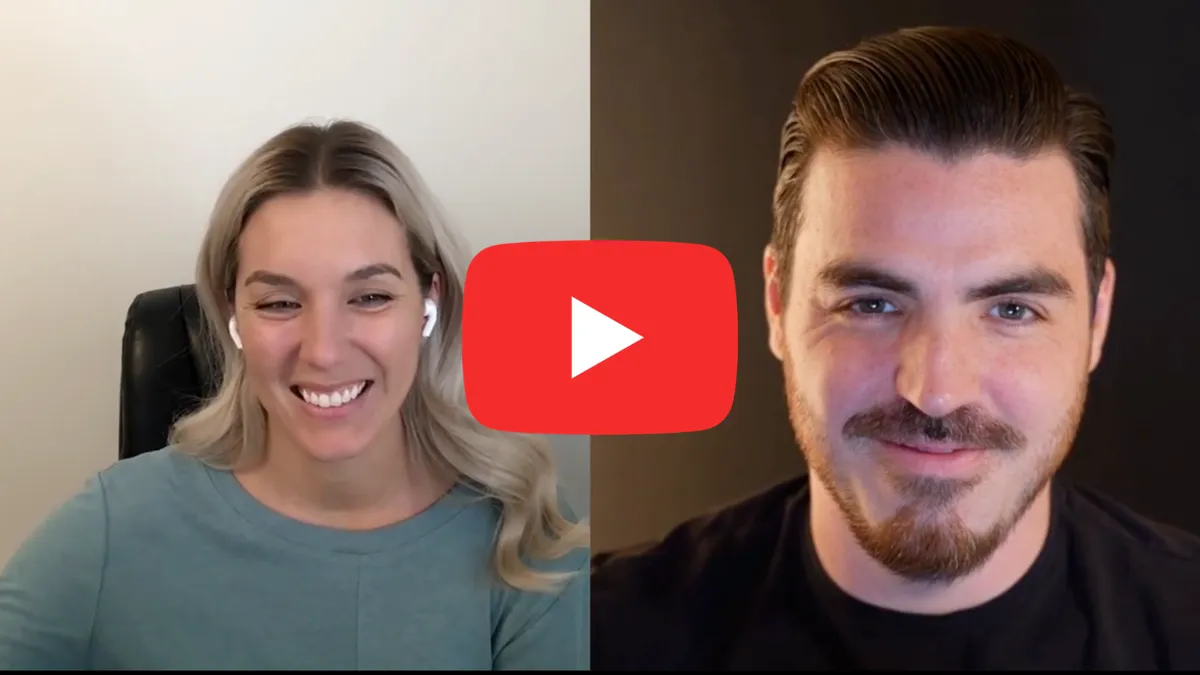
"We've booked more weddings in three months than I have all year."
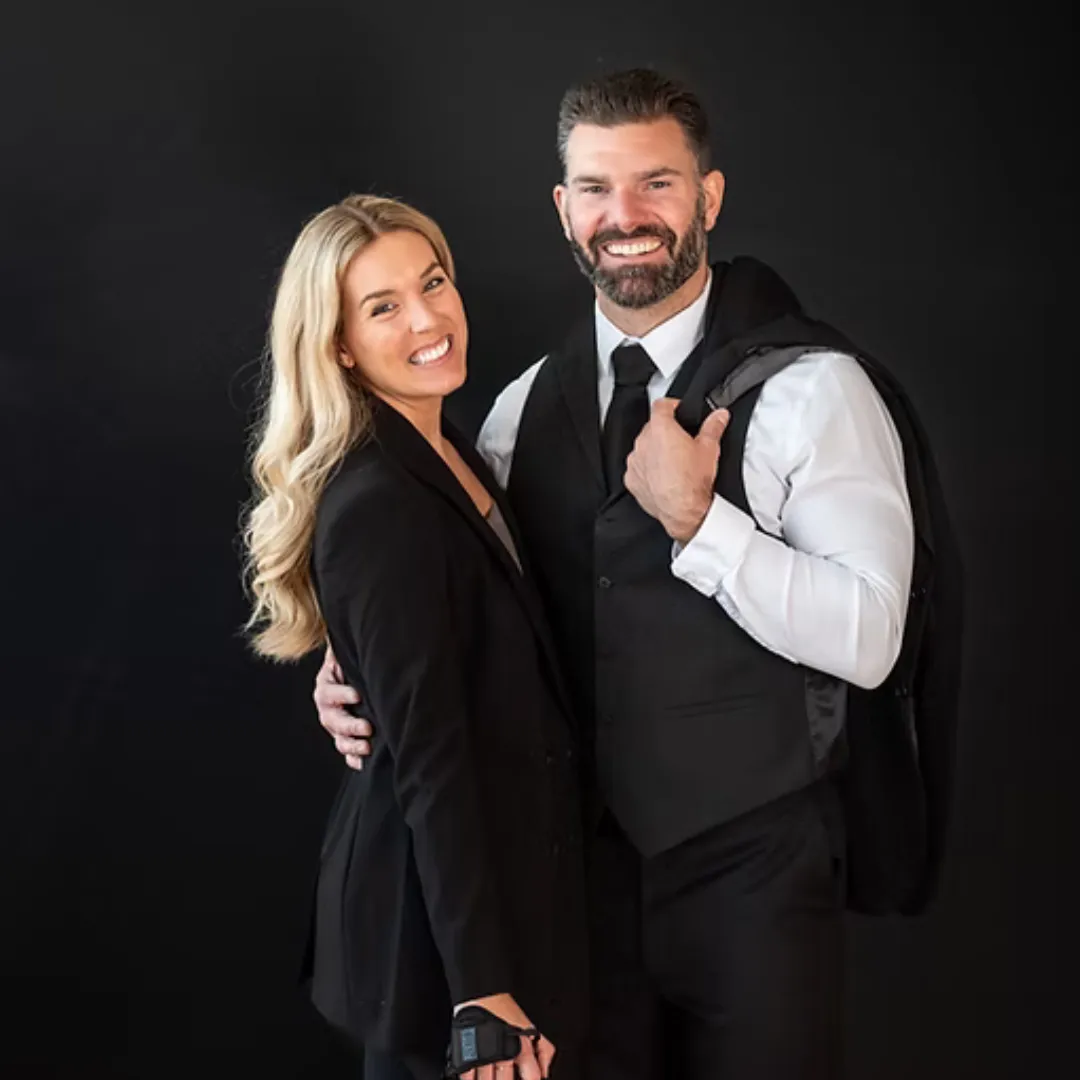
Katrina Kubicina
The Kubicinas
"Booked 12 Weddings in 3 Months After Years of Nothing"
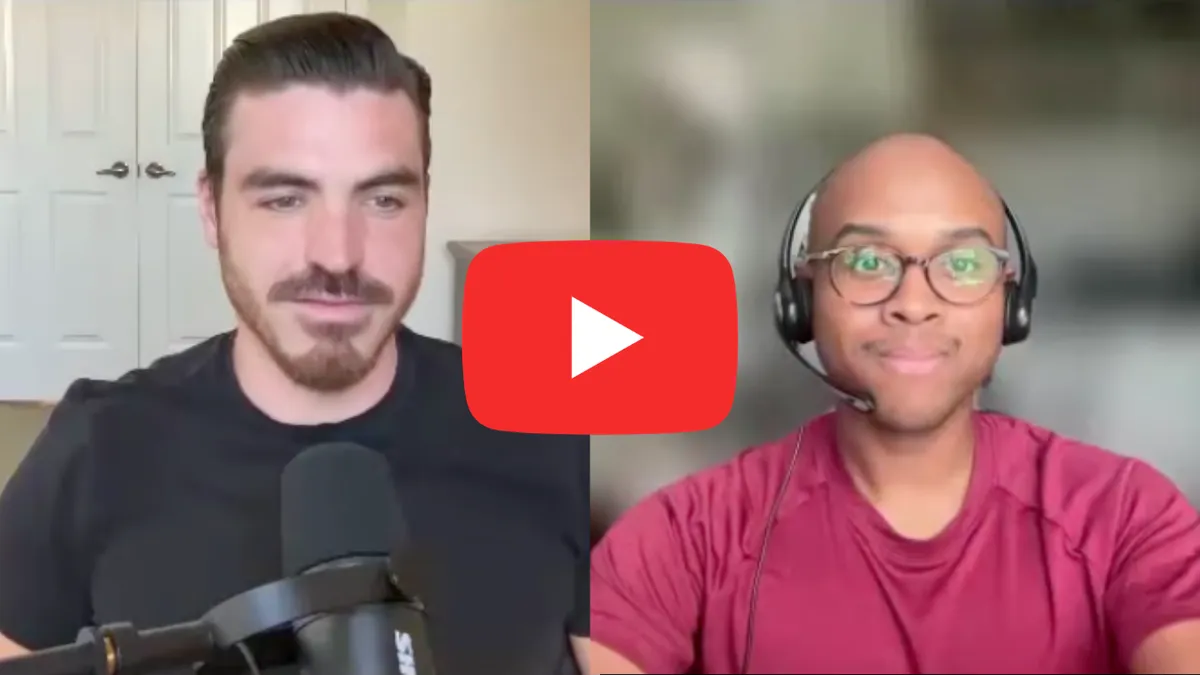
“I did workshops, mentorships—nothing delivered leads. Then I booked 12 weddings in just a few months. This was the first system that finally worked.”
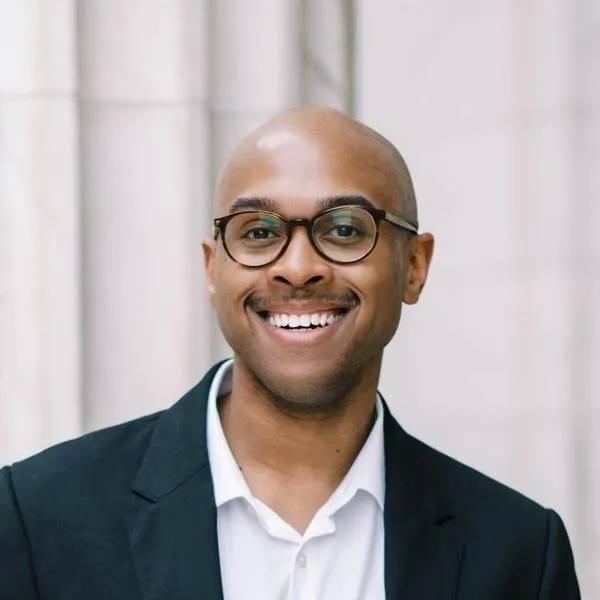
Jordan Gresham
JKG Photography
"$75K in 4 Months While Working As A Full-Time Mom With 3 Kids"
“I went from only 2 bookings for next year to being fully booked within a month—and finally have the stability I was missing for years.”
Danielle Don
Abbey Raine Photography
Trusted by 400+ more successful wedding photographers


Step Into the Future of Bookings
Join hundreds of wedding photographers using Icon to attract premium couples and fill their calendars with high-paying clients—months in advance.

© 2026 The Icon Agency
Ready to scale your wedding photography business?
Book a call with our team or start with the free training to see how we can help you fill your calendar with high-paying clients.