



How August Phlieger Built Velvet and Vows to $300K in Its First Year, and Now Runs It in 5–10 Hours a Week
August had moved to a new city, gone through two rebrands, and booked only two or three weddings in eight months. Then he started over. Here are the three stages he went through to build a $300K photo and video studio that runs without him, from zero to $100K, $100K to $200K, and $200K to $300K.
Interview by Peter Byram, Founder of The Icon Agency
Published Date: October 7, 2026

Interview by Peter Byram
Founder, The Icon Agency

Published:
October 7, 2026
Augie's Background: From Wedding DJ to Photo and Video (00:00)
Peter: Today I'm joined by our client success director, August Flieger. Augie has worked with us for a couple of years, and he also runs his own wedding studio, Velvet and Vows. We started working together when Velvet and Vows was just getting started, and we grew it to $300K in about 12 months. We're going to talk through the key projects, systems, and hires that made that possible. Augie, give us a quick intro.
Augie: You can call me August or Augie. I first picked up a camera in high school. I'm from a small town of about 150 people in Kansas, and my high school had about 45 students. We had a little news program, and our teacher didn't really know how to teach the camera side, so I had to figure it out myself. In college, I started as a wedding DJ and taught drum lessons on the side. That's how I got into the wedding industry. Around 2018, I switched to photo and video because I wanted to have a more lasting impact on my couples. Showing up for a few hours in the evening and leaving didn't feel fulfilling. I wanted to leave a mark on the world.
The Real Problem: Erasing His Brand in a New City (02:53)
Augie: I grew my business doing things the way I thought photographers and videographers were supposed to. Then I decided the next level was to drop everything, move to a new city, and run the wedding side of a friend's business. That didn't transition well. In a small Kansas town, people know your name, but in a new city, I didn't have the tools or the knowledge to grow. After about eight months, we'd gotten maybe two or three bookings. Things were really quiet.
Around then, I got in touch with you, and I decided to start my own business up again. Within the first week of signing up with you, we had about $12K in bookings. About 12 months later, we rebranded the right way, from AP Film Co to Velvet and Vows, and in our first year, we hit $300K in cash.
Peter: And somewhere in there, you joined our team as head of client success and helped a ton of other studios grow, while running Velvet and Vows. The business was so dialed in that you were only spending five to 10 hours a week on it.
Zero to $100K: Client Acquisition and Sales (05:51)
Peter: Let's go through the biggest lessons at each stage. How did you get to six figures?
Augie: By rebranding with my friends for eight months, I'd basically erased myself from the wedding industry. My business name and social media had completely changed. Working with you helped, because we had a solid plan to build a machine that brought leads in immediately. I had people to talk to right away. I leaned on your mentorship, learned the system, and focused on selling from passion, not greed. Once I got consistent and comfortable with the sales process, the road to $100K became real.
For those first couple of weeks, my full-time job was eight hours a day of texting, calling, and posting on Instagram to get my name back out there. I had a following, but I'd just switched my name again, so I had to connect the brand with my face while going after leads from ads and organic sources like Facebook groups.
Peter: So the first problem to solve on the way to six figures is client acquisition: getting leads consistently from paid and organic, and getting people on the phone.
Selling from Passion, Not Greed (10:23)
Peter: Whenever I watch one of your call recordings, it doesn't feel like sales at all. You build so much rapport, your close rate is probably 50% to 70%, and these aren't small packages. People also pay in full a lot. Can you speak to that?
Augie: It starts with why we do sales in the wedding industry. It's easy to think sales is sleazy, maybe from experiences with door-to-door solar salespeople. But we have a unique opportunity to touch lives. What fills me with passion is telling stories and being around people every weekend. So I look at sales less as "This is money for my company" and more as "This is what gives me joy." That's when it flipped for me, from needing to say exact words and hoping they'd book, to focusing on their story, hearing their desires, and selling to that. If I focus on that process, the bookings follow.
Peter: Sales is relationships. Ironically, the most transactional salespeople are usually the least experienced. A skilled salesperson doesn't feel like a salesperson. It just feels like connection.
Augie: I also see a lot of people in the industry who are egotistically attached to their price point. It's good to know your worth, but it's not good to value couples less because of their budget. Last year, I gave a couple a massive discount for a wedding in Oregon, so we basically only covered travel and my second shooter. It wasn't the best business move in terms of profit, but the story and the connection were just as good as a $10,000 wedding. Keeping that mindset, whatever budget couples come in with, helps me approach every sales call with a genuine heart.
Peter: The people who don't judge couples from the start often end up booking the bigger, more expensive weddings. That ego, like "I won't even talk to someone unless they have this budget," affects how you talk to everyone, whether you realize it or not.
Why Being Out of State Isn't an Objection (13:35)
Peter: Once you hit $10K a month, what had to change to get from $100K to $200K?
Augie: Building a team so I could hand off tasks and focus on growing the business, and documenting my systems and processes and working them consistently every day. My first hire was Pilar, a VA from the Philippines who's been with me for about two and a half years. She handles a lot of the nurturing: initial conversations with couples, getting their information, and learning about their day. I also had a social media manager doing our posting. Later, we brought on Angel as our systems manager. She focuses on optimization and finding the most efficient way to do things, so we work out kinks before they become kinks.
Peter: For anyone not at $100K yet, the first dragon to slay is being able to take people from cold to sold. Once you're there, you can't do everything, because you have all these clients to communicate with, plus shooting and editing. If you want to go from $100K to $200K, your business has to look different. That first assistant, messaging leads so you can just jump on the calls, is what I see work for a lot of people.
How to Train and Trust Your First Hire (20:08)
Augie: Pilar couldn't just take a script and start messaging leads overnight. We have a set flow for texting leads, but I had to learn to manage and train her so she'd pick up my voice, my mindset, and our company culture. A lot of people get hung up when their VA says something they wouldn't say. I reviewed her conversations and told her what I'd do differently, or "Hey, this was awesome." Sometimes I'd say, "I'm going to take over this conversation. Watch how I respond." Now, two years in, I fully trust her with conversations. I still keep an eye on things, but if I didn't touch my phone for a week, the business would still run normally.
Peter: The two common pitfalls are being afraid to hire at all because no one will do it as well as you, and thinking a new hire will magically fix your business. Can you speak to both?
Augie: I've been there. As creatives, we hold our product close to our hearts and grew up doing everything ourselves. But shift your perspective. Imagine what someone could do for the business if they could spend 10 times more time each week messaging leads than you can. Do you want to spend eight hours a day on your phone texting people? Before you hire, understand what it takes: daily meetings for the first month or two, reviewing conversations, and having examples of your best conversations ready for them to model. I can't do 10 things to the best of my ability. I can do one or two things really well, like sales calls and shooting a few weddings, and offload everything else to people who'll do it better.
When I hired, I was referred three or four people and did formal Zoom interviews. Do I enjoy working with them? What experience and value do they bring? Why should I trust them with my business? Pilar was eager, had a high standard of excellence, was teachable, and showed up to every meeting on time. She was there for my wedding and when we had our baby a couple of months ago. She feels like family now.
Peter: It's actually ego that makes us think we're the secret sauce. The first time I hired someone good, I thought, "Oh, this is how the pyramids were built." Good talent follows instructions. Great talent follows them and then innovates, seeing problems coming and fixing them. And developing as a leader is a skill. It's what most people who want to scale beyond six figures really need to work on.
Augie: And this wasn't an overnight thing. I've learned many lessons, and I'm still learning. I never want to think I know everything and have made it.
$200K to $300K: Building a Team Instead of Chasing Luxury (31:17)
Augie: I had to choose between perfecting my craft and chasing super-high-end destination weddings, or building our brand and expanding our team. I chose the team. I don't personally want to travel the world. I'd rather do less work and make more money, and given the general budget levels here in Kansas, the team made more sense than trying to get in with high-end planners. The biggest lesson was learning to sell weddings when I'm not the one at the wedding, while still maintaining trust. We have a separate tier of team packages. I made sure our team members shared our culture and mindset and inspired me. I'd genuinely trust them with my own wedding, and I actually hired them to shoot it.
Peter: Not enough creatives think about the realities of their market. They say, "I want to charge 10 grand," but they live in a rural area and haven't built a name yet. That's why it's called marketing: you look at the market first. In tech, it's called product-market fit.
Augie: If you master your craft for your market, the higher-end weddings come as a byproduct. We focused on shooting a really solid barn wedding film, and high-end planners started noticing our work. One couple booked a lower-end package, and a high-end luxury planner happened to be working that wedding. Focusing on your market and perfecting your craft elevates your brand without a ton of extra work. When people want to start with high prices, I ask, "Why? And what are you basing that on?"
Peter: There are lots of ways to make money besides charging $10K out of the gate: product sales on the back end, upsells, or an associate team.
How to Sell Your First Associate Wedding (37:33)
Peter: A lot of people struggle with selling associate packages. If someone just wants to sell their first associate wedding, what do they need to do?
Augie: First, expect objections and prepare for the obvious ones: "Who will be at my wedding? How much experience do they have? How do I know they'll be as good as you?" Second, transfer the trust couples have in you and your brand to your shooter. Now, couples come to us because of work our team has done and weddings they've seen our team at. They see Velvet and Vows less as the Augie show and more as a team of awesome creators who give a great experience and a great final product. That comes from how we present ourselves on social media and in our videos. Our website is built around the team, and that's why we rebranded from AP Film Co, my initials, to Velvet and Vows.
Peter: People want a magical script, but it's really about you being sold on your associate. If you're sold, couples will be too. Post their work, get excited about it, and maybe have them take photos of you. Then on a call, you'll naturally say, "Lisa's going to shoot your wedding, and she's amazing." It stops feeling like a sneaky move and starts feeling like you're doing what's best for the client. And if you have a second shooter you're thinking of promoting, shoot your next wedding with them as the lead while you're the second. It bridges the gap, and you're there to catch anything they miss.
Augie: That's a fantastic idea. A lot of people are afraid to let go of creative control, but ultimately couples just want their wedding day captured. Also, make the offer almost too good to be true. I wasn't massively discounting, but we incentivized couples to book our team. I priced team packages $1,000 less than my own, partly because I wanted to shoot fewer weddings after doing 30 to 40 a year, and we removed a few things from those packages so it still made sense for us. The $1,000 softens the blow: "I won't be there, but the editing and everything else is exactly the same." And I avoid the word "associate." I just say "team." Our website says "the VMV team."
Peter: When you're testing a new package, start with the lowest price at which people would feel stupid saying no, but not so low that you'd get resentful. Hit that sweet spot, and your conviction on the call comes through. The first sale is always the hardest.
$300K
in cash collected in Velvet and Vows' first year
$12K
booked in his first week working with The Icon Agency
5-10
hours a week August now spends running the studio
2.5 years
with Pilar, the VA who handles his leads
August Phlieger grew up in a Kansas town of about 150 people and first picked up a camera for his high school's news program. He started in the wedding industry as a DJ in college, then switched to photo and video in 2018 because he wanted to give couples something lasting.
His business grew mostly through word of mouth, since in a small town people know your name. Then he moved to a new city to run the wedding side of a friend's business. The business had a new brand, and he had no network and no system for finding clients. Over about eight months, he booked only two or three weddings.
Ready to grow past what you can shoot yourself?
We run the ads and help you build the sales system and team August used to grow Velvet and Vows to $300K in its first year.
He reached out to Peter, went back to his own brand, and booked about $12,000 in his first week. About a year later, he rebranded as Velvet and Vows, a name built around the team rather than just him. In its first year, the studio brought in $300,000 in cash. August later joined The Icon Agency as Client Success Director, and today he spends only 5 to 10 hours a week on Velvet and Vows.
In this story
Stage 1: Zero to $100K
Selling from passion, not pressure
Stage 2: $100K to $200K, building a team
Two common hiring mistakes
Stage 3: $200K to $300K, selling the team
Augie's advice for other photographers
Key Takeaways
Frequently Asked Questions
Stage 1, from zero to $100K
August's first problem was simple: after rebranding twice, almost nobody knew who he was.

"I kind of erased myself from the wedding industry. I needed to figure out a way to connect that brand with my face again." — August Phlieger, Velvet and Vows
So he worked on bringing in clients from every direction: paid ads, his own Instagram posts, Facebook groups, and conversations with every lead who came in.
"Those first couple of weeks, my full-time job was eight hours a day texting, calling, putting in the work." — August Phlieger
Peter says that's what this stage comes down to. You need a reliable way to turn strangers on the internet into paying clients.
Selling from passion, not pressure
August's close rate is high. Peter estimates 50% to 70%. He regularly books $10,000 packages, and many couples pay in full. Even so, he says his calls never feel like a sales pitch.
"I just want to focus on their story, hear what their desires are, and sell to that. If I focus on that process, the bookings come from it." — August Phlieger
He also warns against tying your ego to your price. He once took an out-of-state wedding at a deep discount that barely covered travel and his second shooter. The story and the friendship that came out of it mattered just as much to him as a $10,000 booking.
"It's good to know your worth. But it's not good to value couples less because of the number they're stuck at." — August Phlieger
Peter has noticed that photographers who don't judge couples by their budget usually end up booking the bigger weddings anyway.
Stage 2, from $100K to $200K, building a team
At around $10,000 a month, August couldn't do everything himself anymore. The next stage required consistency and a team.
Pilar, a VA based in the Philippines, has been with him for about two and a half years. She handles first conversations and follow-up with new leads.
A social media manager took over posting.
Angel, his systems manager, looks for ways to make the business run better and fixes problems before they grow.
He also wrote down his processes, so everyone knew how things were done.
Hiring Pilar took more than just bringing her on. August met with her every day for the first month or two, gave her examples of conversations that had gone well, reviewed her messages, and sometimes took over a conversation so she could see how he would handle it.
"Now, over two years in, I fully trust her to take on a conversation. If I was gone for a whole week and never touched my phone, the business would still run as normal." — August Phlieger
Two common hiring mistakes
August sees studio owners make two mistakes when they bring on their first assistant.
1. Refusing to let go. "They won't do it as well as me" is a common fear. August suggests a different way to look at it: imagine someone who can put 10 times more hours into messaging leads than you can.
2. Expecting a new hire to fix everything. A new assistant needs training. Plan to meet with them every day at first, review their work, and give them strong examples to follow.
When he hired Pilar, he interviewed three or four referred candidates on Zoom. He looked for someone he'd enjoy working with, who was eager and teachable, held a high standard, and showed up on time.
"I can't do 10 things to the best of my ability. I can do one or two things really well. So I focus on sales calls and maybe shooting a couple of weddings, and I hand off everything else, because they'll do it way better." — August Phlieger
The best hires don't just follow instructions. They improve the system. Pilar spots gaps before they turn into problems, and she was part of both his wedding and the birth of his baby.
Ready to build a studio that runs without you?
After a move and two rebrands, August had booked two or three weddings in eight months. He started over and booked $12,000 in his first week. He then grew Velvet and Vows to $300,000 in its first year and built a team that runs it while he works 5 to 10 hours a week. If you're ready for the next stage, let's look at where your studio is now and whether the program is the right fit.
Stage 3, from $200K to $300K, selling the team
At $200K, August had a choice. He could chase luxury destination weddings, or he could grow the team. He chose the team. It suited his life better and fit the Kansas market. He had been shooting 30 to 40 weddings a year, and he wanted to shoot fewer.
The hardest part was selling weddings he wouldn't be at himself. Here's how he does it:
Expect objections. Couples will ask who will be at their wedding and how experienced that person is. Have your answers ready.
Pass your credibility on to the team. His rebrand, website, social media and videos all present Velvet and Vows as a team of creators instead of "the Augie show." Now many couples book after seeing the team's work at weddings.
Hire people you'd trust with your own wedding. August did. His team shot his wedding.
Price the team package attractively. Team packages started about $1,000 below his own, with a few extras removed. Editing and the overall experience stay the same.
Say "team," not "associate." His website lists "the VMV team."
Peter adds one more tip. To build trust in a new associate, let them lead a wedding while you second-shoot, so you're there if anything comes up.
August also found that focusing on his local market brought in high-end work on its own. A luxury planner who was working a lower-budget wedding the team shot noticed their work.
"Focusing on where you're at in the market and really perfecting your craft there will elevate your brand without a ton of extra work." — August Phlieger
August's advice for growing studios
Zero to $100K: Focus on bringing in clients. Get leads every way you can, and get on the phone.
$100K to $200K: Write down your processes and hire your first assistant. Then train them well. Don't expect them to fix everything on their own.
$200K to $300K: Build a team you believe in, and sell the team, not yourself.
At every stage: Stay humble and keep learning. "I don't ever want to get into the mindset that I know everything I need to know and I've made it."
Key Takeaways
Each revenue stage has a different main problem: first getting clients, then getting help, then selling the team.
Selling from passion and real interest in the couple leads to high close rates and large packages.
A VA who is well trained over time can handle your leads as well as you do.
Brand your studio as a team, so couples trust the team as much as they trust you.
A team package that's easy to say yes to makes your first team booking easier.
Frequently Asked Questions:
How do I grow a wedding studio from $100K to $200K?
For August, it took a team and written processes. His first hire was a VA who handles leads, followed by a social media manager and a systems manager.
How do I train a VA to message wedding leads?
Meet with them every day at first, share examples of conversations that went well, review their messages, and show them how you'd handle a conversation yourself.
How do I sell an associate photographer to couples?
Expect objections, build your brand around the team, and price the team package attractively. August also says "team" instead of "associate."
Should I discount associate wedding packages?
August started his team packages about $1,000 below his own, with a few extras removed, so the team was an easy choice for couples.
Should I chase luxury weddings or build a team?
It depends on your market and your goals. August chose to build a team in Kansas, and high-end work still found the studio.
How much time does it take to run a $300K wedding studio?
With his team in place, August spends about 5 to 10 hours a week on Velvet and Vows.
More Client Stories

Built a $150K Wedding Business With 40 Bookings
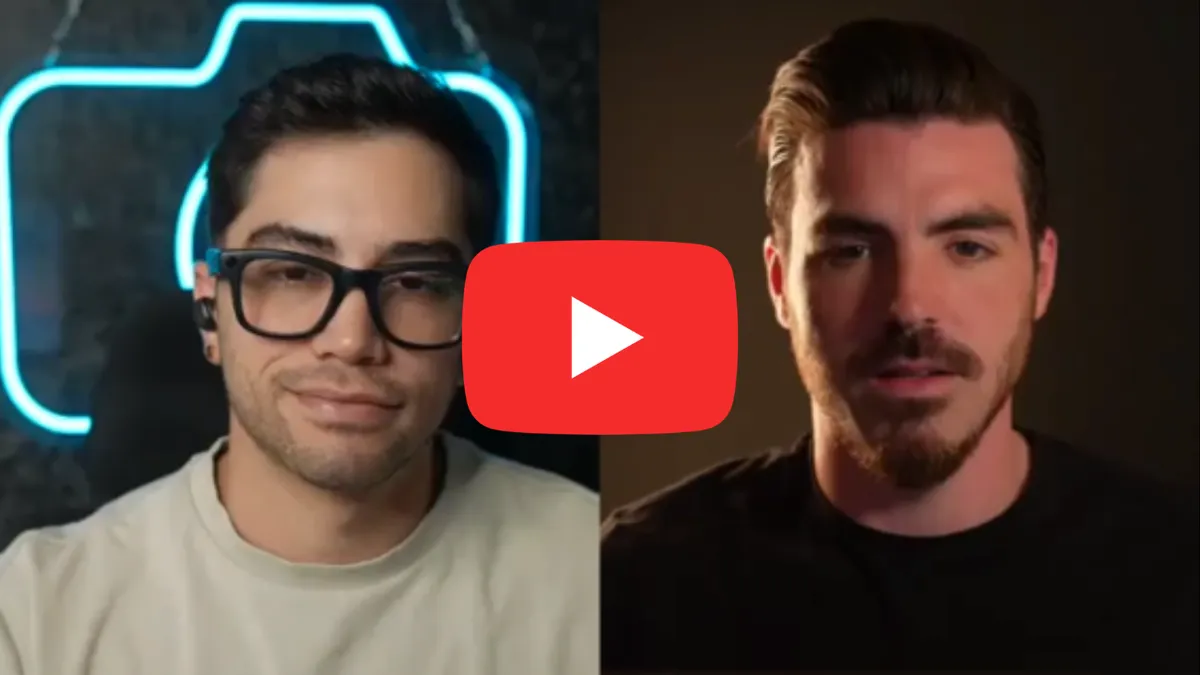
“I started from scratch in 2018. Now I’ve got 40 weddings booked, a team of 10, and we’re pulling in $150K+ a year consistently—even through the chaos.”

Julian McFadden
JM Weddings
"From full-time teacher to $500k/year in 1.5 years"
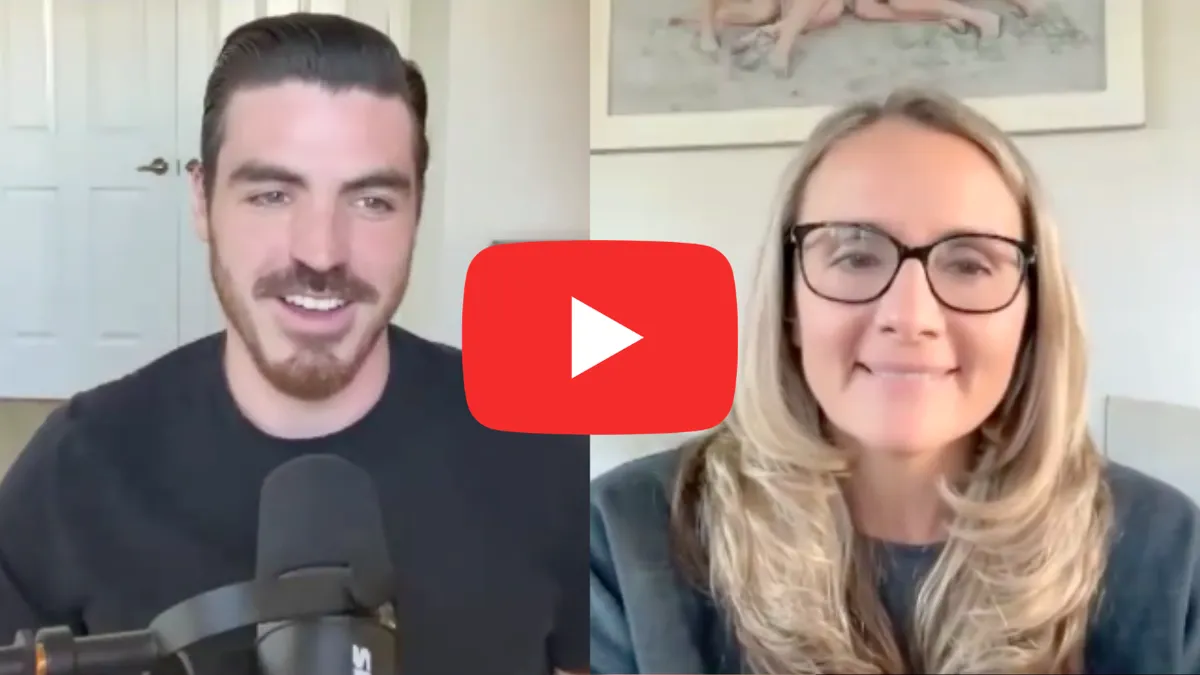
“I went from struggling to fill my calendar… to being fully booked for 2025, making over $500K in wedding revenue—with systems that keep growing.”
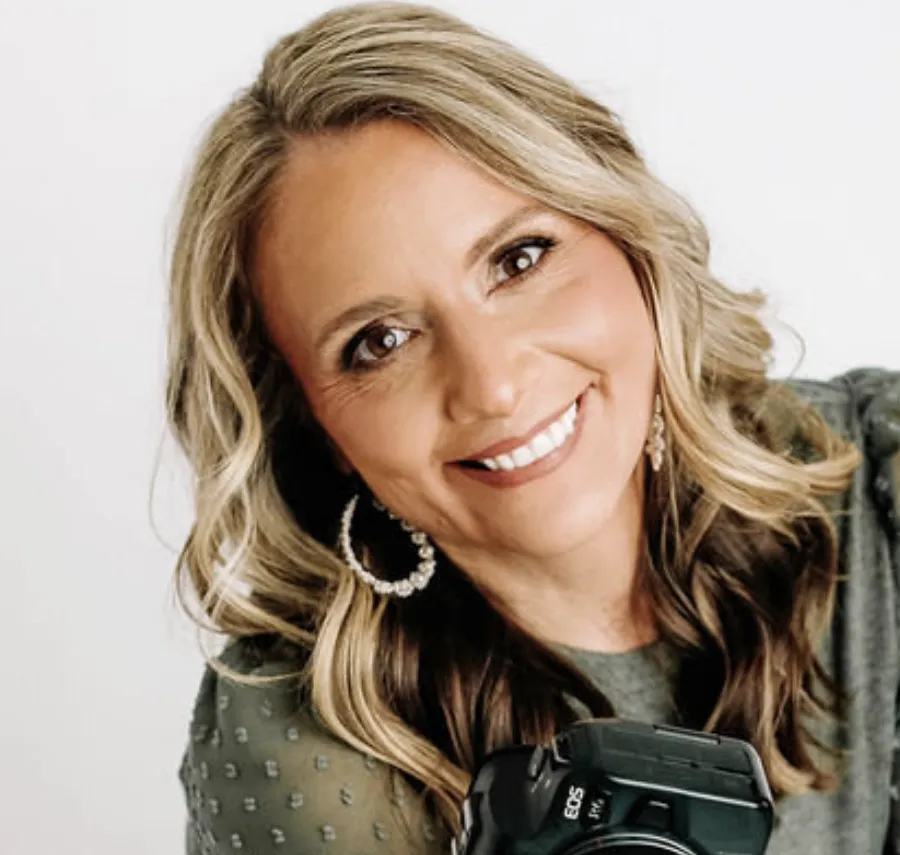
Sara Haines
Sara Haines Photography
"Booked 12 Weddings in 3 Months After Years of Nothing"
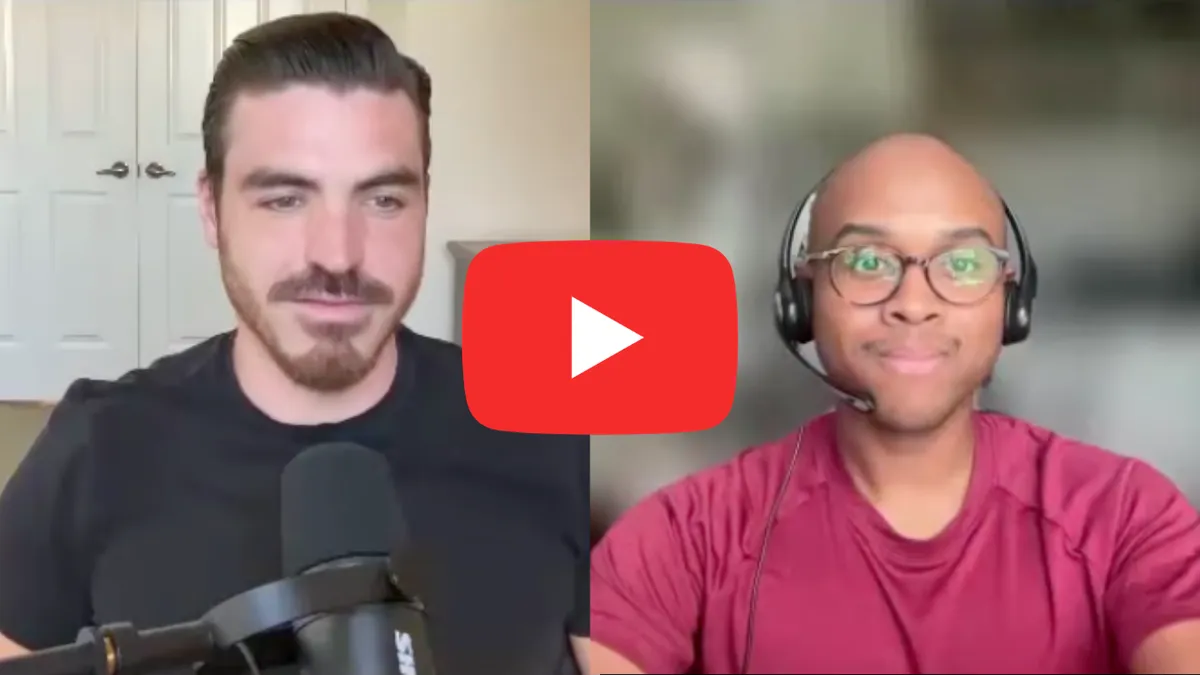
“I did workshops, mentorships—nothing delivered leads. Then I booked 12 weddings in just a few months. This was the first system that finally worked.”
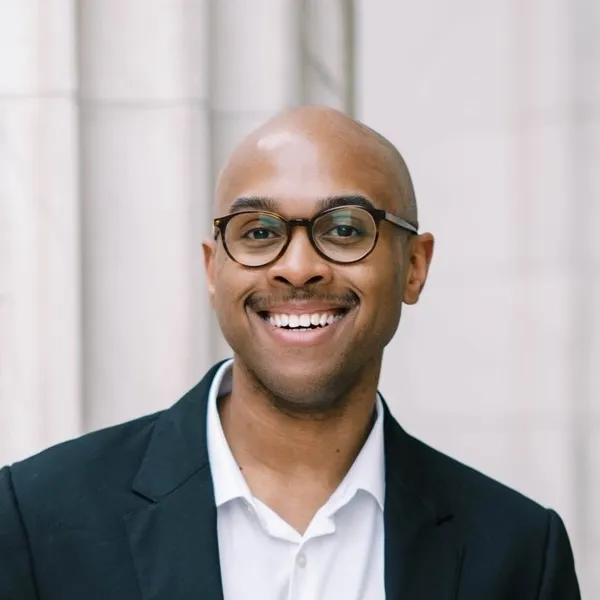
Jordan Gresham
JKG Photography
Trusted by 400+ more successful wedding photographers


Step Into the Future of Bookings
Join hundreds of wedding photographers using Icon to attract premium couples and fill their calendars with high-paying clients—months in advance.

© 2026 The Icon Agency
Ready to scale your wedding photography business?
Book a call with our team or start with the free training to see how we can help you fill your calendar with high-paying clients.